Phnom Penh: The Heartbeat of a Rising Kingdom
Cet article n’est pas encore disponible en français. Vous lisez la version originale en anglais.
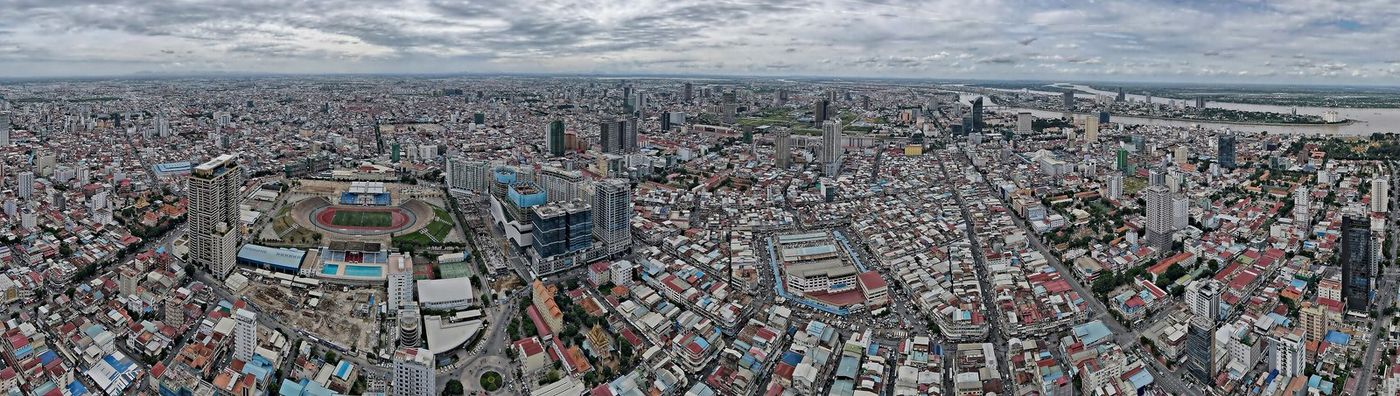
Phnom Penh, Cambodia’s vibrant capital, is more than just a city—it is a living chronicle of resilience, culture, and transformation. Once known as the “Pearl of Asia,” Phnom Penh’s story is one of reemergence—a city that has rebuilt itself from centuries of change and adversity to become a modern capital with global aspirations.
From Sacred Beginnings to Urban Strength
The city’s origins are rooted in legend. In 1372, a noblewoman named Lady Penh discovered sacred Buddha statues in a koki tree floating along the Tonlé Sap River. In reverence, she erected a shrine atop a small hill—Wat Phnom—giving rise to the name Phnom Penh, meaning “Penh’s Hill.” This quiet spiritual beginning laid the foundation for what would become Cambodia’s dynamic political and cultural epicenter.
Today, Wat Phnom remains a treasured symbol of the city, linking the spiritual heritage of the Khmer people with their determination to rise—again and again.
The Capital That Never Gave Up
Phnom Penh first became the royal capital in the 15th century under King Ponhea Yat. Though it experienced periods of abandonment due to internal conflict and foreign pressures, the city never faded from Cambodia’s identity. It was re-established as the capital in 1865 during the reign of King Norodom I, marking the start of modern Phnom Penh.
Under French colonial influence, the city blossomed with architectural grandeur—tree-lined boulevards, French villas, and Art Deco buildings gave it a unique blend of East and West. By the 1920s, it had earned its elegant nickname: “The Pearl of Asia.”
But Phnom Penh’s glow would be dimmed during the darkest years of Cambodian history. The Khmer Rouge’s brutal regime in the 1970s turned the city into a ghost town, emptied by force and filled with suffering. Yet, Phnom Penh refused to be silenced.
With the fall of the regime in 1979, people returned. Life returned. Hope returned.
A Renaissance in Motion
Fast forward to the 21st century, and Phnom Penh is a city reborn.
It now houses over 2.3 million people—nearly 14% of Cambodia’s total population—and is the country’s undisputed hub for government, business, education, and culture. From its elegant Royal Palace to the bustling streets of Boeng Keng Kang and the economic corridors of Sen Sok, the capital pulses with progress.
Urban development has skyrocketed. Iconic skyscrapers like Vattanac Capital Tower and bold projects like Camko City and Grand Phnom Penh International City now define the skyline. International shopping malls, high-rise residences, and satellite cities reflect Cambodia’s economic ambition.
Phnom Penh is no longer catching up—it is setting the pace.
Culture, Festivals, and the Spirit of Celebration
The soul of Phnom Penh thrives in its culture. Khmer traditions are not only preserved—they are proudly celebrated.
The city comes alive during Cambodian New Year, when water fights and joyful parades fill the streets. The annual Water Festival draws crowds from across the country, honoring the reversal of the Tonlé Sap River with boat races and fireworks. At Pchum Ben, families gather in pagodas to honor their ancestors, reinforcing Cambodia’s spiritual depth.
Phnom Penh is also Cambodia’s cultural capital. The National Museum preserves ancient Angkorian artifacts while the Royal University of Fine Arts nurtures new generations of dancers, musicians, and visual artists. Contemporary creativity is booming, with indie music, fashion, and design finding their voice in the city’s vibrant neighborhoods.
Education and Talent for the Future
Phnom Penh is home to Cambodia’s leading educational institutions—Royal University of Phnom Penh, Institute of Technology of Cambodia, and more—fostering a new generation of leaders, engineers, thinkers, and entrepreneurs.
International schools, universities, and technical institutes are preparing students not only for national development but for global competitiveness. With a youthful population and an expanding middle class, Phnom Penh is quickly becoming a talent magnet in Southeast Asia.
A City of Opportunity
With a strategic location at the confluence of the Tonlé Sap, Mekong, and Bassac Rivers, Phnom Penh is an ideal logistics and economic hub. Its rivers are not only historical lifelines—they are also conduits for commerce, trade, and tourism.
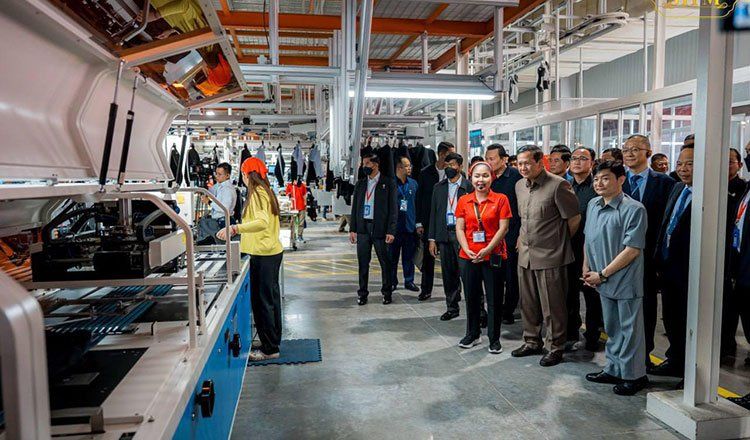
Today, Phnom Penh is one of the most exciting investment destinations in Southeast Asia. The government has laid the groundwork with pro-business reforms, infrastructure projects, and technology adoption. Whether it’s garment manufacturing, fintech, real estate, or digital startups, Phnom Penh is the place where vision meets execution.
International investors and developers are seeing Phnom Penh not as a frontier, but as a foundation.
The Architecture of Identity
Phnom Penh’s architecture tells a story of identity and reinvention. From the spiritual elegance of Wat Phnom to the colonial charm of Hotel Le Royal, and the revolutionary spirit of New Khmer Architecture, every structure reflects a chapter in Cambodia’s journey.
Vann Molyvann’s modernist vision gave Phnom Penh unique landmarks, now in need of preservation amid development pressures. Yet, this tension is also an opportunity—to blend heritage with innovation, and to build a future rooted in pride.
A Capital That Inspires
Phnom Penh’s resilience is a lesson for the world. It has witnessed war, genocide, displacement, and yet—through the strength of its people—it continues to stand tall, proud, and full of promise.
It is a city that doesn’t forget, but also refuses to be defined by tragedy. It remembers its past, honors its traditions, and looks boldly toward the future.
Phnom Penh is not just Cambodia’s capital. It is Cambodia’s spirit.
And today, that spirit is unstoppable.