Why Global Brands Are Sourcing Footwear from Cambodia?
Cet article n’est pas encore disponible en français. Vous lisez la version originale en anglais.
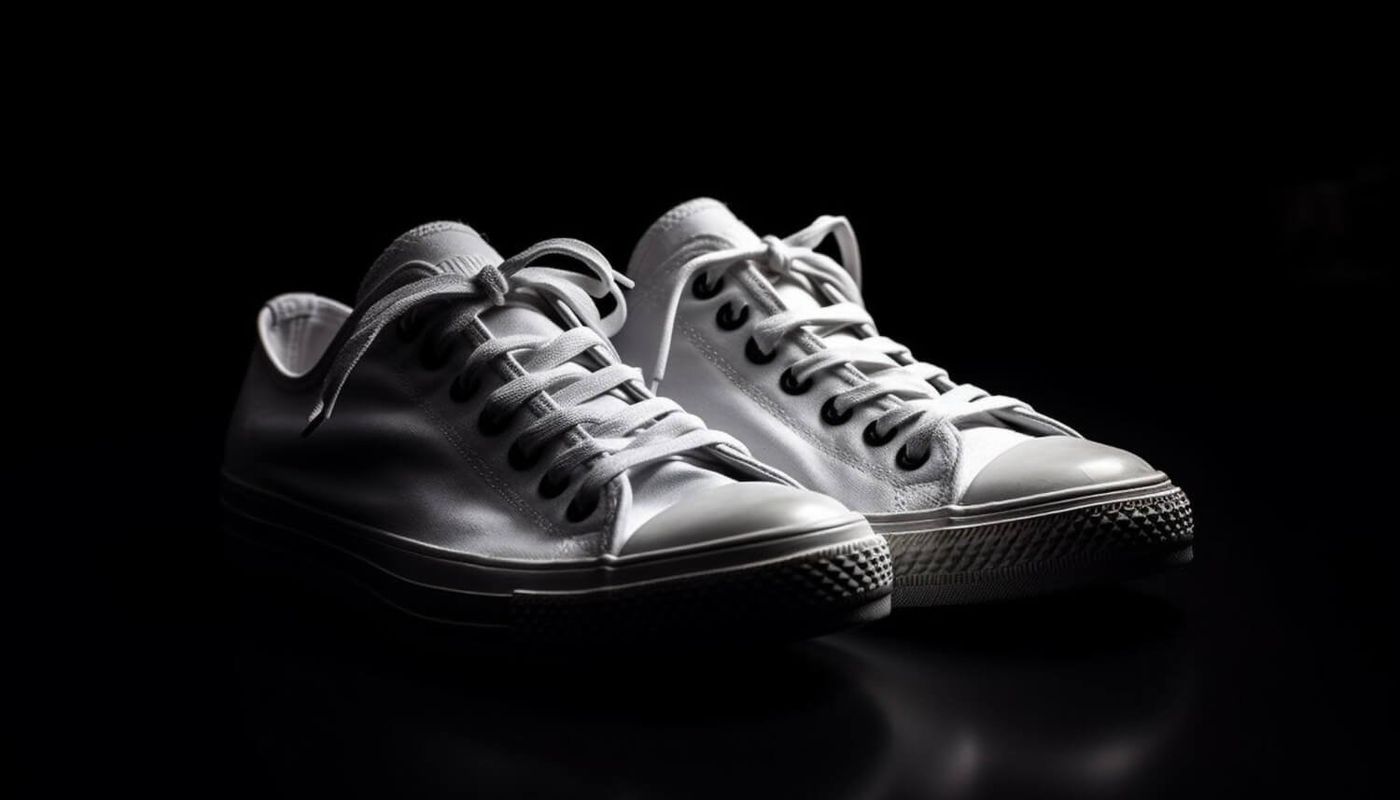
Over the past decade, Cambodia has emerged as a key player in the global footwear manufacturing industry. What was once a largely agrarian economy has transformed into a strategic manufacturing hub, especially for garments and footwear. Today, global giants such as Adidas, Puma, New Balance, Clarks, Skechers, and Asics source significant volumes of footwear from Cambodia. But what makes Cambodia such an attractive destination for international brands?
This article explores the factors behind Cambodia’s rise in the global footwear supply chain, examines key brands and their operations, and evaluates the long-term prospects for the industry.
Cambodia’s Growing Share in the Global Footwear Market
Cambodia is now one of the top ten footwear exporters globally. According to data from the General Department of Customs and Excise of Cambodia (GDCE), the country exported over $1.7 billion worth of footwear in 2023, accounting for nearly 10% of its total exports. Footwear exports have been growing at an average annual rate of 8–10%, even during global economic slowdowns.
Key export markets include:
- United States (accounting for over 30% of Cambodian footwear exports)
- European Union, benefiting from GSP (Generalized System of Preferences) and Everything But Arms (EBA) trade schemes
- Japan, South Korea, and Canada
This sustained growth is the result of a confluence of factors—trade preferences, competitive labor, supportive policies, and strategic investments from major global brands.
Also read, Footwear Exports Surge 40% in Early 2025, Driven by U.S. Demand and Industry Momentum
Major Global Footwear Brands Operating in Cambodia
Cambodia’s footwear sector is heavily export-oriented and primarily driven by foreign-owned contract manufacturers who supply to global brands under long-term agreements. As of 2024, over 150 export-oriented footwear factories operate in Cambodia, according to the Ministry of Labour and Vocational Training (MLVT) and the General Department of Customs and Excise (GDCE).
These brands operate indirectly via suppliers, primarily through Taiwanese, Chinese, and South Korean-owned manufacturing firms. Key players include Pou Chen Corp, Tycoon (Cambodia) Co., Ltd., Grand Twins International, and Cambo Handsome, which run multiple large-scale factories across Phnom Penh, Kampong Speu, Kandal, and Svay Rieng provinces.
Adidas
Adidas sources over 20% of its total Southeast Asian footwear production from Cambodia. The company works with leading Taiwanese contract manufacturer Pou Chen Corporation, whose Cambodian subsidiary Cambo Handsome Industrial Co., Ltd., based in Kampong Speu, produces millions of pairs annually.
- Adidas had 12 active factories in Cambodia in 2023, including those producing both footwear and apparel.
- According to Adidas’ supplier list, factories in Cambodia meet Tier 1 compliance, meaning they handle final production stages with strict quality and labor standards.
- In 2022, Adidas produced more than 28 million pairs of shoes in Cambodia, contributing to its shift away from Chinese production.
Puma
Puma maintains contracts with at least 10 factories in Cambodia, including Sheico (Cambodia) Co., Ltd., which specializes in sports footwear and neoprene products. Most factories are located in Kandal, Svay Rieng, and Phnom Penh SEZs.
- Puma’s official 2023 Sustainability Report noted Cambodia as a “key sourcing country for footwear with improved compliance and performance ratings.”
- In 2021 alone, Puma sourced over $180 million worth of products from Cambodia, mainly footwear and activewear.
Clarks
British footwear brand Clarks uses outsourced facilities in Cambodia to produce leather and synthetic casual shoes. Their manufacturing partner Wing Star Shoes Co., Ltd., based in Phnom Penh Special Economic Zone (PPSEZ), produces tens of thousands of pairs monthly.
- Clarks began relocating production from Vietnam and China to Cambodia starting in 2019 to optimize costs.
- Cambodian-made Clarks shoes are distributed across Europe, North America, and the Middle East, with exports benefiting from tariff exemptions under EBA and GSP.
New Balance
New Balance sources performance footwear from specialized factories such as Hwa Fong Rubber (Cambodia) and Best Way Industrial Co., Ltd. These suppliers focus on rubber outsoles, athletic performance cushioning, and lightweight designs.
- In 2023, New Balance’s global sourcing report listed Cambodia as “critical for scaling our Asia-based production strategy.”
- Factories in Cambodia supply popular lines such as Fresh Foam and FuelCell, designed for high-performance athletes.
Skechers
Skechers utilizes contract factories in Cambodia, including Teng Fei Shoes and Victory International Footwear, for the production of lightweight, slip-on, and kids’ footwear.
- Production focus is on cost-effective models with mesh uppers, memory foam soles, and children’s lines.
- Cambodia supplies Skechers shoes primarily to U.S. and Canadian markets, leveraging duty-free trade access.
Asics
Asics has increased its sourcing from Cambodia as part of its regional diversification strategy.
- Huali Cambodia Footwear Co., Ltd. and Panpou Shoes Co., Ltd., located in Svay Rieng and Kampong Cham, are known suppliers for Asics.
- Asics prioritizes suppliers in Cambodia for their ability to meet technical quality requirements, including moisture control materials and lightweight EVA soles.
Decathlon (France)
Decathlon, the French sporting goods giant, has rapidly expanded its Cambodian sourcing since 2017. It operates through more than 15 suppliers producing a wide range of products including running shoes, sandals, and hiking boots.
- Cambodian factories supply brands like Kalenji, Quechua, and Newfeel.
- Decathlon’s supplier list ranks Cambodian factories in the top 5% globally in terms of social compliance and quality output.
Fila, Lotto, Geox, and Bata
- Fila has shifted portions of its production to Cambodia through Chinese-owned manufacturers like Golden Star Cambodia.
- Geox sources breathable casual shoes and insoles from compliant partners such as Cambodia Footwear Industrial Co., Ltd.
- Bata, which has a long history in Asia, outsources parts of its Southeast Asian supply to Cambodia to support its South Asian and African markets.
Supporting Data Snapshot
| Brand | No. of Factories | Type of Footwear | Primary Manufacturing Partners | Key Export Markets |
|---|---|---|---|---|
| Adidas | 12+ | Sports shoes, sneakers | Pou Chen, Cambo Handsome | EU, US, Japan |
| Puma | 10+ | Athletic footwear | Sheico, Wing Star, others | US, EU |
| Clarks | 3–5 | Casual leather shoes | Wing Star Shoes | UK, UAE, Canada |
| New Balance | 4–6 | Performance footwear | Hwa Fong Rubber, Best Way Industrial | US, Australia |
| Skechers | 6+ | Kids and casual shoes | Victory Footwear, Teng Fei | US, Canada |
| Asics | 3–4 | Sports & running shoes | Panpou Shoes, Huali Footwear | Japan, EU |
| Decathlon | 15+ | Multi-purpose footwear | Local SEZ partners | France, Germany |
Cambodia vs. Regional Competitors
Cambodia is part of the “China +1” strategy, wherein brands diversify production to avoid over-dependence on China. Among alternatives like Bangladesh, Indonesia, and Myanmar, Cambodia scores well in terms of:
| Factor | Cambodia | Vietnam | Bangladesh | Myanmar |
|---|---|---|---|---|
| Labor cost | Low | Medium | Very low | Low |
| Trade access | Strong | Strong | Strong | Weak |
| Compliance | Medium-High | High | Medium | Low |
| Political stability | High | High | Medium | Low |
| Infrastructure | Improving | Advanced | Moderate | Poor |
Vietnam is still ahead in terms of scale and infrastructure, but Cambodia’s simplified investment process, lower cost base, and open economy make it very attractive for mid-sized and large manufacturers.
Challenges to Watch
While the outlook is positive, there are a few concerns that brands and policymakers are monitoring:
- Dependence on imported raw materials, which can be disrupted by global supply chain issues
- Electricity costs, which are higher than Vietnam and Thailand
- Transport bottlenecks, especially road connectivity from the interior to ports
- Rising wages, though still competitive, are increasing yearly
- Labor unrest or strikes, though decreasing, remain a risk if dialogue breaks down
Addressing these challenges through infrastructure upgrades, better energy policy, and supply chain localization could further enhance Cambodia’s appeal.
The Road Ahead: Diversifying and Upgrading
To secure its place in the global value chain, Cambodia must move beyond low-value assembly into value-added activities such as:
- In-house design and prototyping
- Product development centers with trained technicians
- Investments in technical training institutes for shoe engineering
- Developing Cambodian brands for export markets
There is also potential for eco-friendly and vegan footwear, a niche that is growing globally. Brands sourcing from Cambodia are increasingly demanding sustainability reporting, pushing factories to adopt water-saving, waste-reduction, and cleaner energy practices.