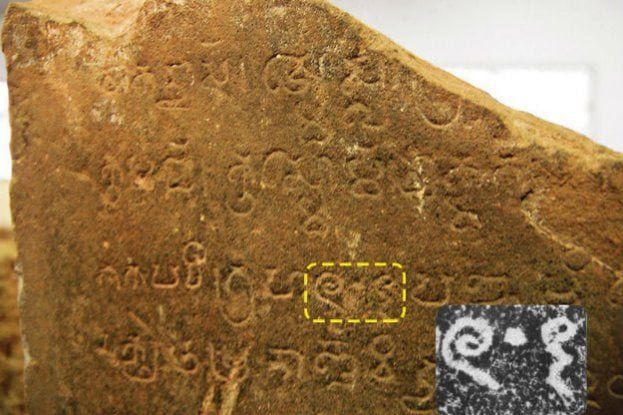
In 1931, a French scholar named George Coedès found it written on a stone stele and recorded it. It has been given the number K-127. The writing on K-127 looks like a bill of sale and mentions slaves, five sets of oxen, and sacks of white rice. Amir Aczel, a mathematician from the US, dedicated…
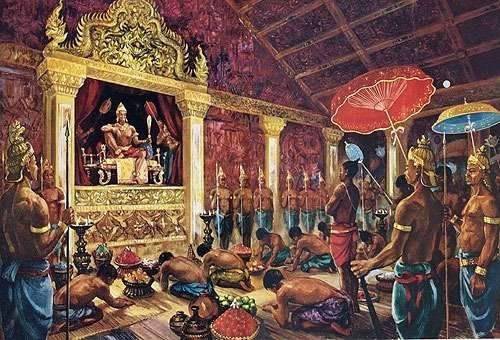
Zhou Daguan (1270–?) was a Chinese diplomat of the Yuan dynasty who served under Temür Khan (Emperor Chengzong of Yuan). He is famous for the way he wrote about Cambodian customs and the Angkor temple complex while he was there. He arrived at Angkor in August 1296 and stayed at the court of King Indravarman…
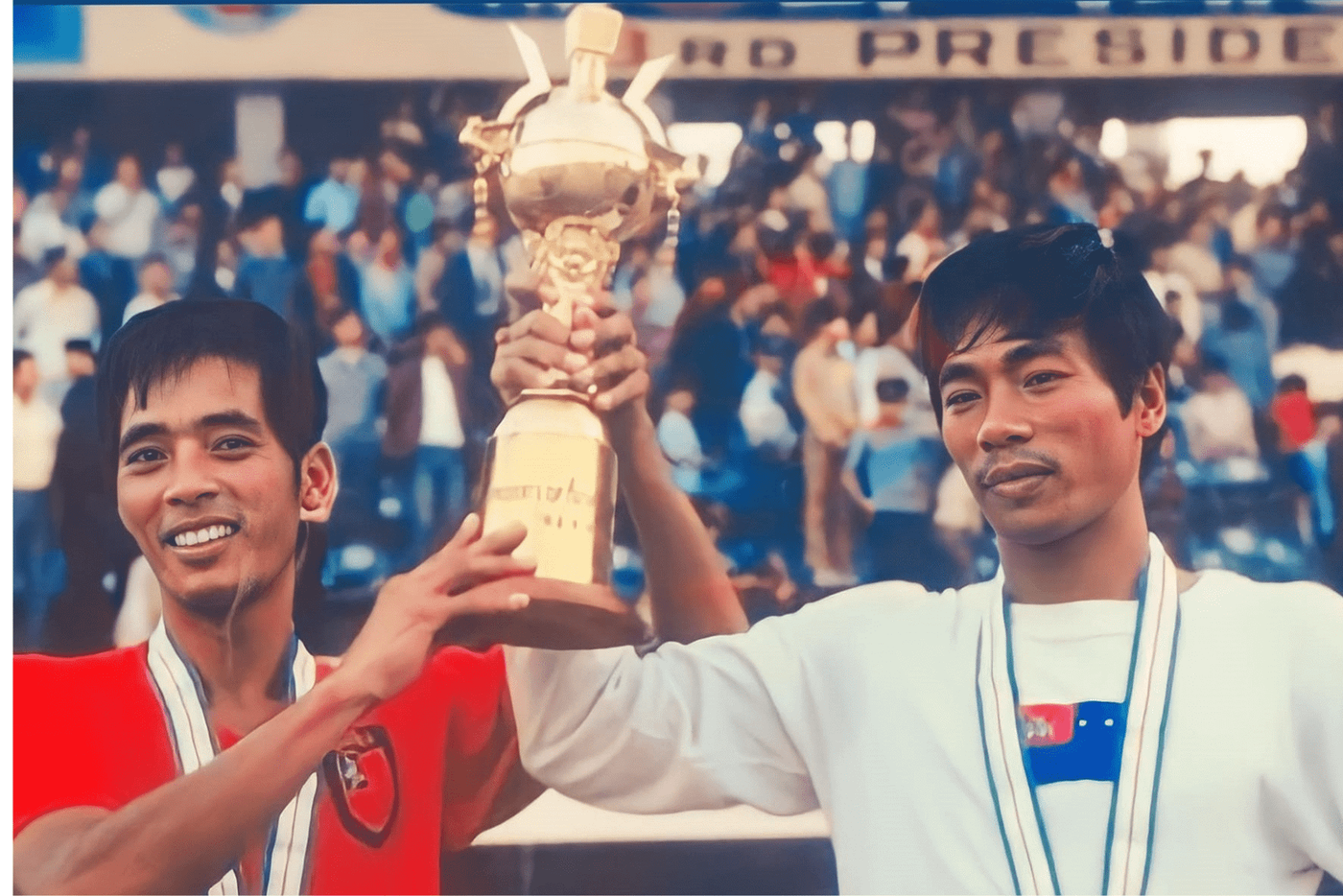
Did you know? In 1973, in Seoul, Korea, Cambodia (Khmer Republic) won the President’s Cup (also known as the Korea Cup) football tournament. The tournament took place between September 22 and September 30, 1973. Burma and the Khmer Republic (Cambodia) ended up in a 0–0 draw and shared the trophy. Undoubtedly, football is the most…
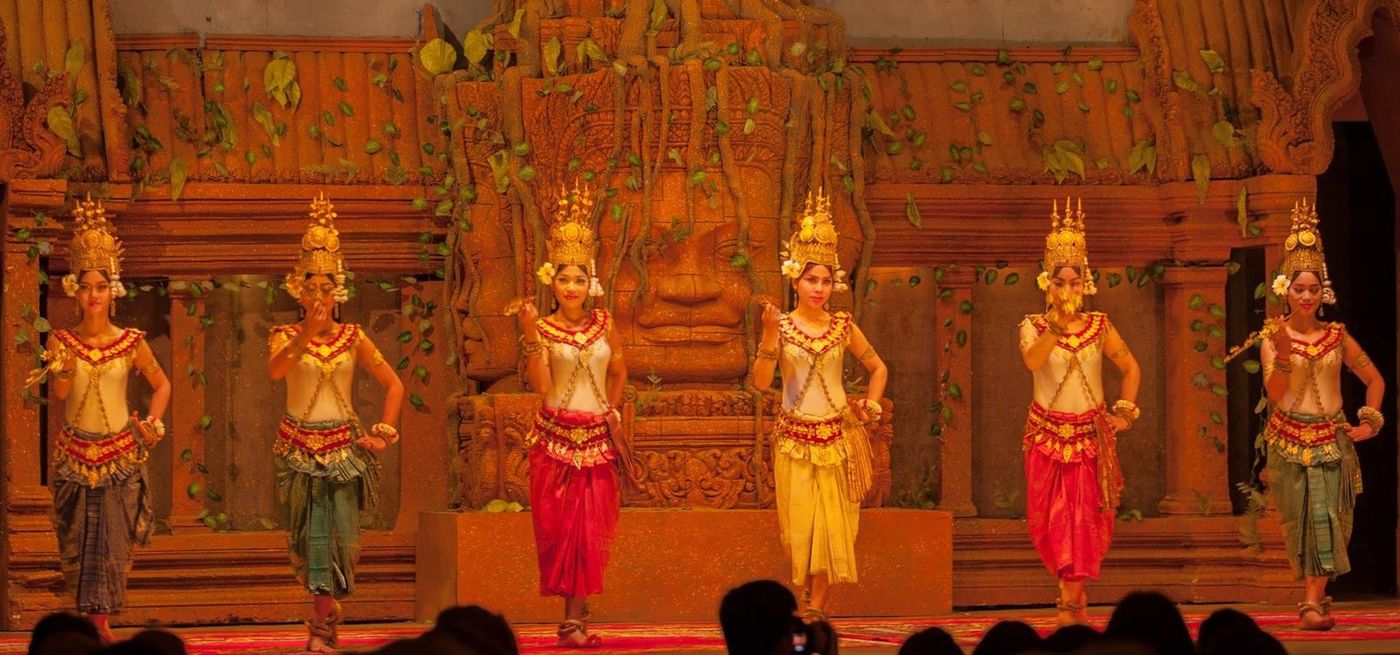
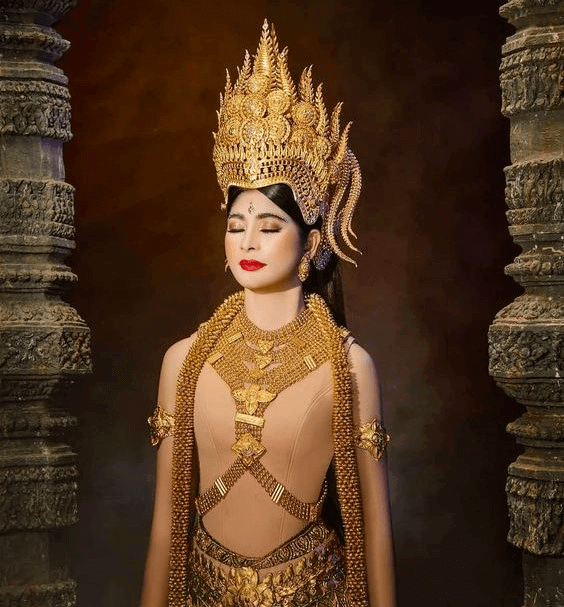
Apsara Dance, the ancient royal dance known for its graceful hand gestures and stunning costumes, was inscribed on the UNESCO World Heritage list on November 7, 2003, in Istanbul, Turkey. While listing, UNESCO designated Cambodia’s Apsara Dance as a “Masterpiece of Oral and Intangible Heritage of Humanity.” This has not only increased the legendary status…
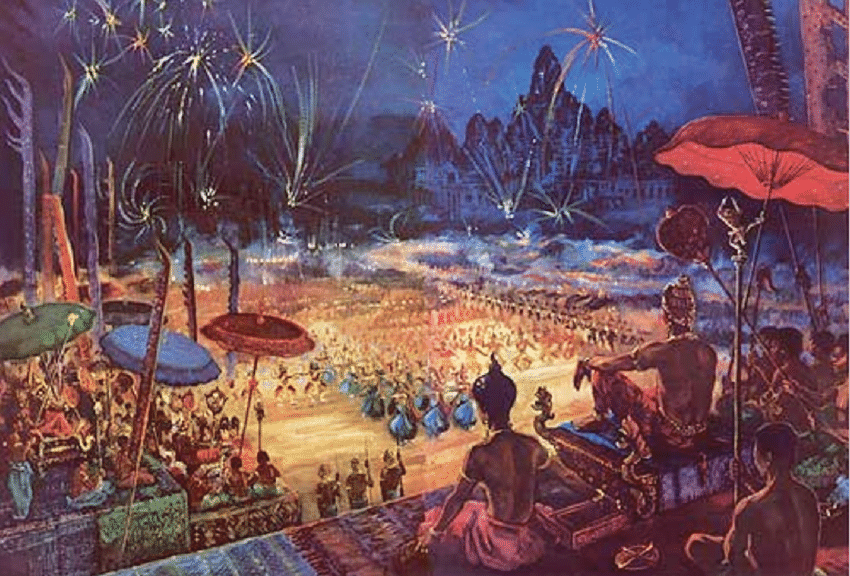
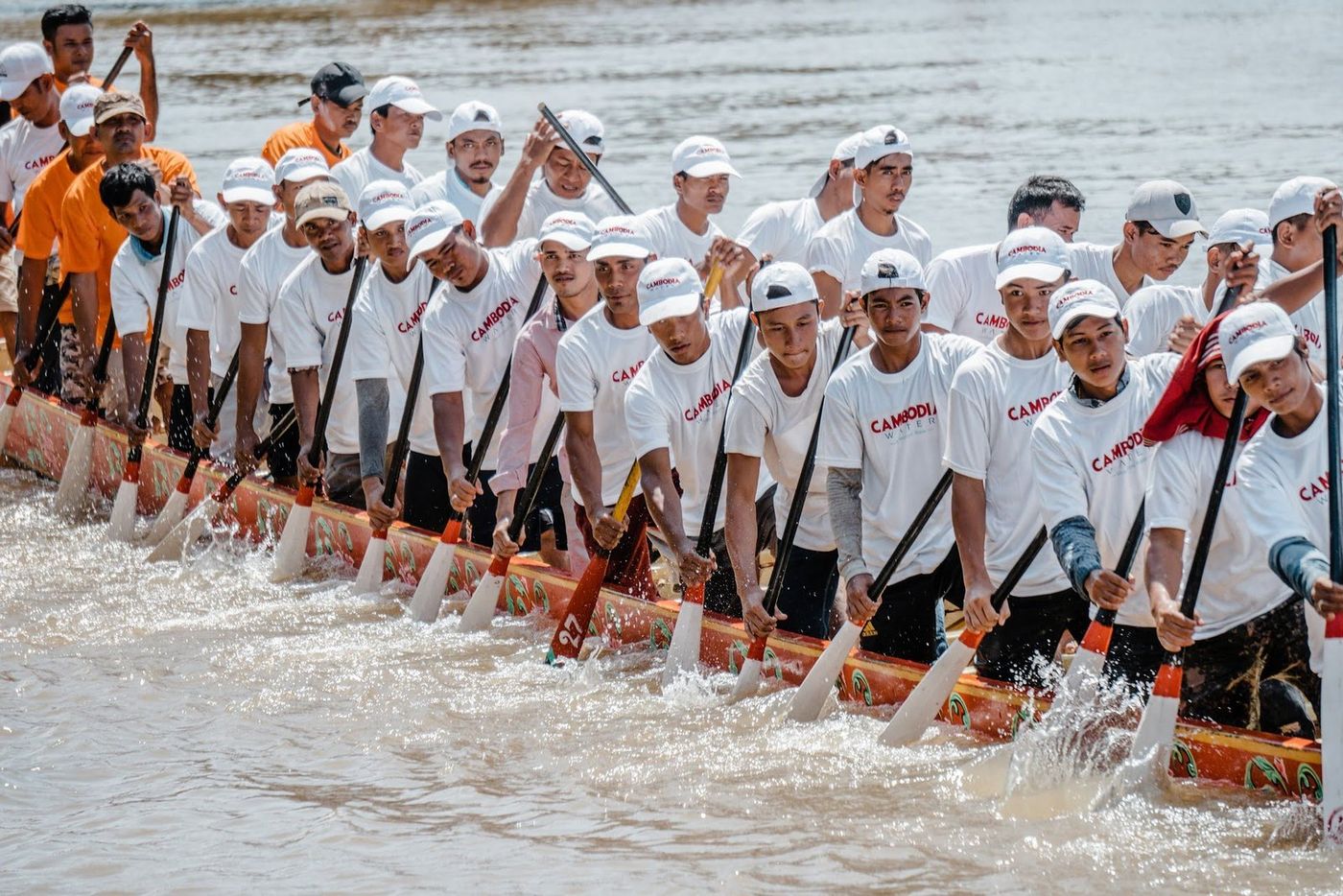
The 800-Year-Old Tradition of Bom Om Touk The Water Festival is Cambodia’s most festive festival, with crowds gathering to watch the boat race, illuminated boats, and fireworks. The water festival dates back to the 12th century and was originally held to honor King Jayavarman VII and his marine army who defeated the Cham people. The…
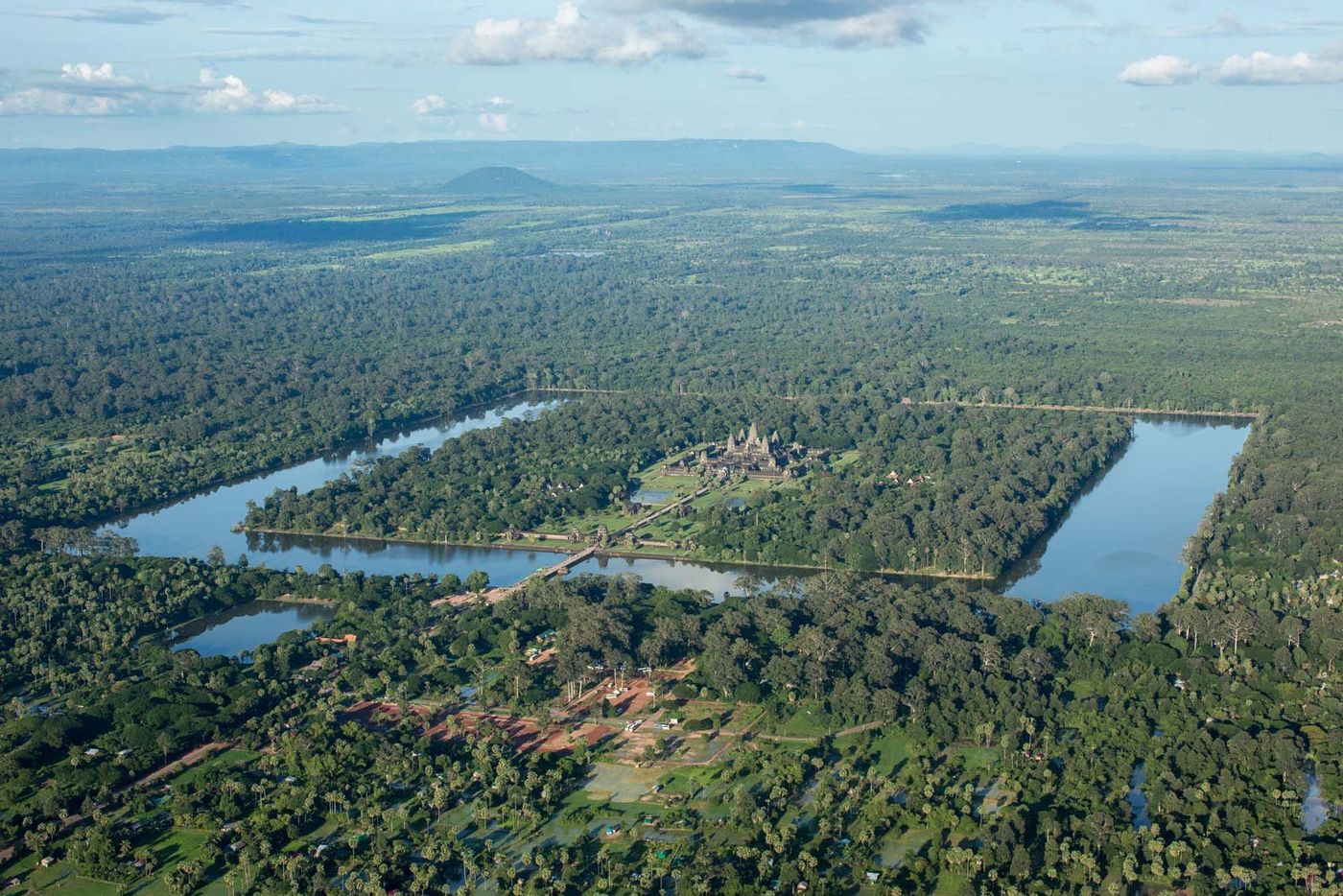
Angkor is known as the world’s first megacity and a hydraulic city. According to Evans et al. (2007), the area of Angkor’s urban complex was around 900 to 1,100 square kilometers, which is over four times the size of modern-day New York City. Angkor was a low-density city with dwellings and water tanks scattered over…
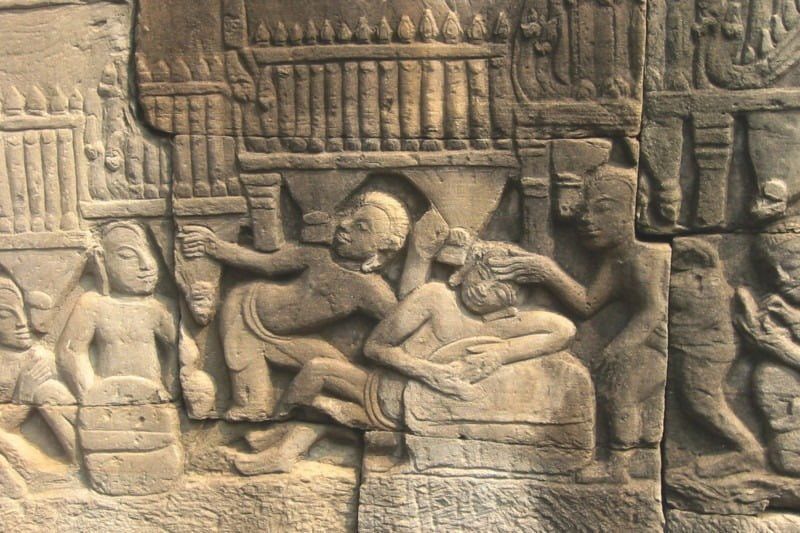
Yajnavaraha (10th century) was a priest-doctor and royal physician at King Rajendravarman’s court in Angkor, Cambodia, where he practised traditional Cambodian medicine and Ayurveda. He was the grandson of King Harshavarman I and a royal Brahmin. The majority of his knowledge came from his father Damodara, a vedic scholar. He was well-known for his religious…
Krom Ngoy (1865 – 1936) was a well-known Khmer poet and player of “Kse Diev”, a Khmer traditional one string instrument. He was invited to perform by the then-Thai King when news of his fame in Thailand spread. He was well-respected by the king and other authorities because of his title, “Phai-ros Loe Koern” in…
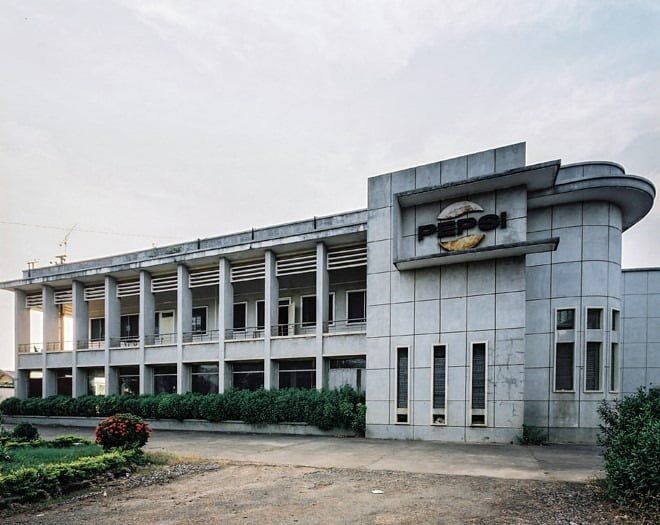
Many people are unaware that the first Pepsi factory opened in Battambang, Cambodia in the early 1960s, under the Sangkum Reastr Niyum regime of the country’s then-Prince Norodom Sihanouk. It was known as “Seng Thai” and was the property of a rich man named Eab Lean Huo. At that time, a factory was constructed in…
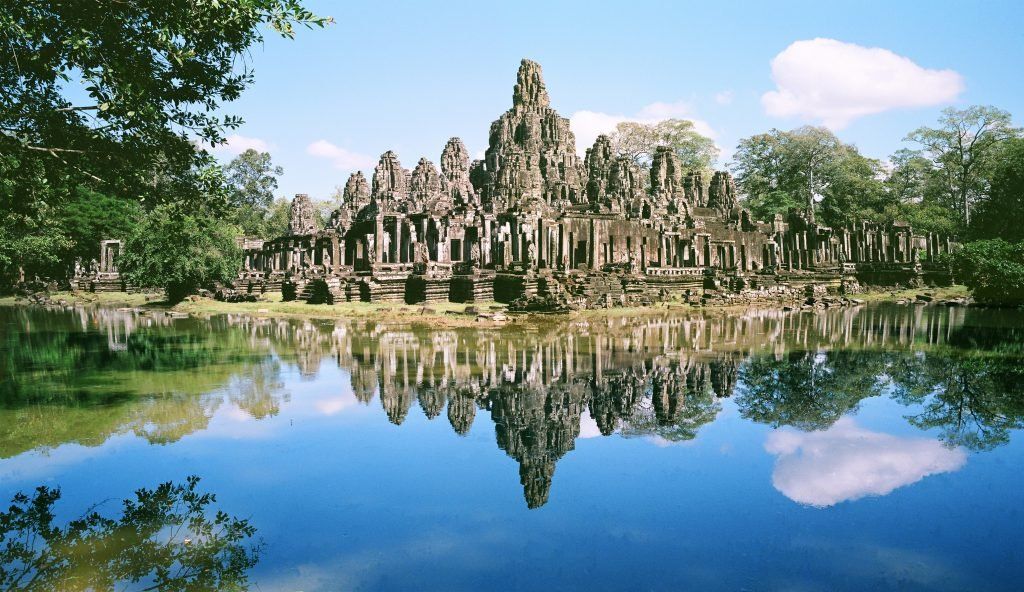
The Bayon is one of the most well-known Angkor complex buildings. The majority of people, however, are unaware that it was originally a mispronunciation. Bayon’s original Hindu name was Jayagiri (or victory mountain). One of the more well-known, well-liked, and beautiful buildings in the Angkor Wat Archaeological Park is the Bayon Temple. The temple, which…
The massive inscription discovered at Phimeanakas in the province of Siem Reap, Cambodia, contains the inscription of Queen Indradevi in Sanskrit, which she wrote somewhere between 1190 and 1200 AD. Her poetry demonstrates her near-perfect knowledge of the language as well as its complex poetic patterns. We are fortunate to have a translation of one…
The mediaeval history of Cambodia starts roughly in the 10th century, when the Khmer Empire had established its strong foothold in Cambodia, and ended in the 19th century, when Vietnamese attacks started happening in Cambodia. The mediaeval history of Cambodia is mainly split into two parts: Khmer Empire and the Post-Angkor period. Under the Khmer…
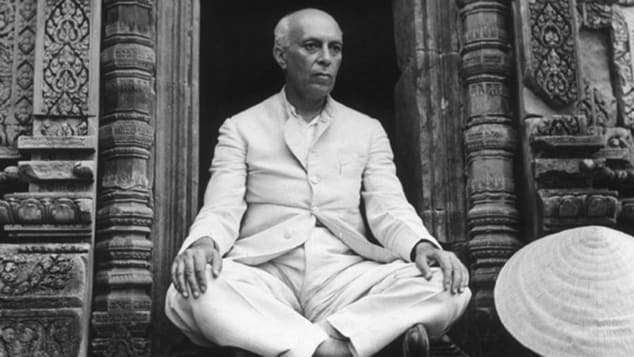
Pandit Jawaharlal Nehru, the first prime minister of India, had a close friendship with King Norodom Sihanouk. According to Sihanouk, Nehru was his greatest friend and he considered Nehru as his political mentor. In reality, Nehru was the first head of state to travel to the Cambodia after it gained independence. A 2000-year-old cultural exchange exists between…