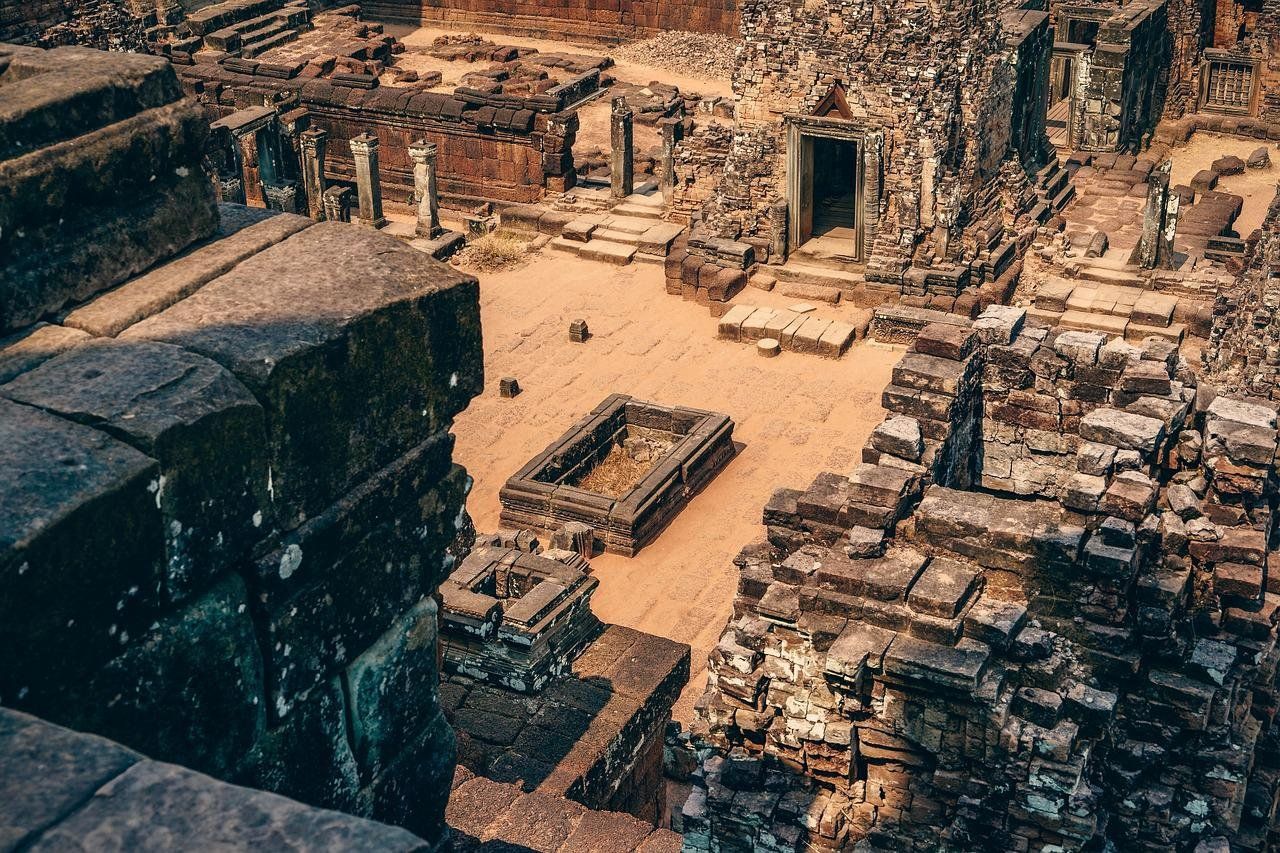
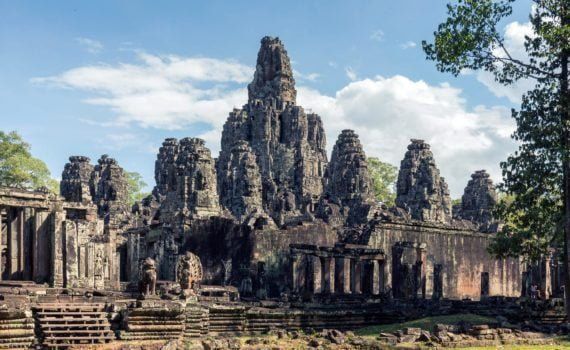
Ancient History of Cambodia The Ancient history of Cambodia is represented by the Funan kingdom, Chenla Kingdom, and the early Khmer empire. The Funan kingdom was established in the 4th century by an Indian Brahmin king named Kaundinya. Due to this, it had a deep influence on Indian culture. Also, Cambodia was a trade route…
Introduction to History of Cambodia Cambodia is a beautiful landscape country located in the mainland of Indo-China and borders Thailand, Vietnam, and Laos. As it was an important trade route between India and China in the past, it possesses a rich cultural and religious heritage. The history of Cambodia is mainly divided into prehistoric age,…
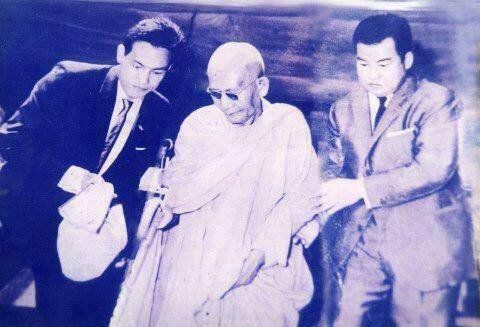
In the pursuit of the Khmer identity, one Buddhist monk stands out as special. He is His Holiness Samdech Sangha Rāja Jhotañāno Chuon Nath, a visionary lexicographer of the Khmer language and the leader of Cambodian Buddhism. Chuon Nath (11 March 1883–25 September 1969) was a Cambodian monk and the late Kana Mahanikaya Supreme Patriarch…
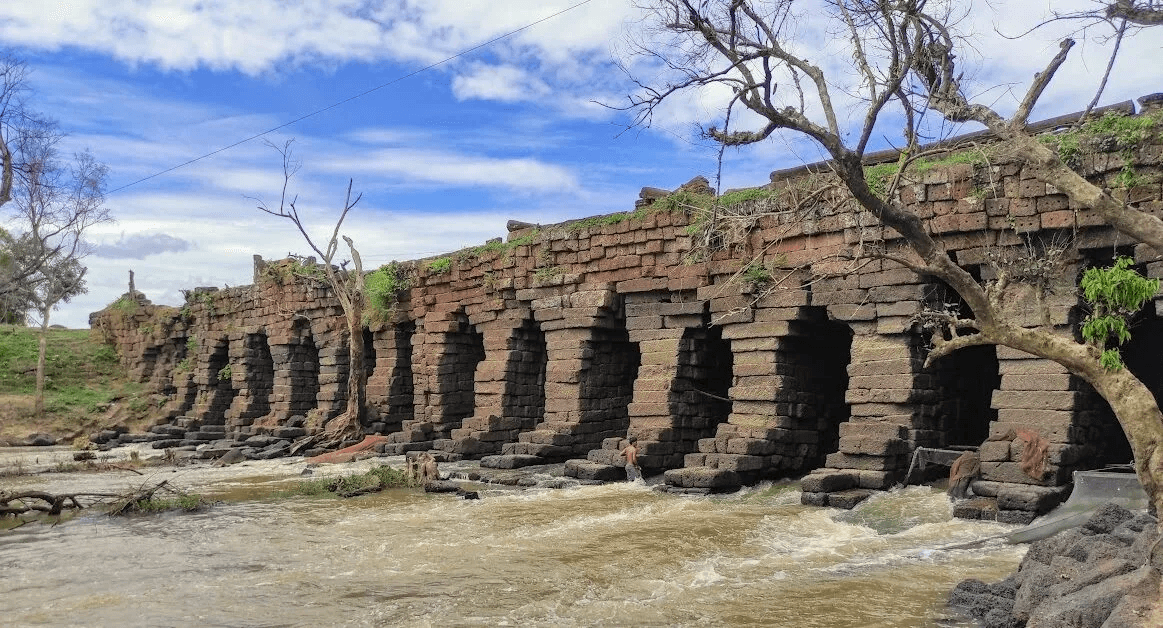
The incredible stone bridges that were built at the peak of the Angkor empire are an often-forgotten aspect of ancient Cambodia. This route was a part of the “Royal Road” network that connected Angkor to Koh Ker and Wat Phu, Prasat Andet, Sambor Prei Kuk, Ta Muan and Phimai, and Phnom Srok and Sdok Kak…
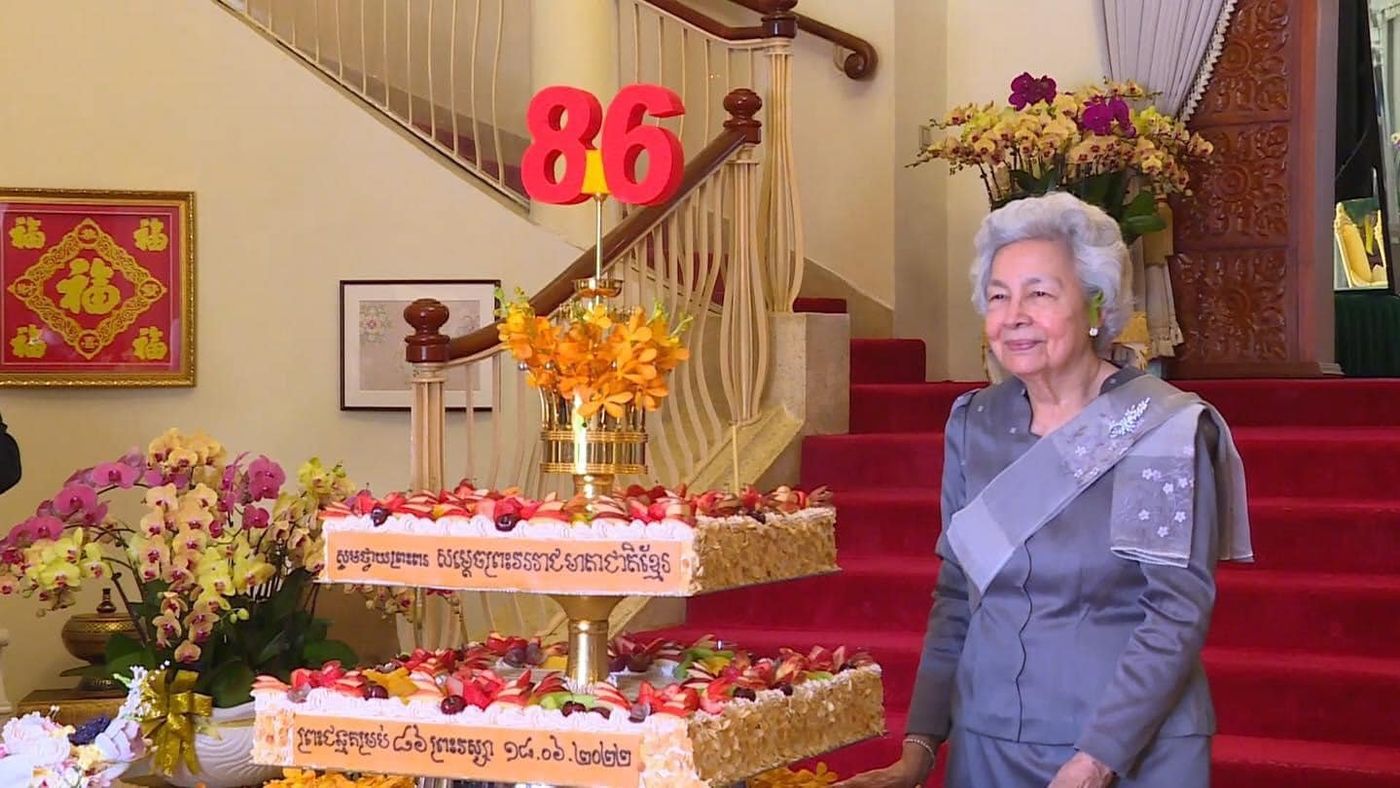
Queen Mother Norodom Monineath Sihanouk is a beauty to behold even at the age of 86 and her triumphant charm and grace is all attributed to her ancestry. Her father, Jean-François Izzi, was a French banker of Corsican, French, and Italian descent who was the Director of Crédit Foncier in Saigon and was killed in…
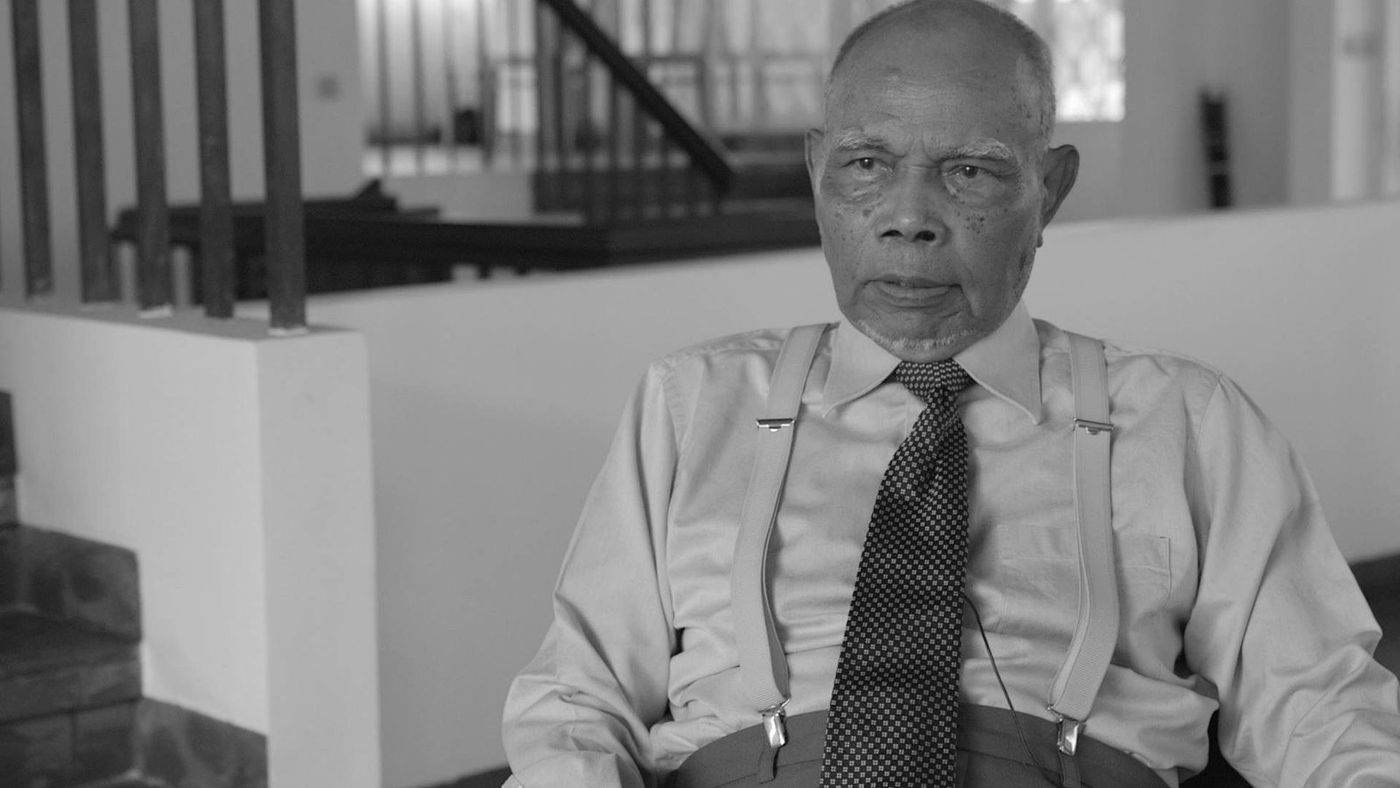
Vann Molyvann (23 November 1926 – 28 September 2017) was a Cambodian architect. Possibly the most well-known. During the Sangkum Reastr Niyum government (1955–1970), Prince Norodom Sihanouk implemented a development agenda that included the creation of new cities, infrastructure, and architecture throughout the kingdom. Molyvann was the first of a generation of architects who contributed…
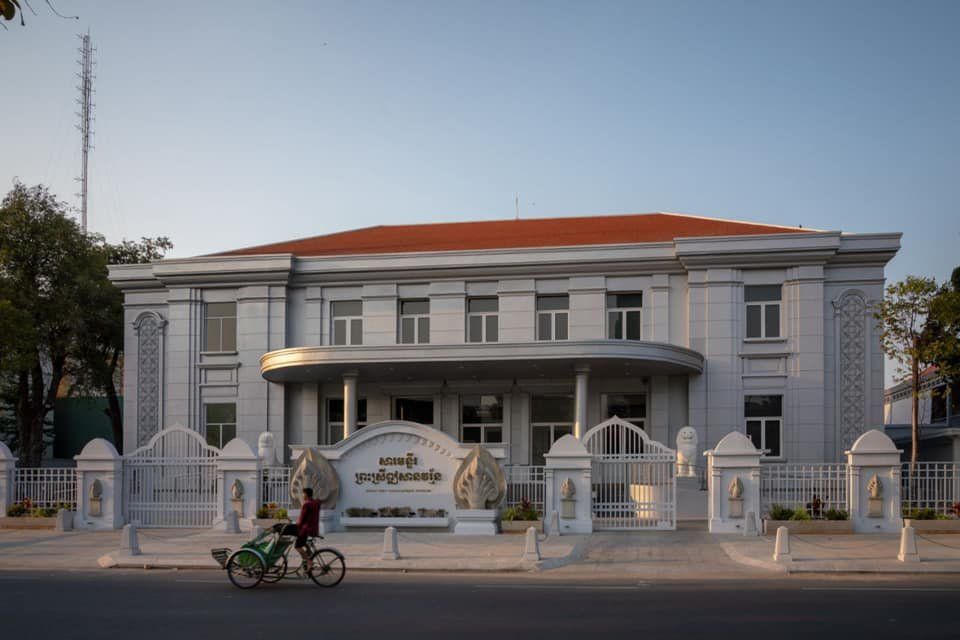
Cambodia museum of economy and money SOSORO was developed to offer a unique perspective on Cambodian history as well as a better understanding of the constant interaction between money, the economy, and politics. The Cambodian Museum of Economy and Money is named after King Isanavarman I, the ruler of Chenla, where the region’s first monetary…
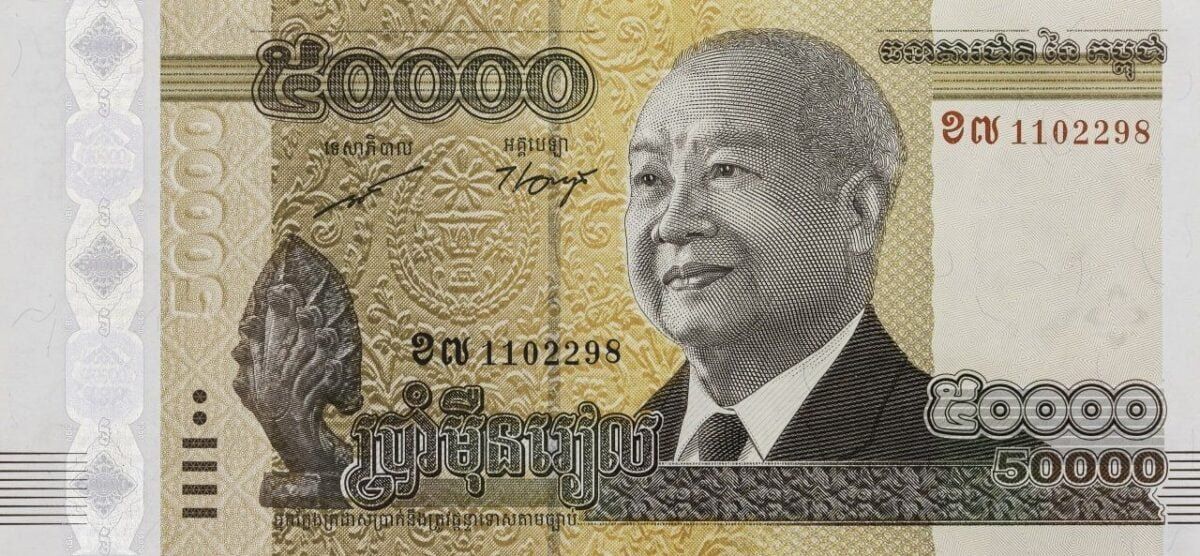
Currency, whether in the form of precious stones and metals or banknotes, is always a game-changer in a nation’s economic history because it gives a universal store of value that is accepted by both citizens and traders. Cambodia is no different. Despite the healthy riel as the national currency today, the oldest civilisation has a…
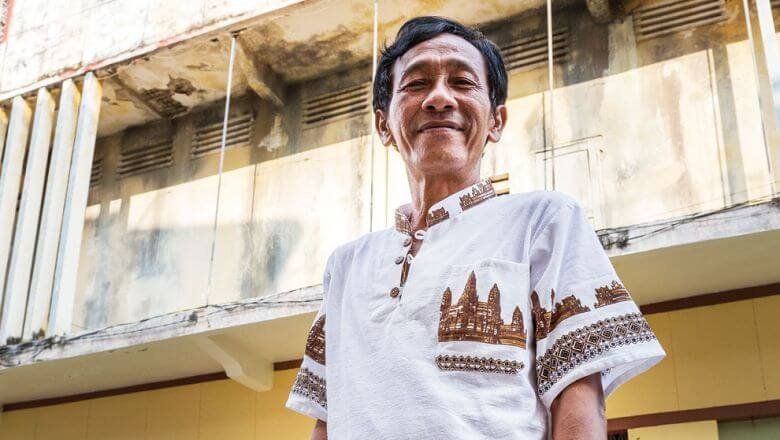
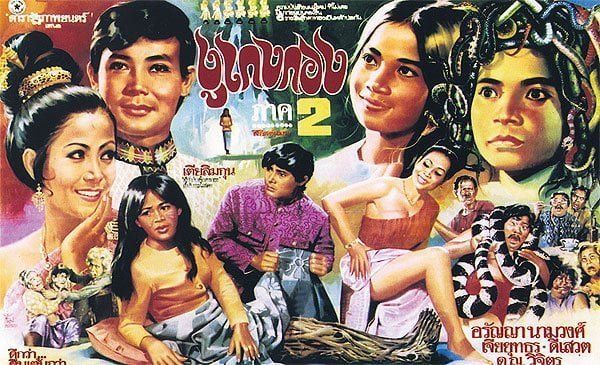
Moeun Chhay, a self-taught artist, earned 900 riel per month as a teenager painting advertising hoardings for Cambodian films playing in Battambang. He was probably the last representative of this skill who worked prior to the Khmer Rouge era. Chhay’s livelihood as a teenager in Battambang in the 1960s was the cinema. He was one…
Cinema in Cambodia began in the 1950s, and many films were being screened in theatres all across the country during 1960s, which is considered as the “Golden Age”. In the 1950s, filmmakers who had studied abroad made the first Cambodian movie. Roeum Sophon, Leu Pannakar, and Sun Bun Ly were among those included in the…
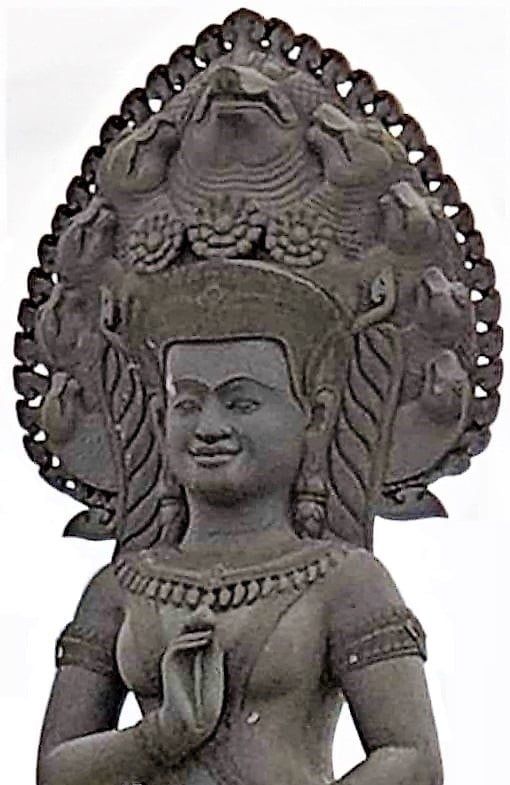
Soma (Khmer:) or Neang Neak (Khmer) was commonly regarded as Cambodia’s first monarch (reigned c. 1st century). She was also Cambodia’s first female leader. She was the spouse of Kaundinya I (also known “Preah Thong”). In Khmer history, Queen Soma and her husband, King Kaundinya I, are known as “Preah Thong (Kaundinya) and Neang Neak…
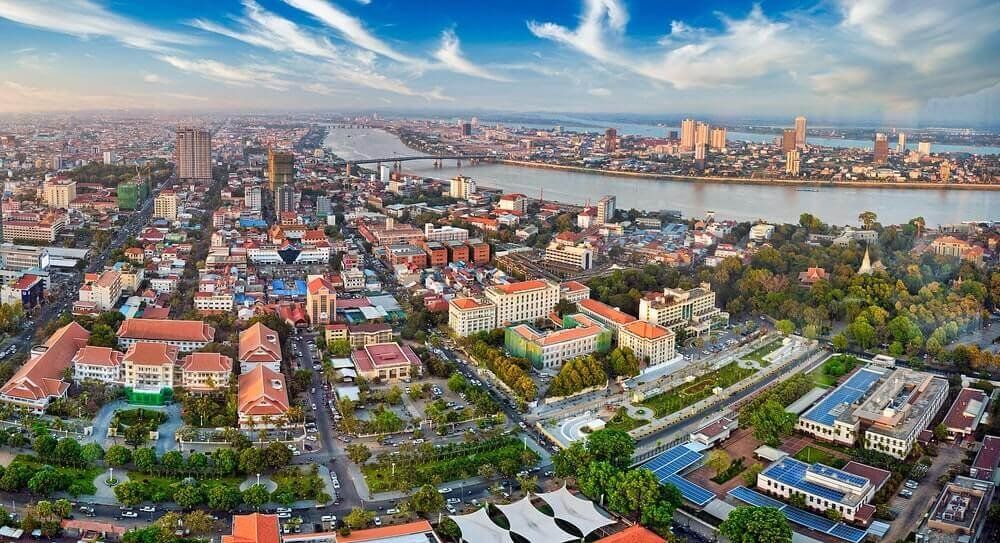
By 2050, nearly four out of every ten Cambodians would live in an urban area. Over the next 35 years, the country is predicted to urbanise at a rate of 2.5 % annually, with the capital Phnom Penh moving ahead. The capital of Cambodia, Phnom Penh, was founded in the 14th century. After the abandonment…