Boeung Ket Rubber Plantation Expands Operations to Produce Latex Gloves for Export
Dieser Artikel ist in dieser Sprache noch nicht verfügbar. Sie lesen das englische Original.
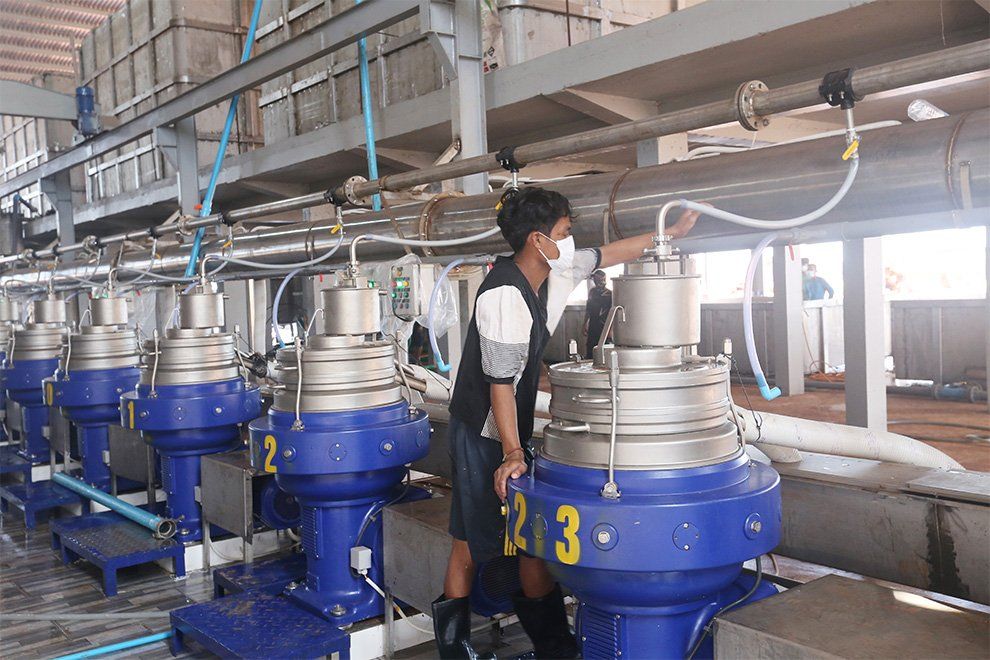
Boeung Ket Rubber Plantation, located in Stung Trang district of Kampong Cham province, is making a bold move toward enhancing Cambodia’s manufacturing capabilities by announcing its expansion into latex glove production for export. This strategic shift is part of the company’s broader plan to process rubber locally, reduce reliance on foreign producers, and increase Cambodia’s self-sufficiency in the rubber and manufacturing industries.
Boeung Ket’s Rubber Production Expansion
Heng Long, the president of Boeung Ket Rubber Plantation, revealed to local media that the company has ramped up its rubber production capacity. Currently, Boeung Ket produces around 300 tonnes of latex rubber per day, with a target of reaching 600 tonnes daily in the near future. The company aims to produce latex gloves locally within the next year, marking a major step toward establishing Cambodia as a key player in the global latex glove market.
“In half a year or a year, we will produce gloves in our own country. We don’t want foreign companies to profit too much from us,” said Heng Long. This move signals a turning point for Cambodia’s rubber industry, helping the country become less reliant on foreign manufacturers while adding more value to its rubber production.
Job Creation and Supporting Local Workforce
The expansion is expected to generate significant employment opportunities for the local workforce. Boeung Ket Rubber Plantation plans to hire an additional 1,300 workers as part of its growth, many of whom will be returning migrant workers from Thailand seeking jobs closer to home. The Cambodian government has actively encouraged migrant workers to return, and the district governor, Ban Sreng, has expressed his full support for the initiative.
“Stung Trang district has about 7,000 migrant workers, and we expect Heng Long’s company to absorb a large number of them,” said Sreng. The company currently employs around 6,000 workers across its various operations, including rubber plantations, banana farming, fertiliser factories, and even paper production. Workers are paid between $13 and $15 per day, with higher rates for skilled labor, along with food and accommodation. Looking ahead, Boeung Ket plans to shift to salaried positions to offer more job stability.
Boeung Ket’s Investments in Infrastructure and Export Growth
Boeung Ket Rubber Plantation has made substantial investments in modern infrastructure, including state-of-the-art irrigation systems, harvesting technology, and packaging facilities. These upgrades ensure that the company’s rubber products meet international export standards, with key markets already including China and Vietnam.
The company’s operations are set to play a crucial role in the economic development of Kampong Cham province, which is home to over 265,000 hectares of agricultural land. Agriculture remains the primary source of income for about 66% of the province’s population, underscoring the significance of the sector to the local economy.
Strengthening Cambodia’s Agricultural and Manufacturing Sectors
Boeung Ket’s expansion into latex glove production is expected to boost Cambodia’s agricultural sector, reduce dependence on foreign manufacturers, and create new jobs for local workers. With this move, the company is helping to diversify the country’s economy, contributing to both the agricultural and manufacturing industries. The production of latex gloves within Cambodia will not only serve the growing international demand for medical supplies but also strengthen the country’s position in global markets.
By processing rubber locally and creating value-added products, Boeung Ket Rubber Plantation is paving the way for a more self-sufficient and resilient Cambodian economy. This expansion promises to improve Cambodia’s export capabilities, create employment opportunities, and support the development of Cambodia’s manufacturing and rubber industries.