Buddhism and Diplomacy: A Path to Peace and Understanding
Dieser Artikel ist in dieser Sprache noch nicht verfügbar. Sie lesen das englische Original.

Buddhism, with its rich heritage of teachings centered on peace, compassion, and mindfulness, offers profound insights that are invaluable in the realm of diplomacy. The teachings of Buddha emphasize the importance of understanding, compassion, and the transformative potential of inner peace, which can significantly influence diplomatic practices and international relations.
The Foundation of Buddhist Teachings
Central to Buddhism are the Four Noble Truths, which acknowledge the existence of suffering in life and propose a path to its cessation through ethical conduct, mental discipline, and wisdom. The teachings encourage individuals to overcome the three poisons—greed, anger, and delusion—which are considered the root causes of conflict. By addressing these internal vices, individuals and nations can cultivate a more harmonious existence.
Conflict Resolution and Mediation
Buddhist principles are particularly relevant in conflict resolution and mediation. The practice of “right speech,” one of the components of the Noble Eightfold Path, advocates for communication that fosters harmony and understanding rather than discord. In diplomatic contexts, this principle encourages dialogue that is respectful, empathetic, and aimed at mutual understanding.
The approach to conflict in Buddhism views disputes as opportunities for growth and positive change. Historical accounts of Buddha’s life illustrate his role as a mediator, where he employed deep listening and thoughtful questioning to resolve conflicts among his followers. This method of mediation, grounded in mindfulness and compassion, can be applied to modern diplomatic efforts to promote peace and reconciliation.
The Role of Meditation
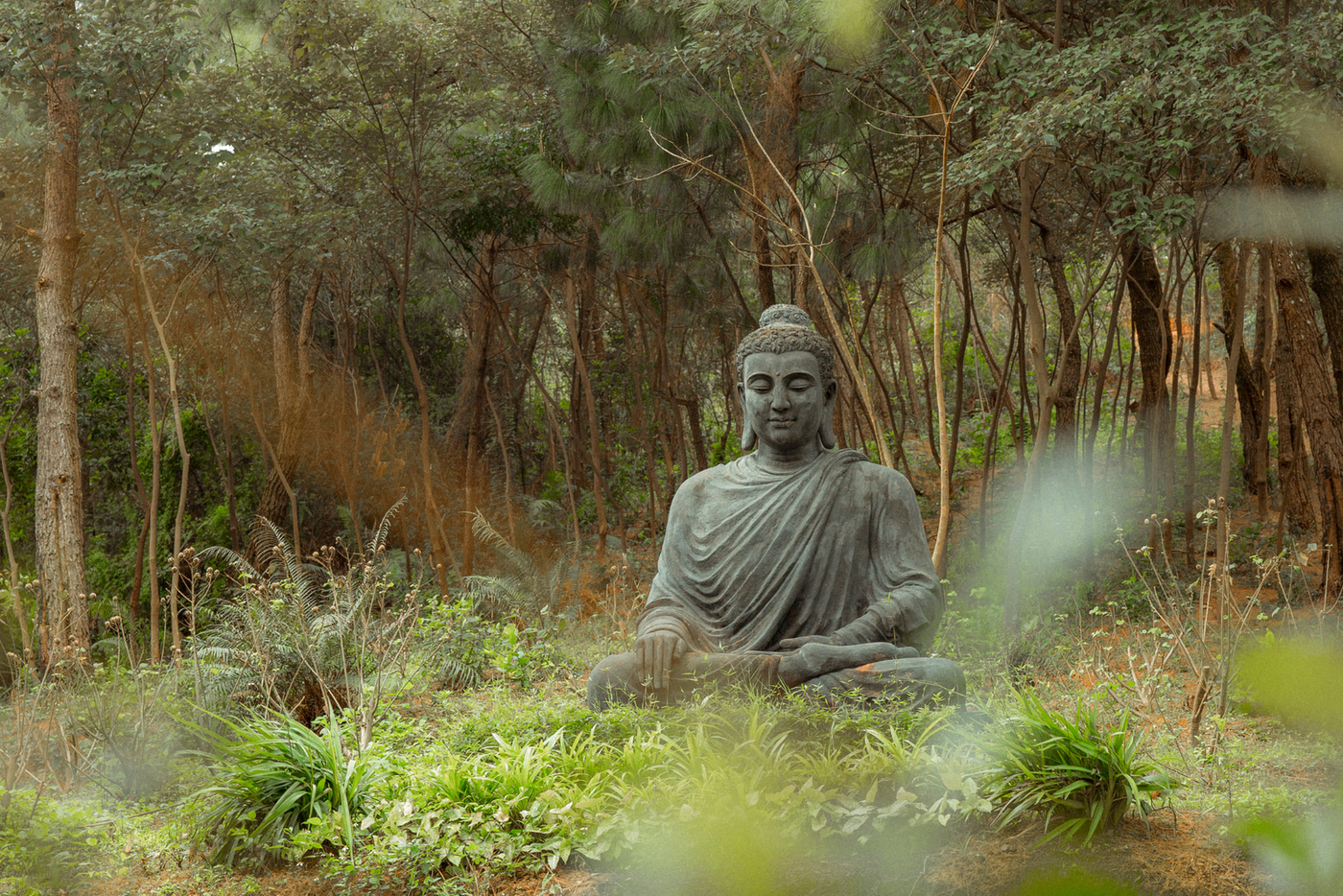
Meditation, a cornerstone of Buddhist practice, is a powerful tool for diplomats. It fosters mindfulness and presence, allowing individuals to approach negotiations with a calm and clear mind. This practice enhances the ability to listen deeply and respond thoughtfully, which is crucial in high-stakes diplomatic engagements. Meditation encourages a shift from self-centeredness to a broader perspective that considers the well-being of all parties involved.
Integrating Buddhist Values in Diplomacy
The core values of loving-kindness, compassion, and equanimity are integral to Buddhist practice and can greatly enhance diplomatic efforts. Loving-kindness and compassion encourage a genuine concern for others, promoting efforts to address humanitarian issues and conflicts with empathy. Equanimity fosters balance and impartiality, essential qualities for fair and effective diplomacy.
Applying these values, diplomats can work towards creating environments where mutual respect and understanding prevail. This approach not only helps in resolving existing conflicts but also in preventing future ones by building stronger, more empathetic international relationships.
Incorporating Buddhist principles into diplomacy offers a path toward more peaceful and constructive international relations. By embracing the teachings of compassion, mindfulness, and ethical conduct, diplomats can navigate the complexities of global interactions with greater wisdom and effectiveness. In a world often marred by conflict and misunderstanding, the timeless wisdom of Buddhism provides a beacon of hope and a guide for creating a more harmonious global community.