Cambodia’s First Utility-Scale Solar Plant
Dieser Artikel ist in dieser Sprache noch nicht verfügbar. Sie lesen das englische Original.
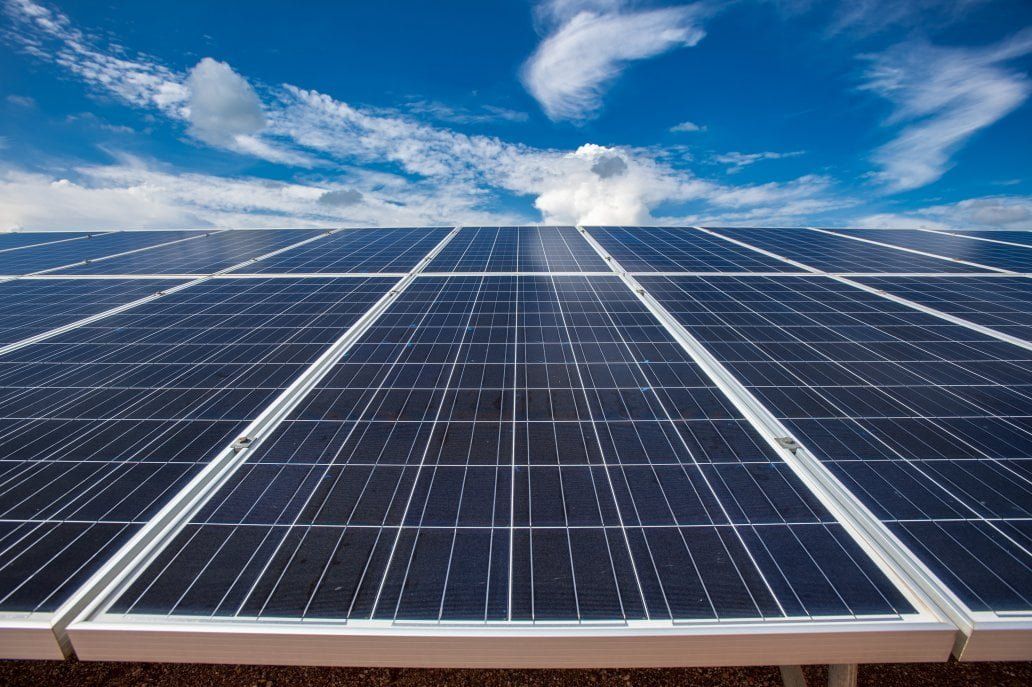
In contrast to fossil fuels, the sun has more than enough energy to supply the entire world’s energy needs, and it won’t run out anytime soon.
The only constraint on solar energy as a renewable resource is our ability to economically and efficiently convert it to electricity.
About 150 kilometers from the capital, Phnom Penh, the 10-megawatt solar power plant is situated in Bavet, a special economic zone on the Vietnamese border, and is Cambodia’s first utility-scale solar plant.
After an international tender, a group led by the Singaporean business Sunseap constructed the facility and signed a 20-year solar power purchase agreement with government firm Electricité Du Cambodge. Since 2017, the solar power plant has been providing around 25% of the demand for the surrounding city of Bavet, and it is estimated that it saves about 5,500 tons of greenhouse gas emissions every year.
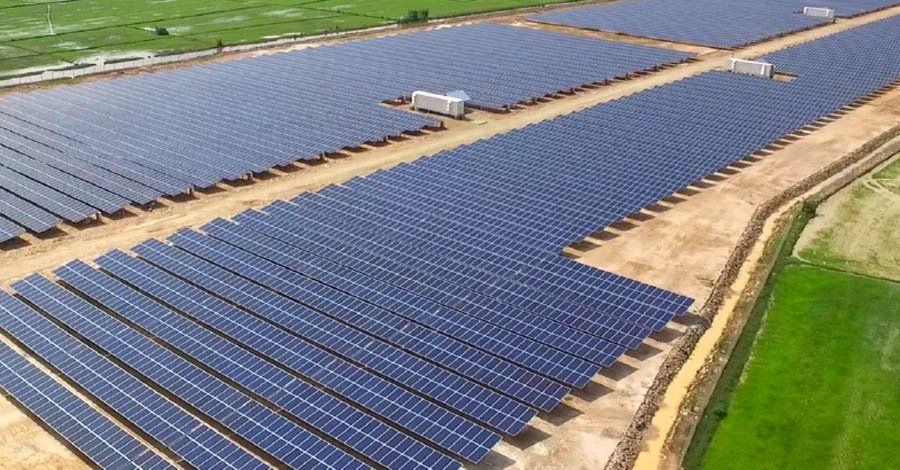
The area has experienced power shortages, but since the solar plant has been operating, investments have increased, encouraging future development and presenting employment opportunities for the local residents.
The project received a $9.2 million debt finance package from the Private Sector Operations Department of ADB. A private sector financial institution provided co-financing, while the Canadian Climate Fund for the Private Sector in Asia provided a concessional loan (CFPS).
Despite enormous untapped potential for solar power, Bavet and Cambodia as a whole have historically relied on fossil fuels and hydropower for their energy needs.
Economic investment in the local economic zone has surged since the solar plant began generating power, fostering development in the region.
The solar project has increased the stability of Cambodia’s electricity supply and generated green jobs.
Source: ADB