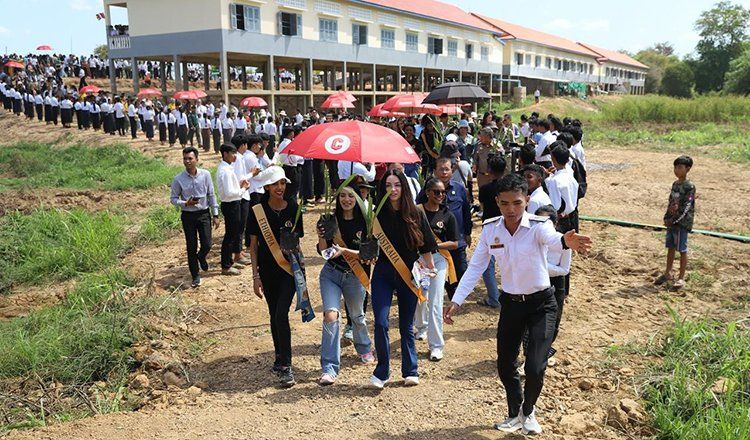
Miss Planet International delegates from 35 countries joined a tree-planting event in Kampong Khleang, Siem Reap, promoting environmental conservation and sustainable tourism initiatives in one of Cambodia’s most important travel destinations.
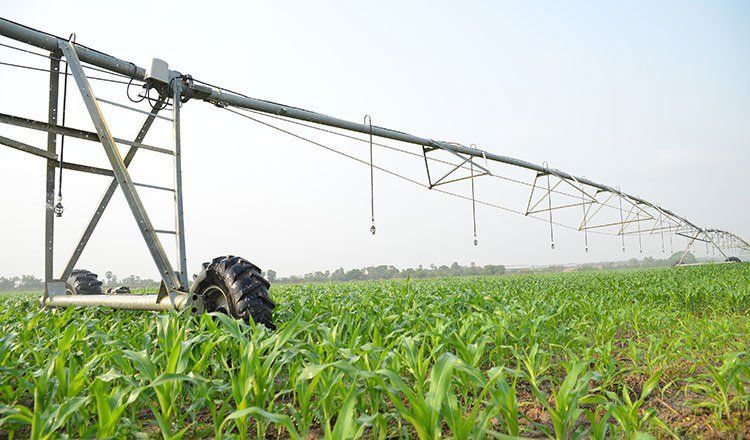
Cambodia’s agriculture sector contributes around 16 percent to the country’s GDP, highlighting its continued role in supporting rural livelihoods, food security, and export growth as the national economy continues to diversify.
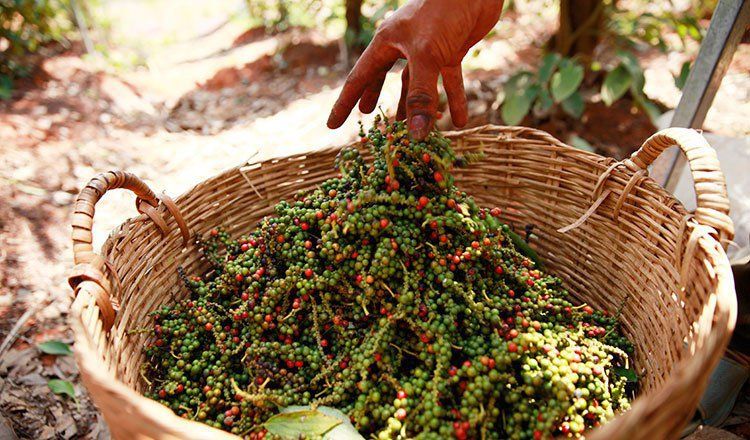
Cambodia’s Ministry of Commerce and Kampot Pepper Promotion Association outline a strategic plan to strengthen GI-certified pepper in global markets by enhancing quality standards, export access, and international recognition in 2026.
A national farming initiative in Cambodia is supporting displaced families by teaching agricultural cultivation and providing seeds, tools and training, promoting food self-sufficiency and strengthening community cooperation at displacement camps.
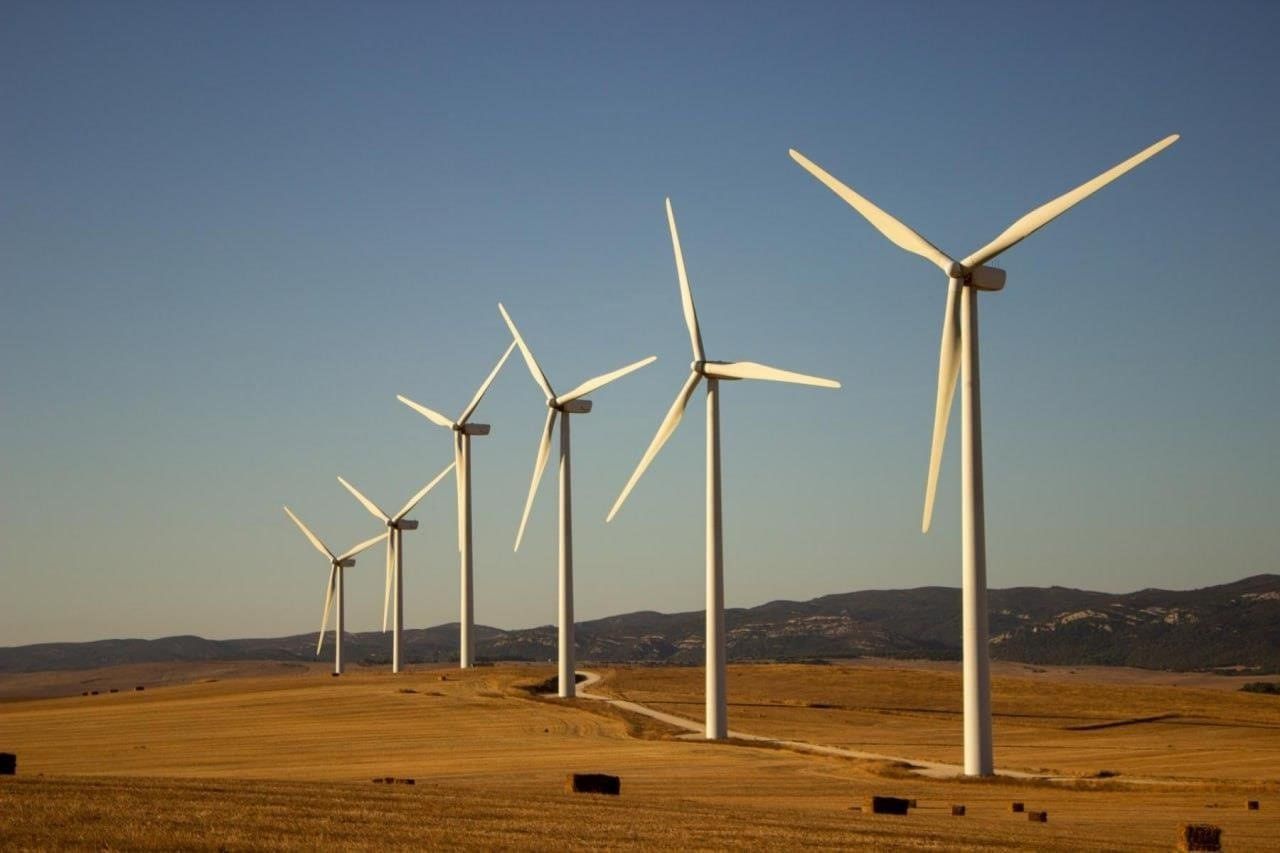
Cambodia’s government approved a $200 million investment for a 150 MW wind power plant in Mondulkiri Province, expected to create jobs and boost renewable energy capacity. The project, led by a Malaysian company, was approved by the Cambodian Investment Board under CDC.
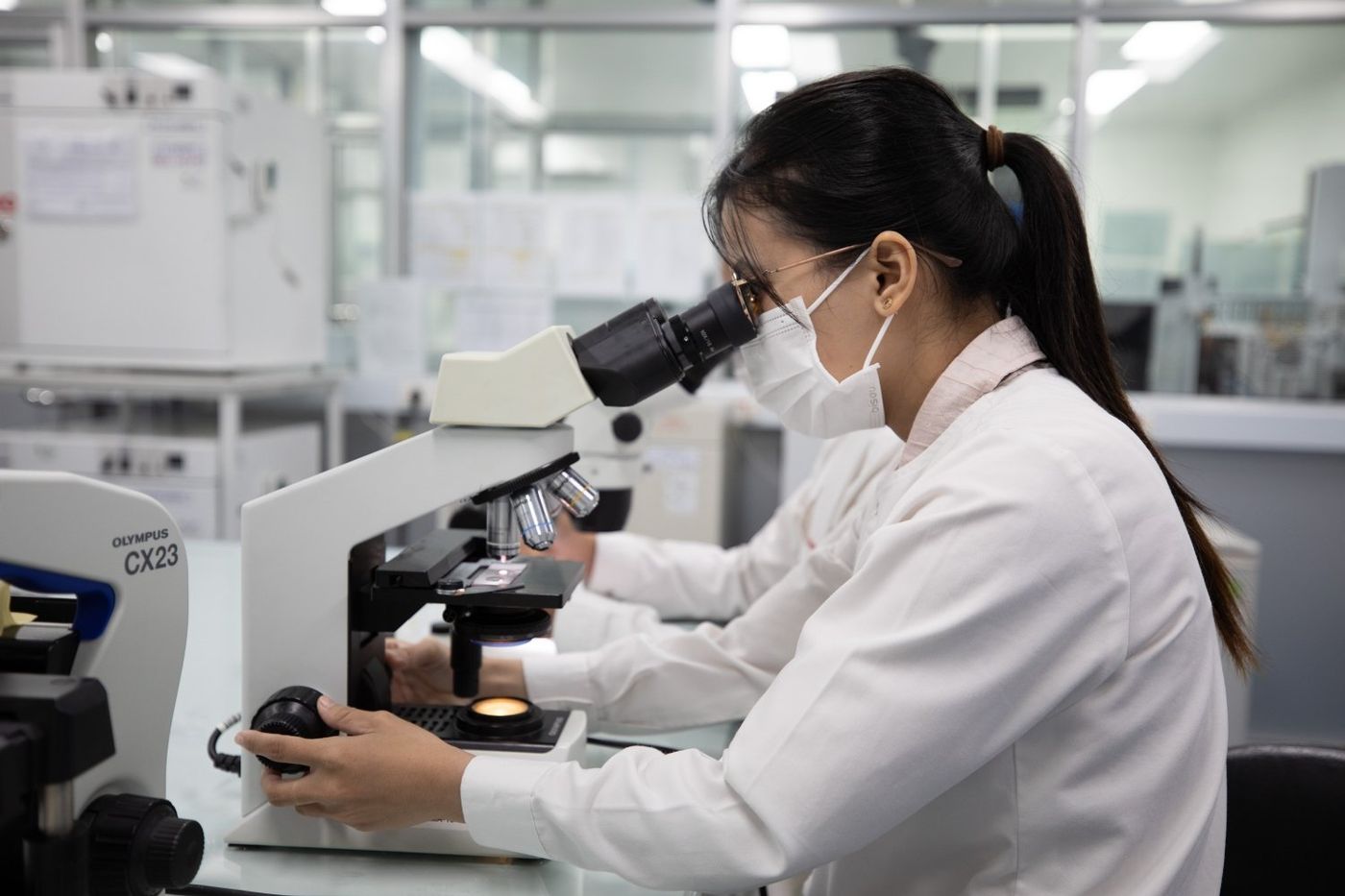
Cambodia has expanded internationally accredited food safety testing at the Institut Pasteur du Cambodge, enabling in-country ISO/IEC 17025:2017 tests for heavy metals and pesticide residues in rice and pepper. This development lowers export costs and expedites compliance with global standards.
PHNOM PENH, Cambodia – February 4, 2026 – The Government of Japan has announced a significant grant of USD 301,904 to support two vital grassroots human security projects in Cambodia, focusing on agricultural infrastructure and youth empowerment. These initiatives, implemented under Japan’s “KUSANONE” framework, aim to bolster rural development and improve living standards in key…
On World Wetlands Day, Cambodia’s wetlands stand out as vital ecosystems supporting biodiversity, communities, and ecotourism—offering nature-based experiences rooted in conservation and culture.
PHNOM PENH, Cambodia — In a strategic move to enhance climate resilience in Cambodia’s primary tourism gateway, the Government of India and the Royal Government of Cambodia signed a Memorandum of Understanding (MoU) on Monday, February 2, 2026. The agreement facilitates a Quick Impact Project (QIP) aimed at “Enhancing Weather and Climate Monitoring Capacity” in…
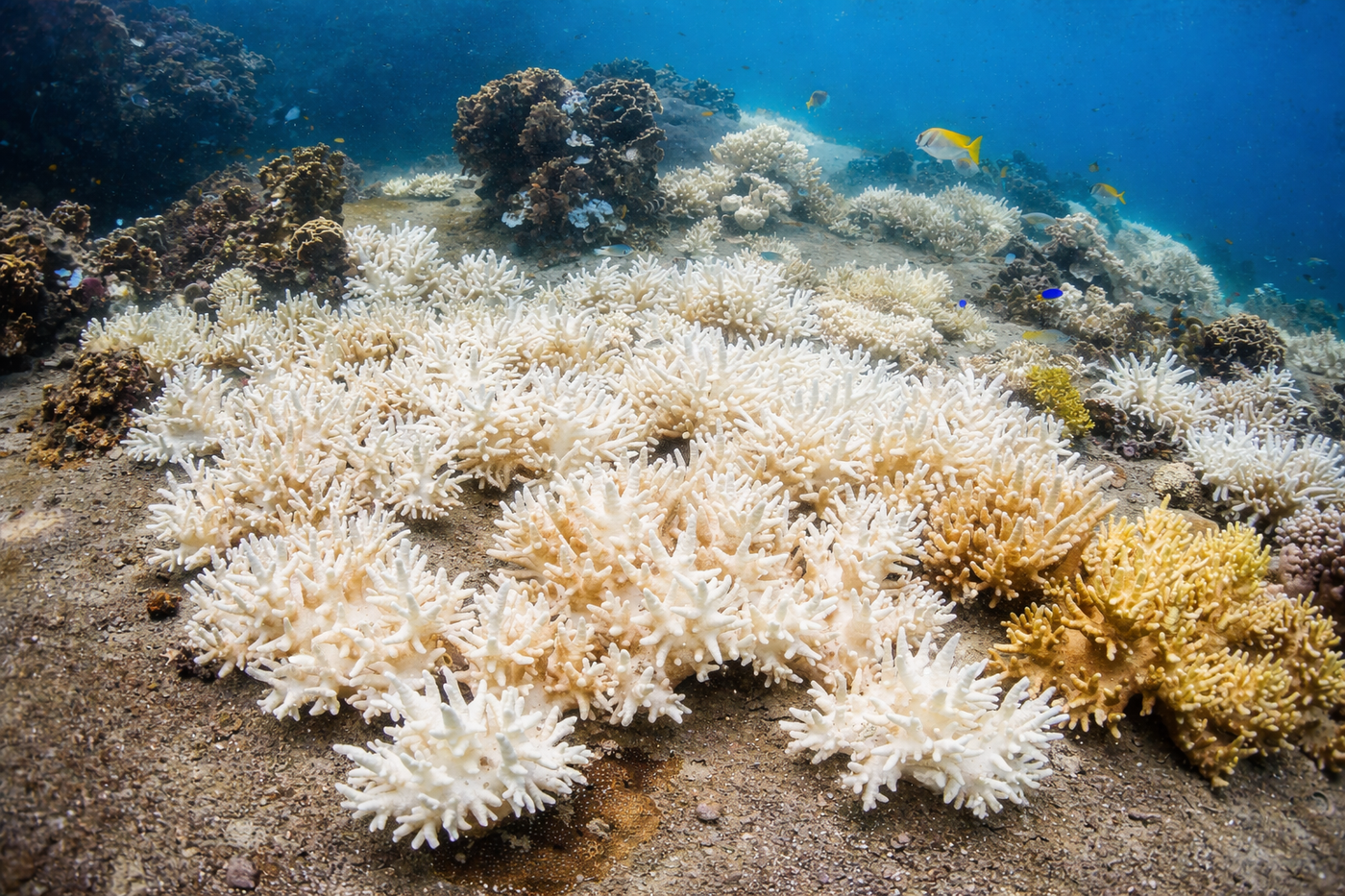
Heatwaves, marine ecosystem stress, and extreme weather in early 2026 are reshaping Southeast Asia. This article explores climate signals, regional resilience, and how Cambodia can adapt using data and AI.
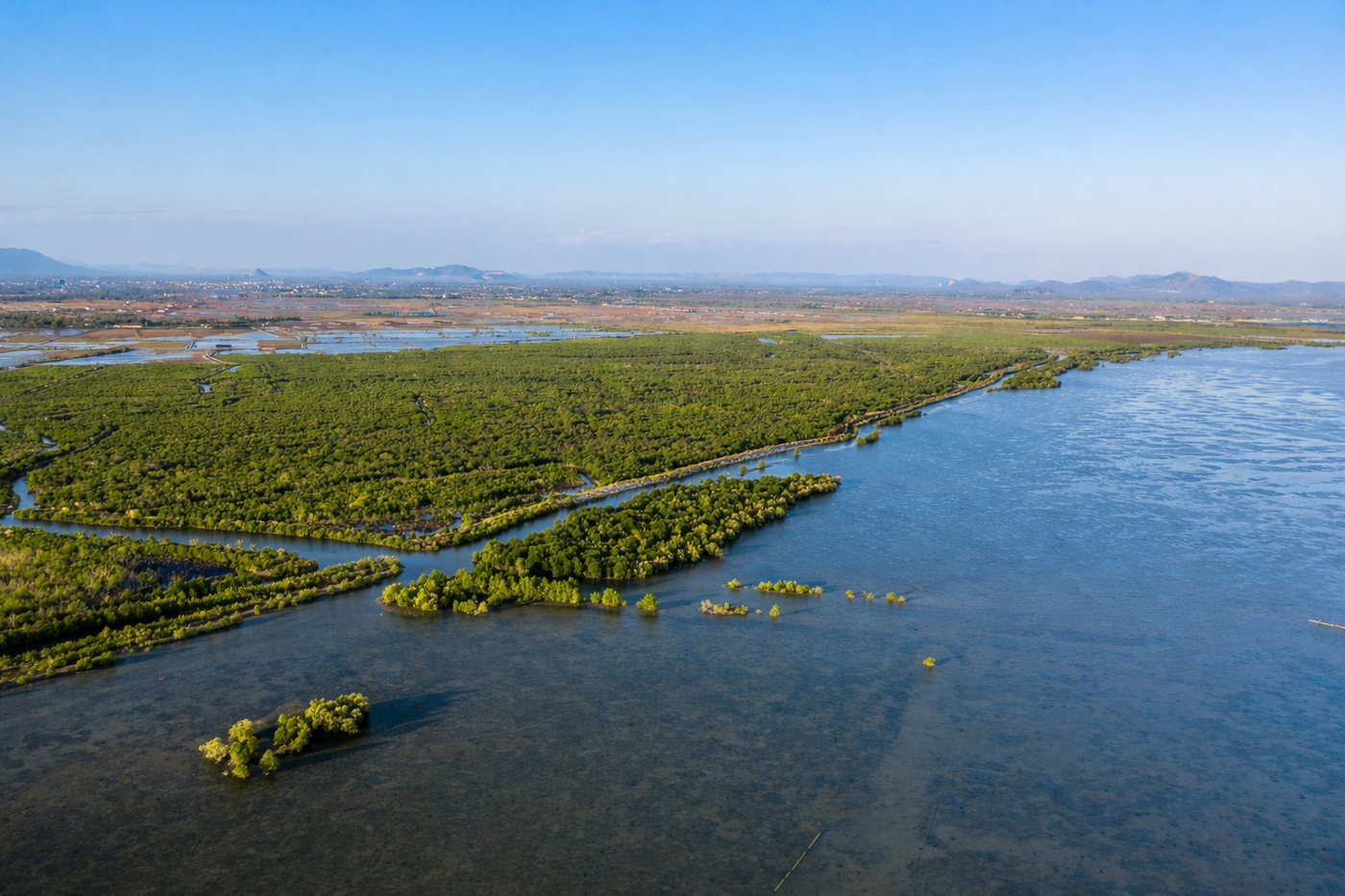
Trapeang Rung, a small village in Koh Kong Province, offers community-led boat tours through Cambodia’s mangroves, blending conservation, wildlife, and sustainable coastal living.
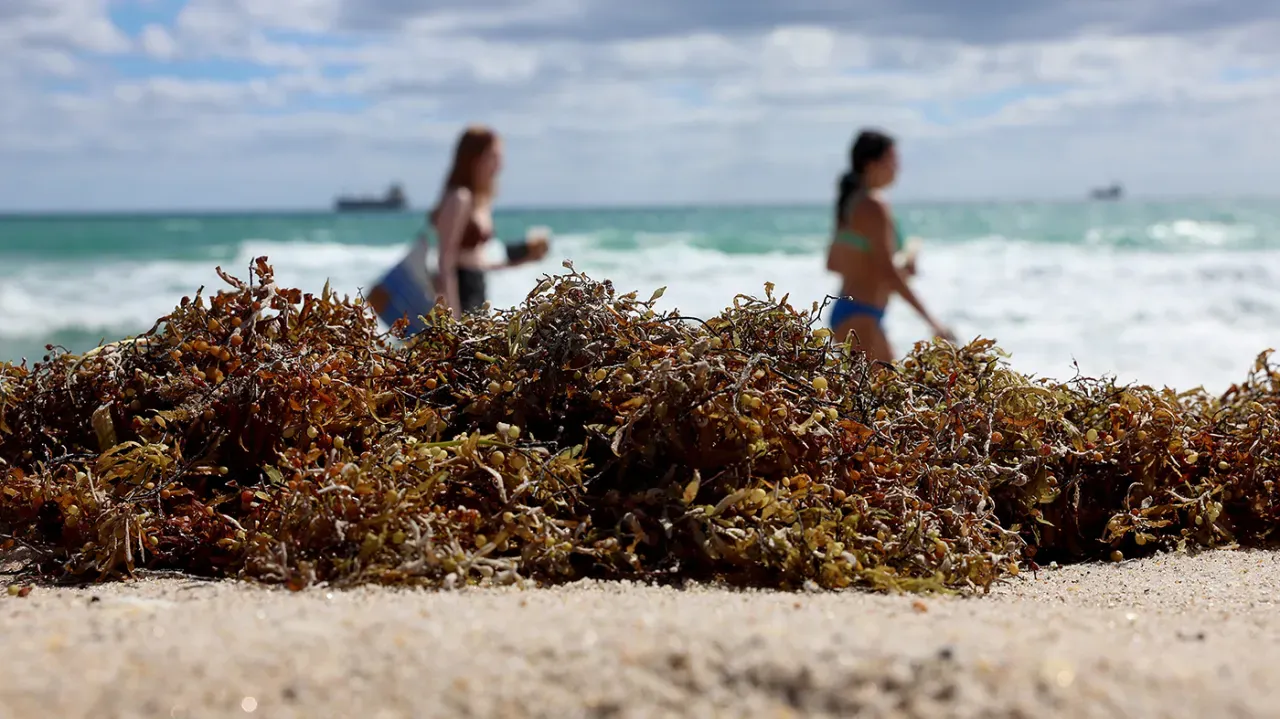
Growing sargassum and seaweed blooms are raising questions about ocean shifts in Southeast Asia. From Cambodia’s coastline, this article explores environmental impacts, regional responses, and the role of future AI-driven monitoring.
For a country shaped by water, the ocean has always held deep meaning for Cambodia. Along the Gulf of Thailand, fishing villages rise with the tide, generations earn their livelihoods from the sea, and coastal ecosystems quietly support food security and community life. Today, as the world turns its attention to ocean protection, the new…