Hun Sen Reflects on ASEAN’s Role in Cambodia’s Conflict and Path to Peace
Dieser Artikel ist in dieser Sprache noch nicht verfügbar. Sie lesen das englische Original.
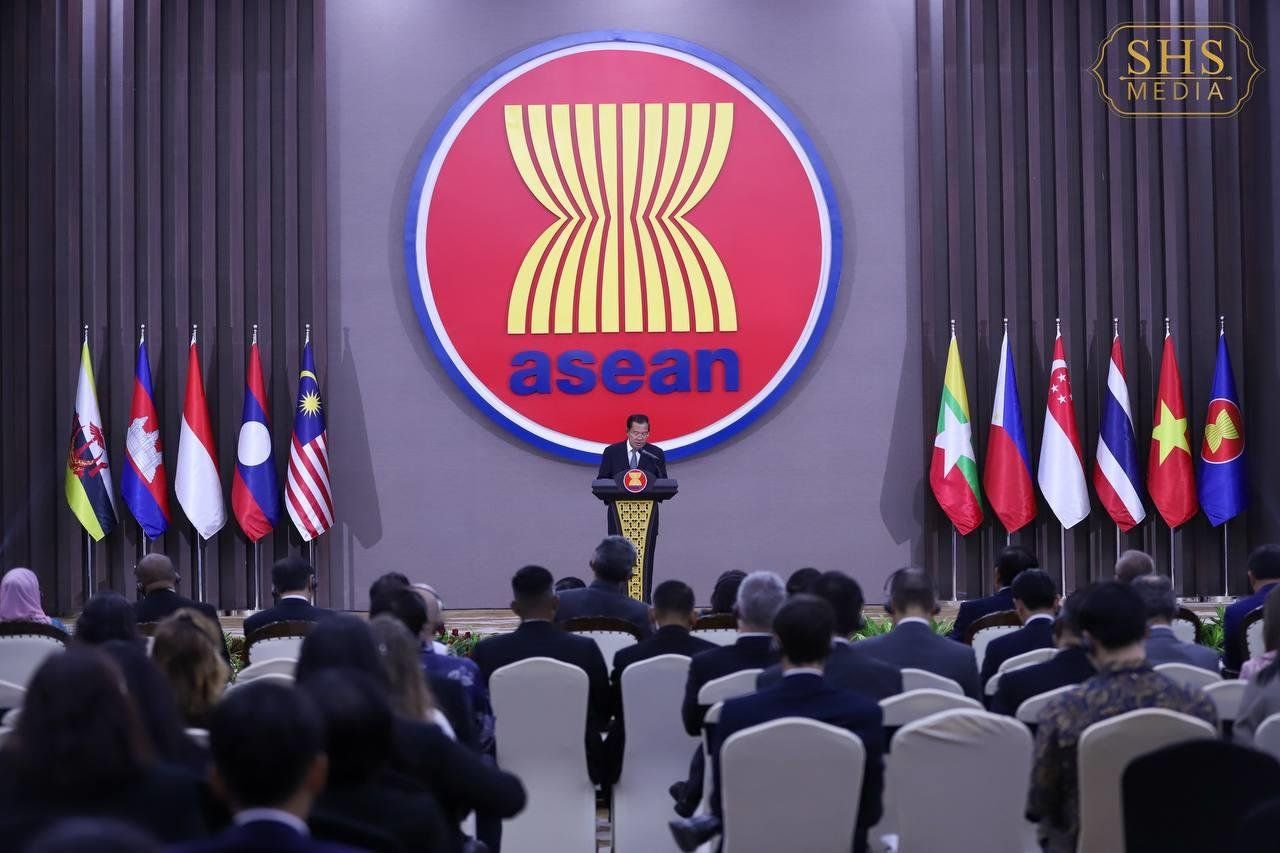
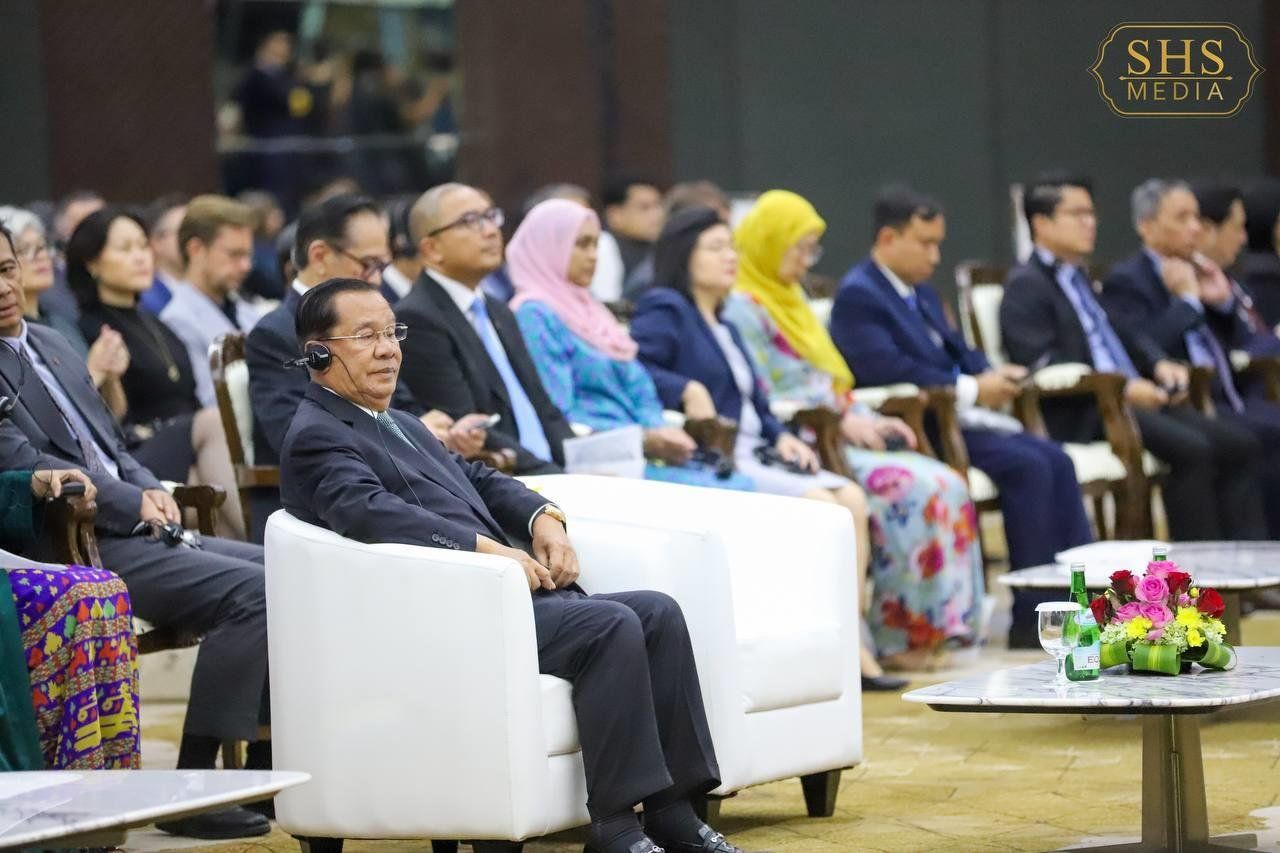
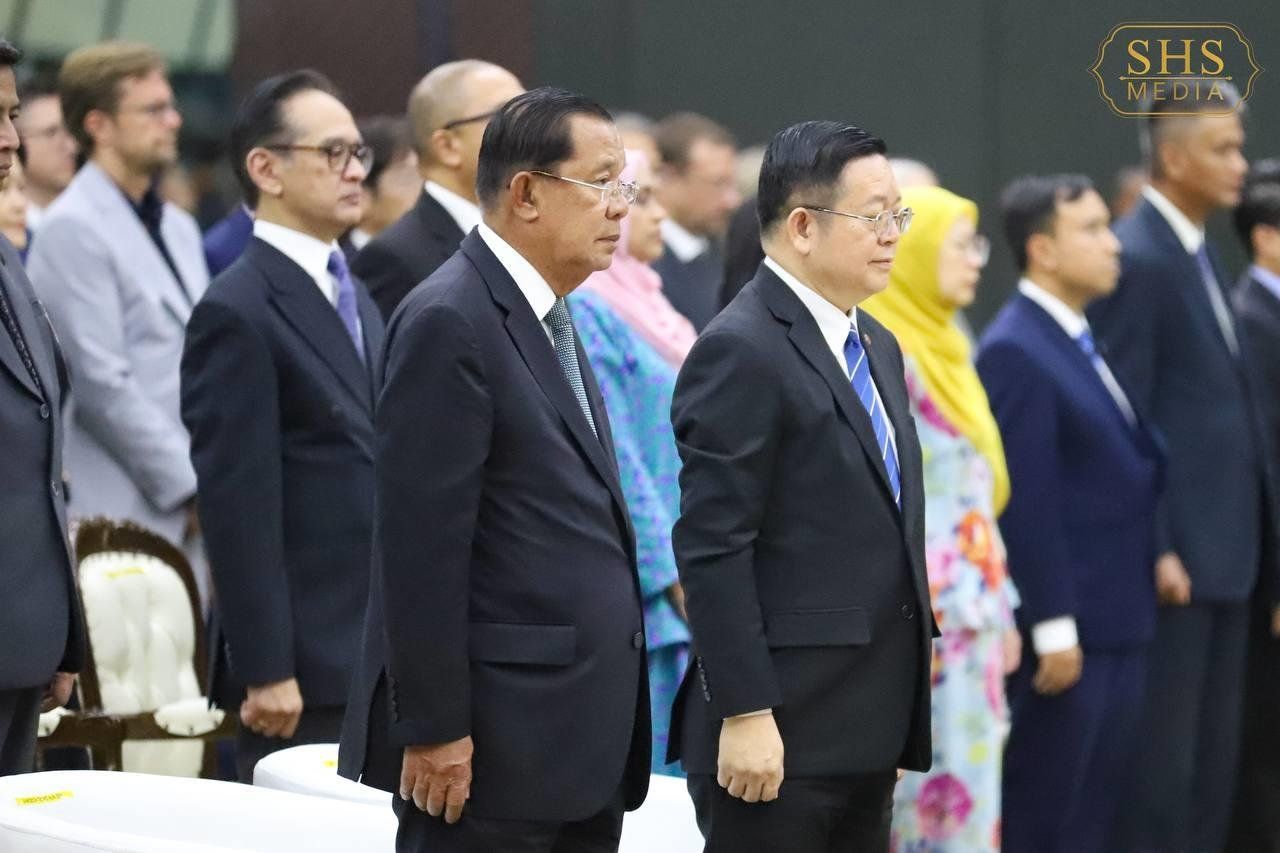
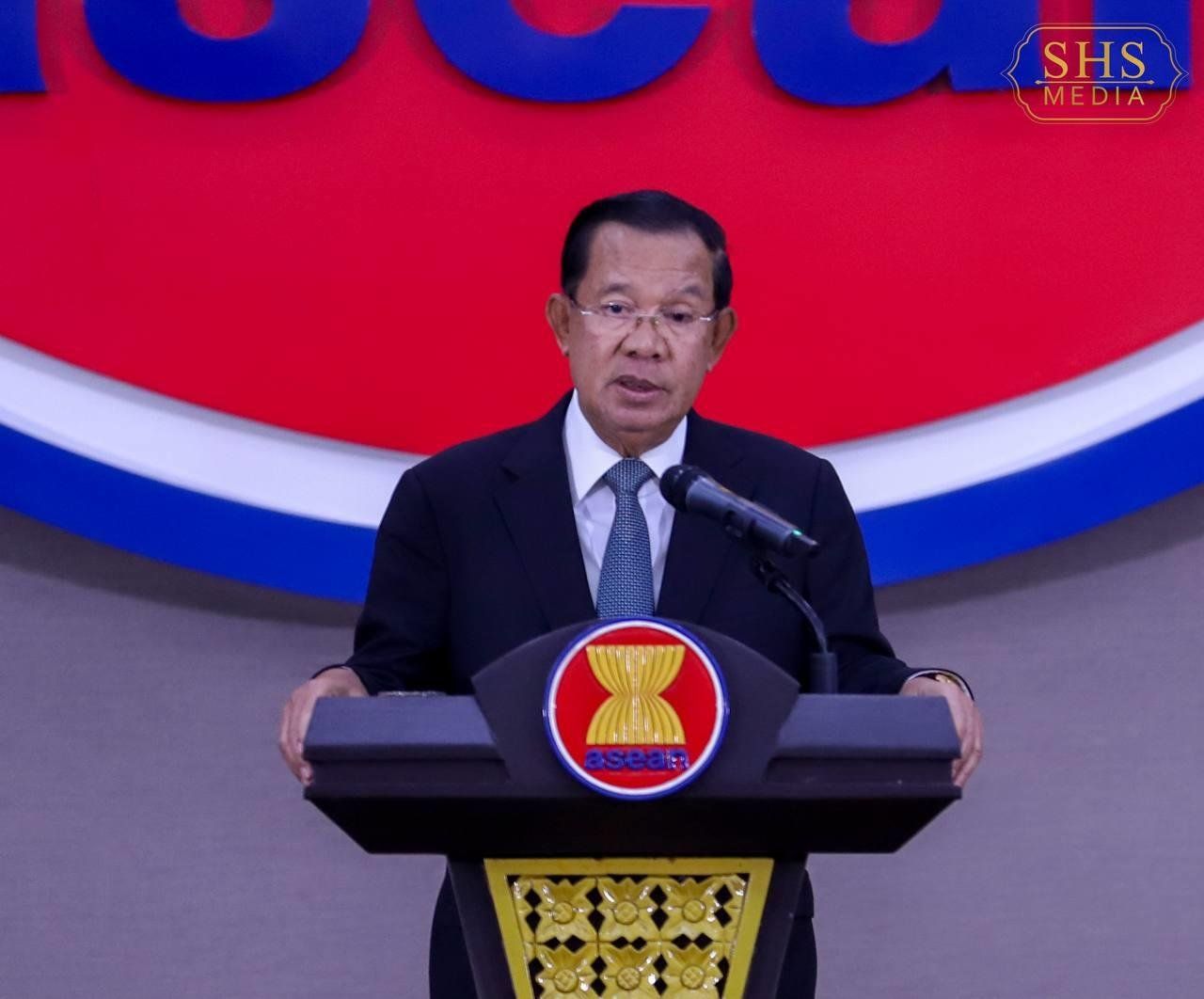
JAKARTA — In a candid policy speech delivered at the ASEAN Secretariat on May 5, Cambodian Senate President Samdech Techo Hun Sen acknowledged that ASEAN’s actions during the Cambodian civil war contributed to prolonging the conflict. However, he also recognised ASEAN’s subsequent contributions to restoring peace in Cambodia and strengthening regional unity.
The address was delivered on the occasion of the 26th anniversary of Cambodia’s accession to ASEAN, marking a key moment of reflection on the bloc’s historical involvement in the region’s turbulent past and its evolution into a platform for cooperation and reconciliation.
Samdech Techo Hun Sen, who played a central role in Cambodia’s peace process and post-war recovery, stated:
“ASEAN did contribute to prolonging the war in Cambodia. This is a truth we must acknowledge. I can say that if ASEAN had not supported the Khmer Rouge, the regime might have collapsed sooner, and the Cambodian conflict could have ended more quickly.”
He referred to ASEAN’s support for the tripartite Coalition Government of Democratic Kampuchea—which included the Khmer Rouge—as a key factor in extending the conflict. The coalition was formed with ASEAN’s backing and was granted Cambodia’s seat at the United Nations, despite widespread knowledge of the Khmer Rouge’s brutal record.
“Through certain actions, including the use of ASEAN territory to establish the coalition, the war was extended,” he added.
Hun Sen also provided broader historical context, recalling how during the Indochina War and the Viet Nam War, some ASEAN countries served as military bases for foreign powers, which led to the bombing of Cambodia, Viet Nam, and Laos.
He noted that Southeast Asia was once divided into distinct blocs: the ASEAN-5 and the Indochina bloc. Over time, however, efforts at integration and reconciliation have transformed the region into a more cohesive and peaceful community.
Despite the critical reflection, Hun Sen acknowledged ASEAN’s later role in helping to stabilise Cambodia and support its development. He praised ASEAN’s commitment to non-interference, dialogue, and consensus, which he said helped lay the foundation for lasting peace.
The remarks came as Cambodia marked over two decades as a member of ASEAN, during which it has increasingly played a more active role in regional affairs, including its chairmanship in 2022.
Hun Sen’s speech served both as a historical reckoning and a call for continued regional solidarity rooted in truth, mutual respect, and cooperation.