Krom Ngoy, The Father Of Khmer Poetry
Dieser Artikel ist in dieser Sprache noch nicht verfügbar. Sie lesen das englische Original.
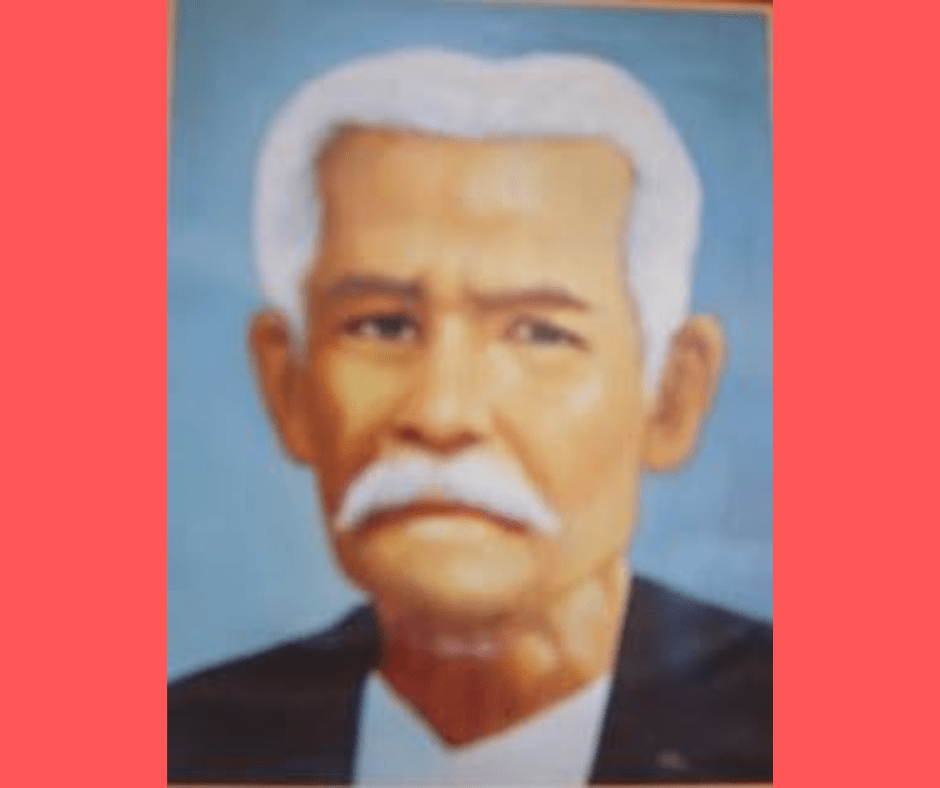
Krom Ngoy (1865 – 1936) was a well-known Khmer poet and player of “Kse Diev”, a Khmer traditional one string instrument. He was invited to perform by the then-Thai King when news of his fame in Thailand spread.
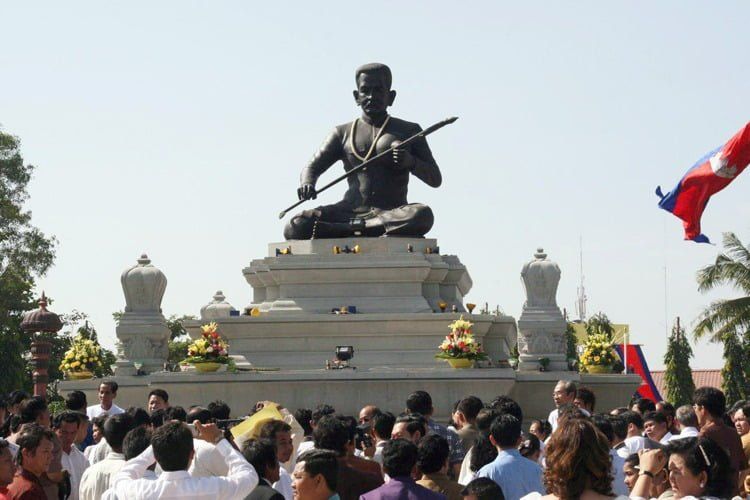
He was well-respected by the king and other authorities because of his title, “Phai-ros Loe Koern” in Thai or “Phee-rom Pheasa Ou” in Khmer, which means one who uses language very effectively.
He generally included topics in his songs or poetic teachings that were relevant to the life of the people at the time. For example, choosing a spouse, working on a farm to make a living, ignorance of the people, the consequences of inactivity and laziness, the dominance of foreigners among the Khmer people, the loss of sovereignty, and the decline of Khmer culture and literature.
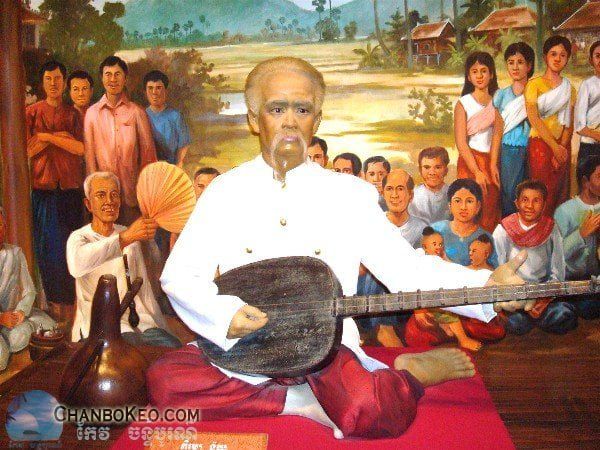
He was given the title “Neak Preah Phee-rom Pheasa Ou,” which means “the elevated one who is excellent or perfect in the use of language,” and was invited to sing for King Sisowath of Cambodia. His name was originally Ou, but the King eventually changed it to Ngoy in order to avoid confusion with another royal officer whose name was also Ou.
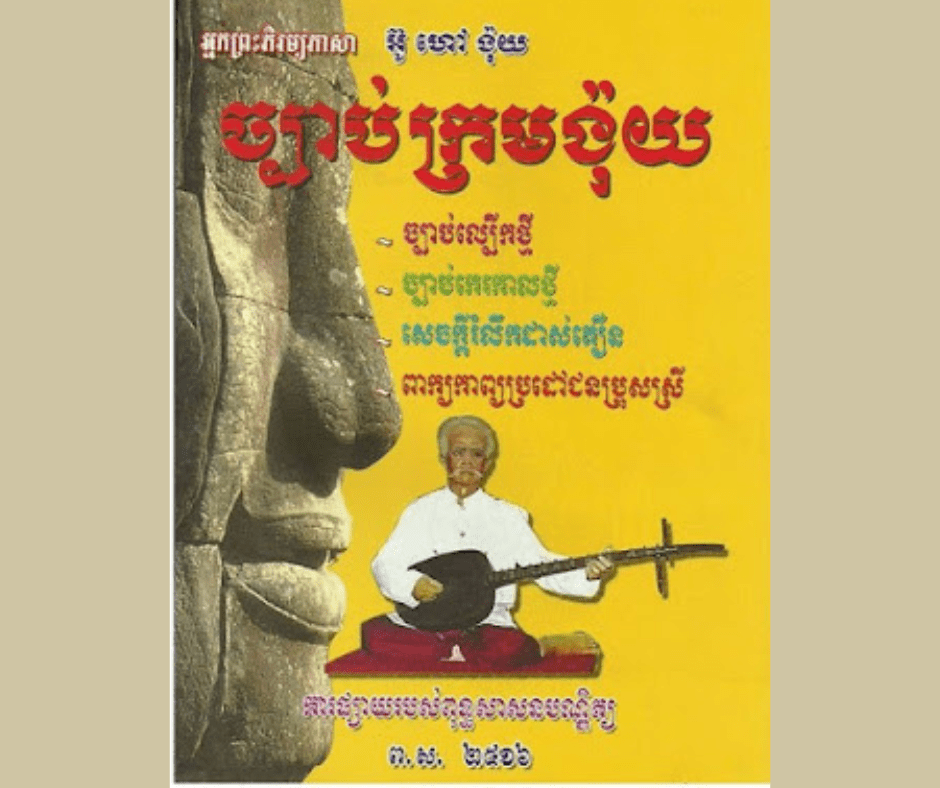
His educational poems were delivered orally, not recorded. Later, Ms. Suzanne Karpeles, the then-director of the Buddhist Institute in Phnom Penh, requested him to sing his poems slowly so that his wisdom may be preserved for future generations. The Buddhist Institute has published his poetic teachings.
He was married to a woman named In and they had six sons: Doung, Cheng, Cha, Chen, Chong, and Chev. His fifth child, Aja Chong, was gifted and carried on the family talent. Aja is a term for a teacher, wise elder, or someone who is competent in their field, especially in literature or religion.