Pauline Dy Phon: A Botanical Pioneer of Cambodia
Dieser Artikel ist in dieser Sprache noch nicht verfügbar. Sie lesen das englische Original.
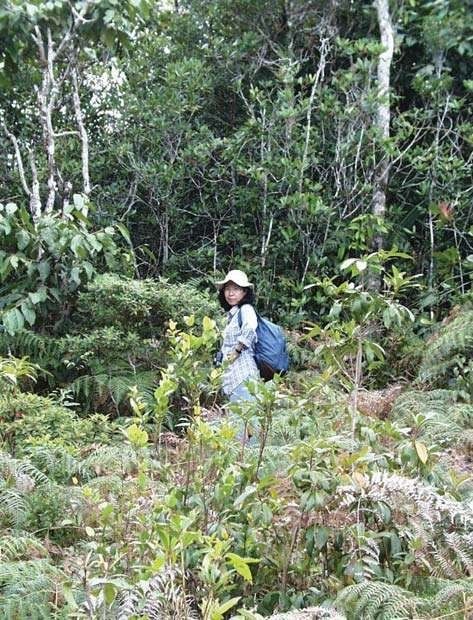
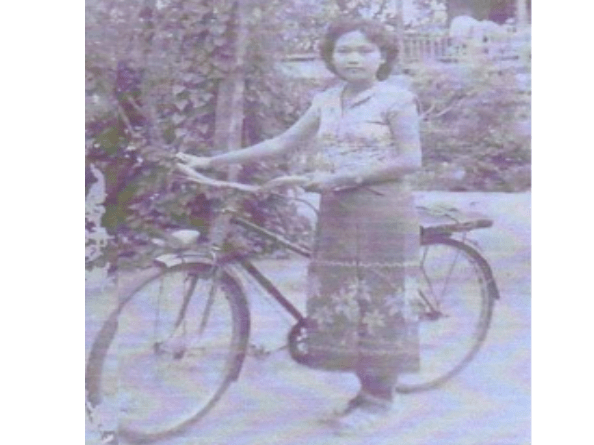
Pauline Dy Phon (1933-2010) was a remarkable Cambodian botanist whose dedication and passion for the flora of Southeast Asia left an indelible mark on the field of botany. Her life’s work encompassed extensive research, teaching, and the discovery of new plant species. Despite enduring the harrowing period of the Khmer Rouge regime, she emerged as a resilient scientist, committed to preserving and cataloging Cambodia’s rich botanical heritage.
Early Life and Education
Born in 1933, Pauline Dy Phon’s early years were marked by a deep fascination with the natural world. She pursued her higher education in France, graduating from the Paris Faculty of Sciences in 1959. Her academic journey eventually led her to Toulouse University, where she earned her doctorate in botany in 1969, establishing a solid foundation for her future contributions to the field.
Academic Career
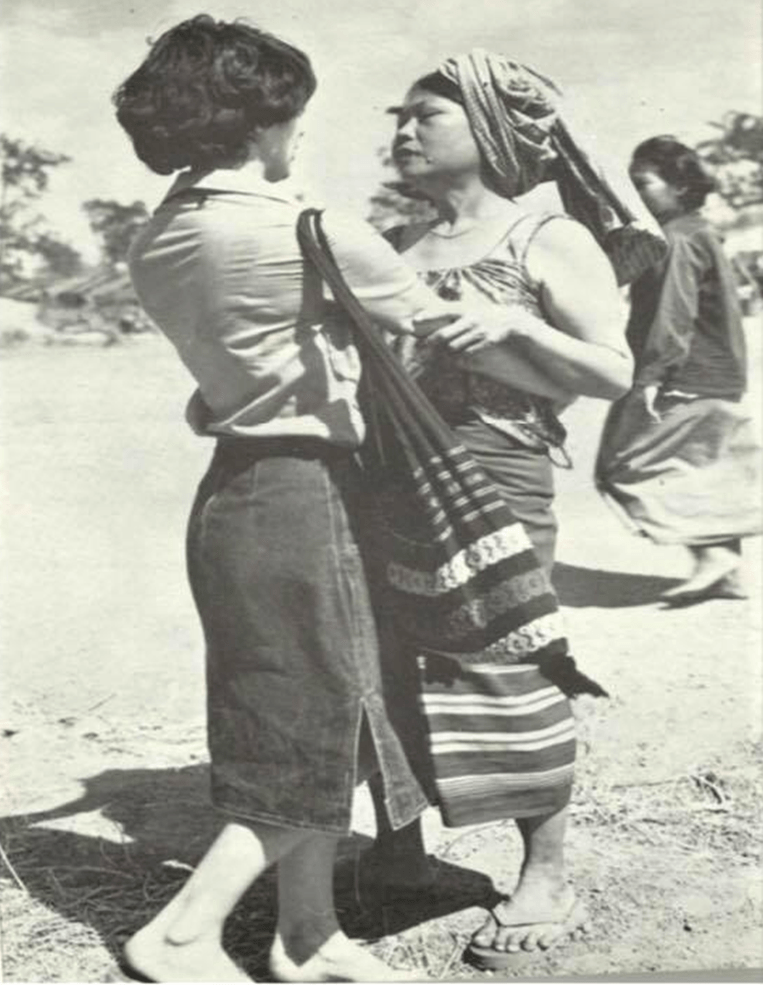
Upon returning to Cambodia, Pauline Dy Phon began her career as an educator and researcher. She taught at Phnom Penh Lycée Sisowath before joining the University of Phnom Penh as a teacher and researcher. Her expertise and dedication to her work soon earned her recognition as one of the few women botanists in the region.
Research and Discoveries
Pauline Dy Phon’s research was focused on the flora of Cambodia and Indochina. Her contributions included the identification and classification of various plant species, with a particular emphasis on Papilionaceae, Euchresta Bennet, Gueldenstaedtia Fischer, Medicago Linné, Parochetus Buchanan Hamilton, and Tifidacanthus Merril. Her discoveries added to the understanding of the region’s diverse plant life.
Surviving the Khmer Rouge Regime
One of the most challenging chapters in Pauline Dy Phon’s life was her survival of the Khmer Rouge regime. Her personal account of this period, published in 1982, provided insights into the role of plants in the Khmer diet during normal times and times of famine. Her resilience and determination to continue her botanical work even after these traumatic experiences showcased her unwavering commitment to the field.
Return to Cambodia
In 1994, Pauline Dy Phon returned to Cambodia, where she continued her research and published significant works that contributed to the documentation of the country’s plant species. Notably, her 2000 publication, “Dictionary of Plants Used in Cambodia,” was a comprehensive reference in French, English, and Khmer, reflecting her dedication to making botanical knowledge accessible.
Legacy
Pauline Dy Phon’s legacy extends beyond her academic contributions. She inspired future generations of botanists and researchers in Cambodia and Southeast Asia. Her tireless efforts to preserve and disseminate knowledge about the region’s plant life have left an enduring mark on the field of botany.
Dr. Pauline Dy Phon’s life and work serve as a testament to the power of passion, perseverance, and dedication in the pursuit of scientific knowledge. Her contributions to the study of Southeast Asian flora continue to be celebrated, and her legacy lives on in the hearts of those who share her love for the natural world.