PM Hun Manet Approves 6,000-Hectare Agro-Industrial Project in Stung Treng
Dieser Artikel ist in dieser Sprache noch nicht verfügbar. Sie lesen das englische Original.
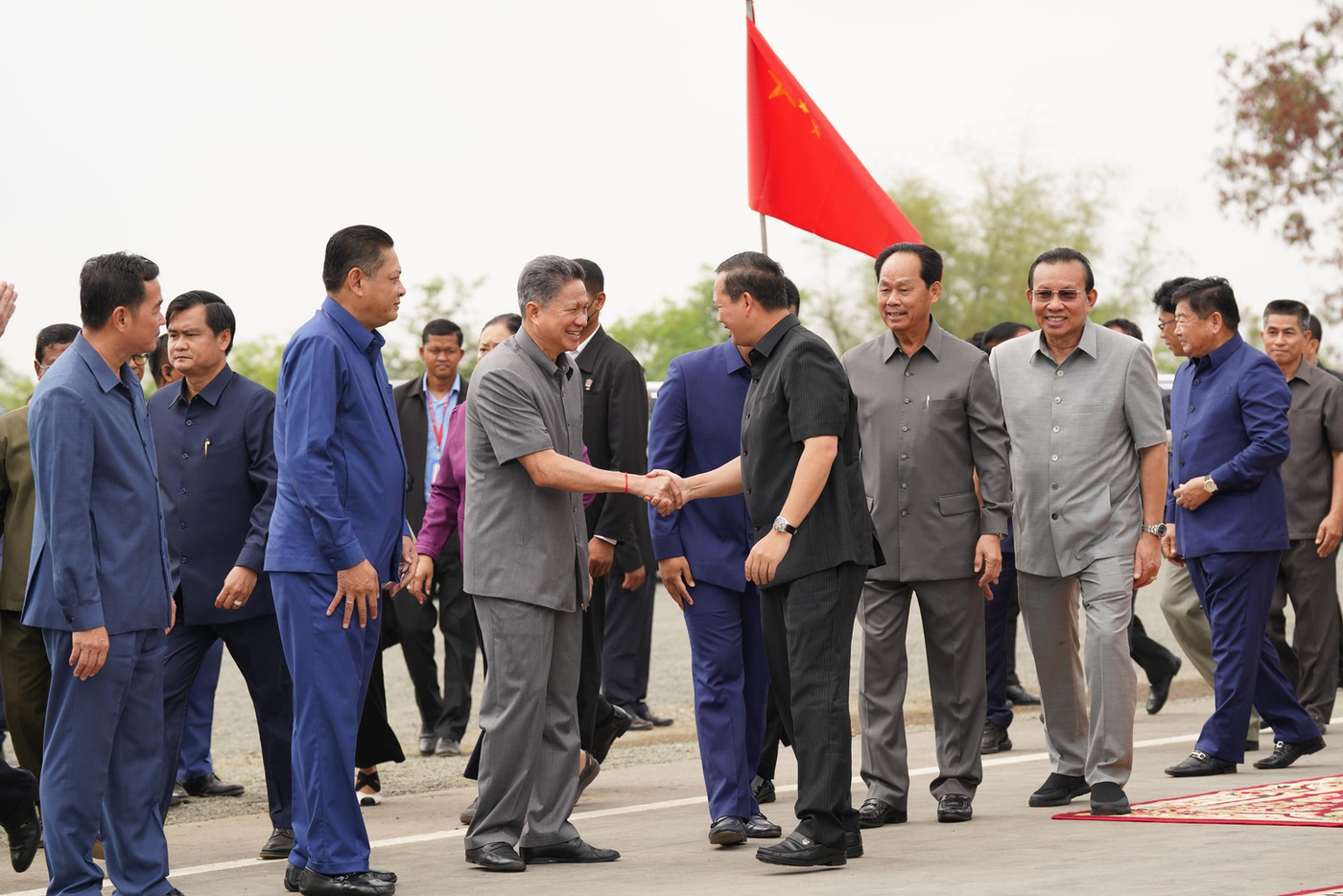
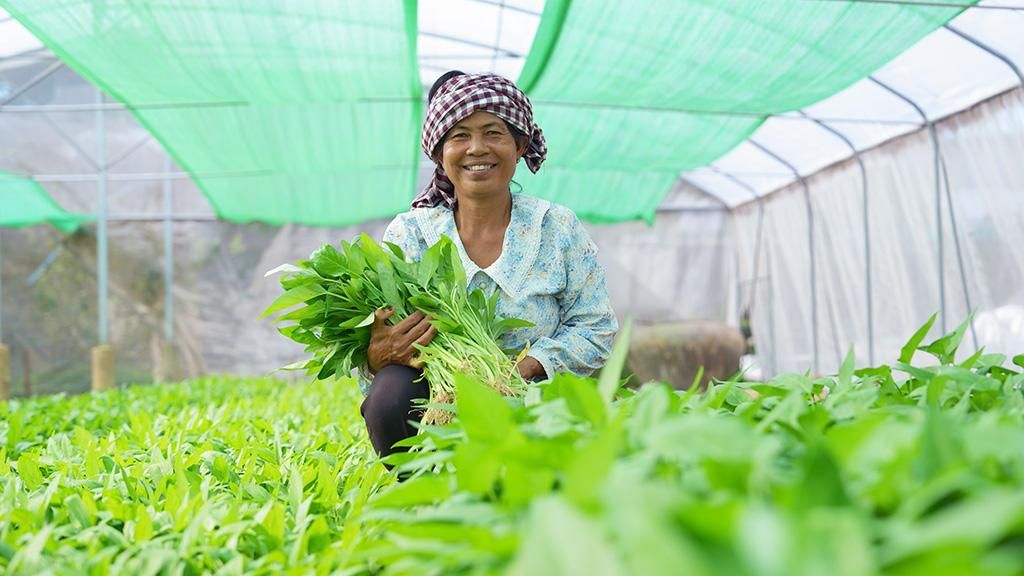
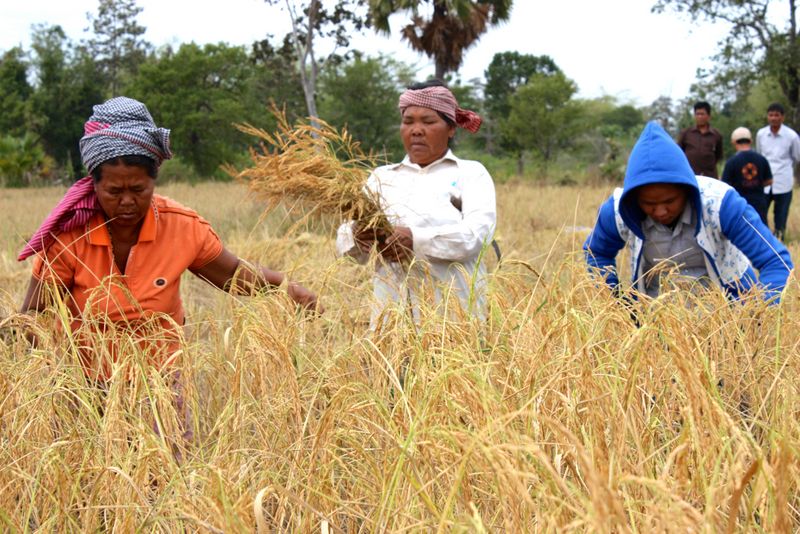
Tboung Khmum, Apr. 12 – Cambodian Prime Minister Hun Manet has approved the allocation of more than 6,000 hectares of land in Stung Treng province for a private company to launch an agricultural investment project, including the development of an agro-industrial factory.
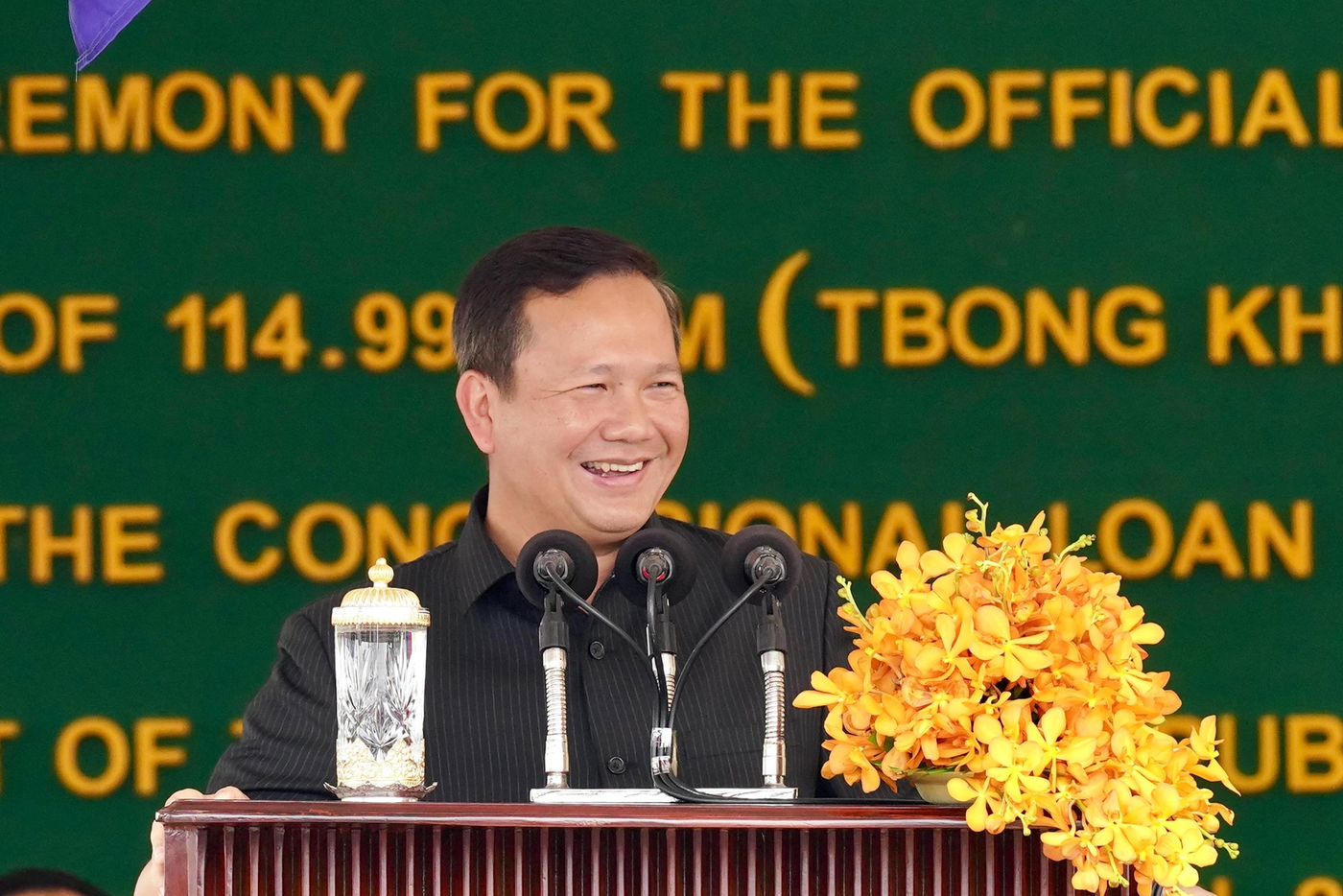
The announcement was made on Saturday during the official inauguration ceremony of National Road 71C, a vital link connecting Tbong Khmum and Kampong Cham provinces.
Speaking at the event, Samdech Thipadei Hun Manet stated, “This evening, I approved over 6,000 hectares of land for investment in Stung Treng. A company will use this area to conduct agricultural activities and build a factory. This project is expected to contribute significantly to the transformation of Stung Treng into an agro-industrial hub.”
The Prime Minister highlighted the government’s commitment to unlocking the economic potential of remote areas through infrastructure development. “There was a time when many provinces were considered isolated. Today, although they may still be physically distant, they are no longer disconnected. Our expanding road networks have connected the capital with every province, creating new opportunities across the country.”
He added that modern infrastructure has reduced travel time and improved access. “Even though the physical distance remains unchanged—150 kilometres is still 150 kilometres—better roads make journeys faster and more efficient.”
Samdech Thipadei also reiterated the government’s continued investment in the northeastern provinces, including Mondulkiri, Ratanakkiri, Kratie, and Stung Treng. Future road infrastructure projects in these areas aim to further enhance national connectivity and support regional integration.