Where Cambodia Stands in China’s $17.7 Billion ASEAN Automotive Bet
Dieser Artikel ist in dieser Sprache noch nicht verfügbar. Sie lesen das englische Original.
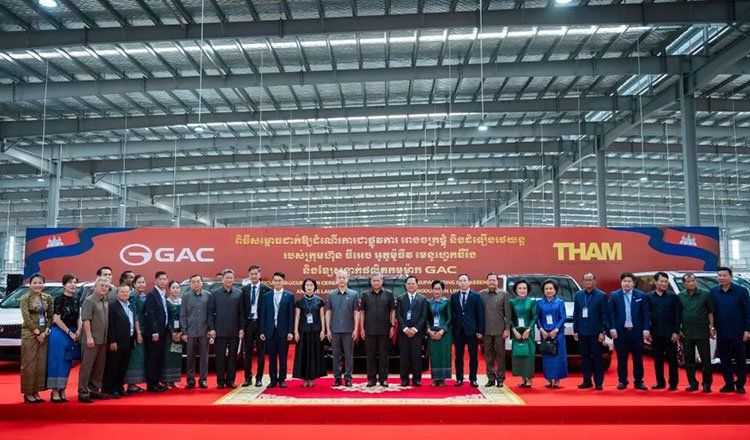
PHNOM PENH — As China’s automotive industry pledges $17.71 billion in investments across Southeast Asia between 2021 and 2026, a vast majority of those funds have concentrated in primary hubs like Indonesia, Thailand, Malaysia, and Vietnam. Recent industry analyses place Cambodia in a distinct developmental tier, highlighting a dynamic mix of local capital assembly projects and multibillion-dollar component manufacturing.
Local Assembly Meets Multibillion-Dollar Tyre Exports
While regional giants focus heavily on large-scale electric vehicle assembly and battery production backed by strict local-content rules, Cambodia’s landscape features distinct characteristics:
- Domestically Funded Assembly: Cambodia hosts active automotive assembly ventures where local capital plays a major role in establishing lines for international brands, including Chinese badge models.
- The Dominance of Tyre Manufacturing: Chinese investments in Cambodian tyre plants have surpassed $2.3 billion—significantly outweighing capital in vehicle assembly alone. This has turned rubber components into a major export category heading toward international markets like the United States.
- Component Import Dynamics: Industry leaders note that while vehicle assembly continues to expand, the country currently imports the vast majority of its raw components, steering strategic policy discussions toward long-term component manufacturing and regional supply chain integration.
Also Read, Cambodia Pushes for Women’s Market Access and Digital Inclusion at ASEAN Summit