Cambodia Advances in Agricultural Export and Infrastructure Development
Cet article n’est pas encore disponible en français. Vous lisez la version originale en anglais.
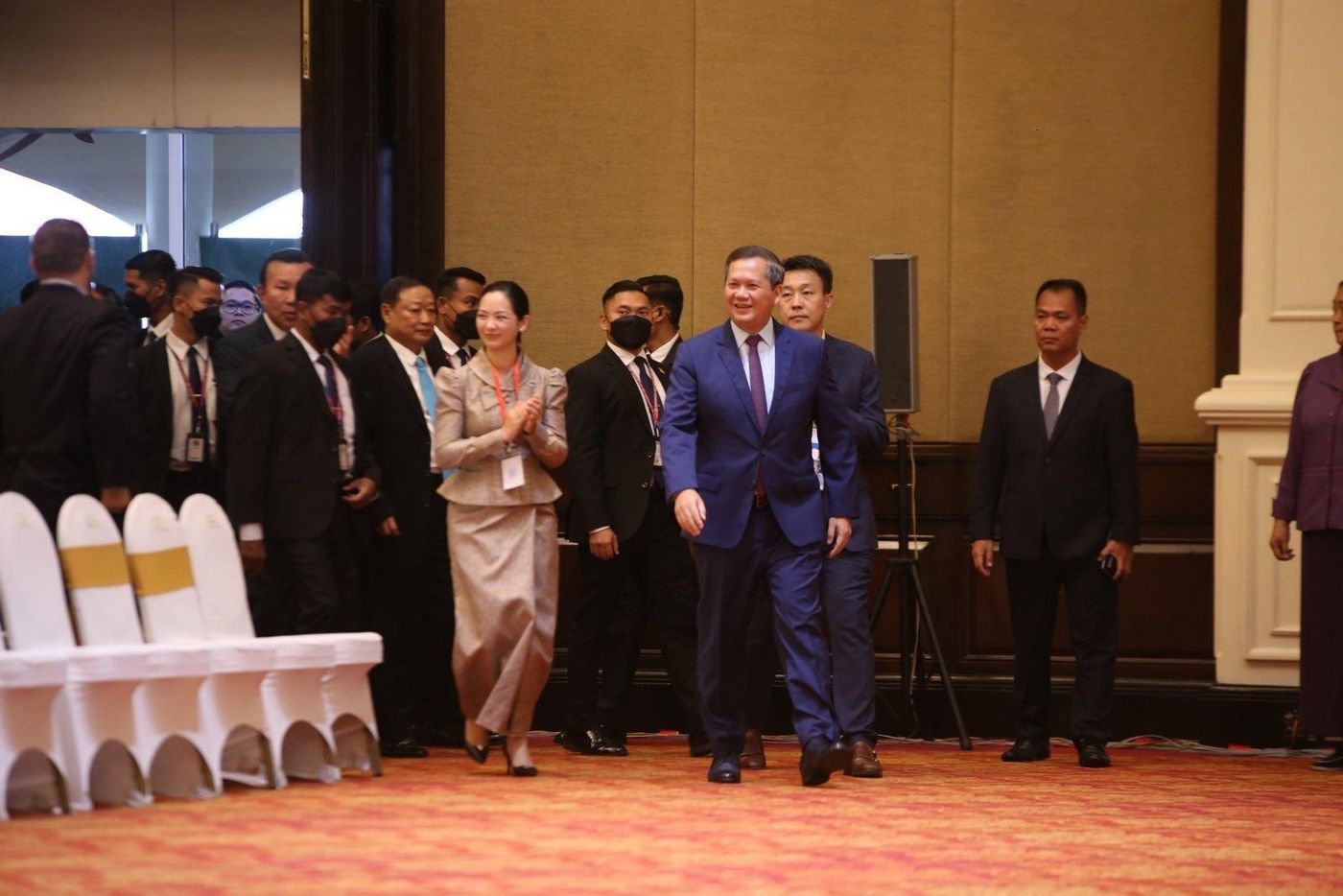
The Cambodian Prime Minister Hun Manet has emphasized the country’s growing integration into the global economy through numerous duty-free markets for processed exports and significant developments in infrastructure that support both domestic and international trade. His announcement reflects Cambodia’s increasing focus on enhancing the nation’s economy through strategic trade partnerships, infrastructure development, and support for the agricultural sector.
During the 7th Cambodia Rice Forum in Phnom Penh, PM Manet detailed the efforts Cambodia is making to ensure its products, particularly processed agricultural goods, reach international markets without the burden of import duties. Emphasizing the new investment law, he outlined the substantial incentives it offers, encouraging the private sector to process for export, which is particularly fruitful when utilizing local raw materials.
Underlining the importance of product quality and competitive pricing, the premier expressed confidence in penetrating Western markets and called for continued exploration of new high potential value-added markets. This can be facilitated by trade agreements such as the Cambodia-China Free Trade Agreement (CCFTA), Cambodia-South Korea Free Trade Agreement (CKFTA), and the Comprehensive Economic Partnership Agreement (CEPA) with the United Arab Emirates, in addition to tapping into the burgeoning halal market.
The government’s commitment to the agricultural sector was highlighted by the plan to deploy 1,000 local agricultural officers by 2025. These experts will assist farmers in community-communes across the country. By enhancing cultivation techniques and productivity, the initiative aims to reduce costs and boost farmers’ incomes. Moreover, PM Manet noted the consistent support provided to the rice industry through various incentives, including soft loans, tax exemptions, and the elimination of duties on imported agricultural equipment and machinery.
As part of this comprehensive economic strategy, the Funan Techo Canal, an irrigation and logistics project set to revolutionize the transport of agricultural products, was given special mention. Expected to dramatically reduce transportation costs, the Canal is anticipated to decrease market prices, consequently improving the competitiveness of Cambodian goods abroad. The project, starting construction in August 2024, is also forecasted to generate considerable socio-economic benefits such as enhanced political independence in water transportation, reduced environmental emissions, and the creation of new aquatic habitats, with an expected yield of 1,000 tonnes of fish per year.
In a reflection of Cambodia’s export growth, Hun Manet pointed out the marked change from 30 years ago when Cambodian products were absent from international markets, such as the United States. The PM took pride in the variety of goods now exported globally, including garments, textiles, bags, jewelry, and electrical components. This diversification of export goods demonstrates a significant achievement of a nation that has seen its export values swell to over USD 17 billion in the first eight months of 2024, marking a significant increase from the previous year.
The Cambodian premier also praised the initiative to develop modern agricultural communities under the Ministry of Agriculture, Forestry, and Fisheries, expressing a strong interest in personal site-inspections. These communities are part of a strategic vision to modernize Cambodia’s agricultural practices, transitioning from small-scale operations to large, integrated agricultural economies that improve both the quantity and quality of production. This initiative is also aimed at bettering farmers’ living standards and promoting sustainable, eco-friendly agriculture.
Collectively, these efforts underscore Cambodia’s determination to bolster its economy through careful planning in agricultural innovation and trade, and in modernizing infrastructure. With a firm focus on enhancing the competitiveness of its agricultural sector, fostering strategic international partnerships, and improving logistical efficiencies, Cambodia is poised for continued economic progress and an enhanced global presence.
Source: Fresh News