Banteay Meanchey Releases 200,000 Fish Into the Sisophon River Conservation Area
Banteay Meanchey province released 200,000 young and breeding fish of nine native species into the Stung Sisophon conservation area on 25 October, as part of a community effort to rebuild local fish stocks.
Cet article n’est pas encore disponible en français. Vous lisez la version originale en anglais.
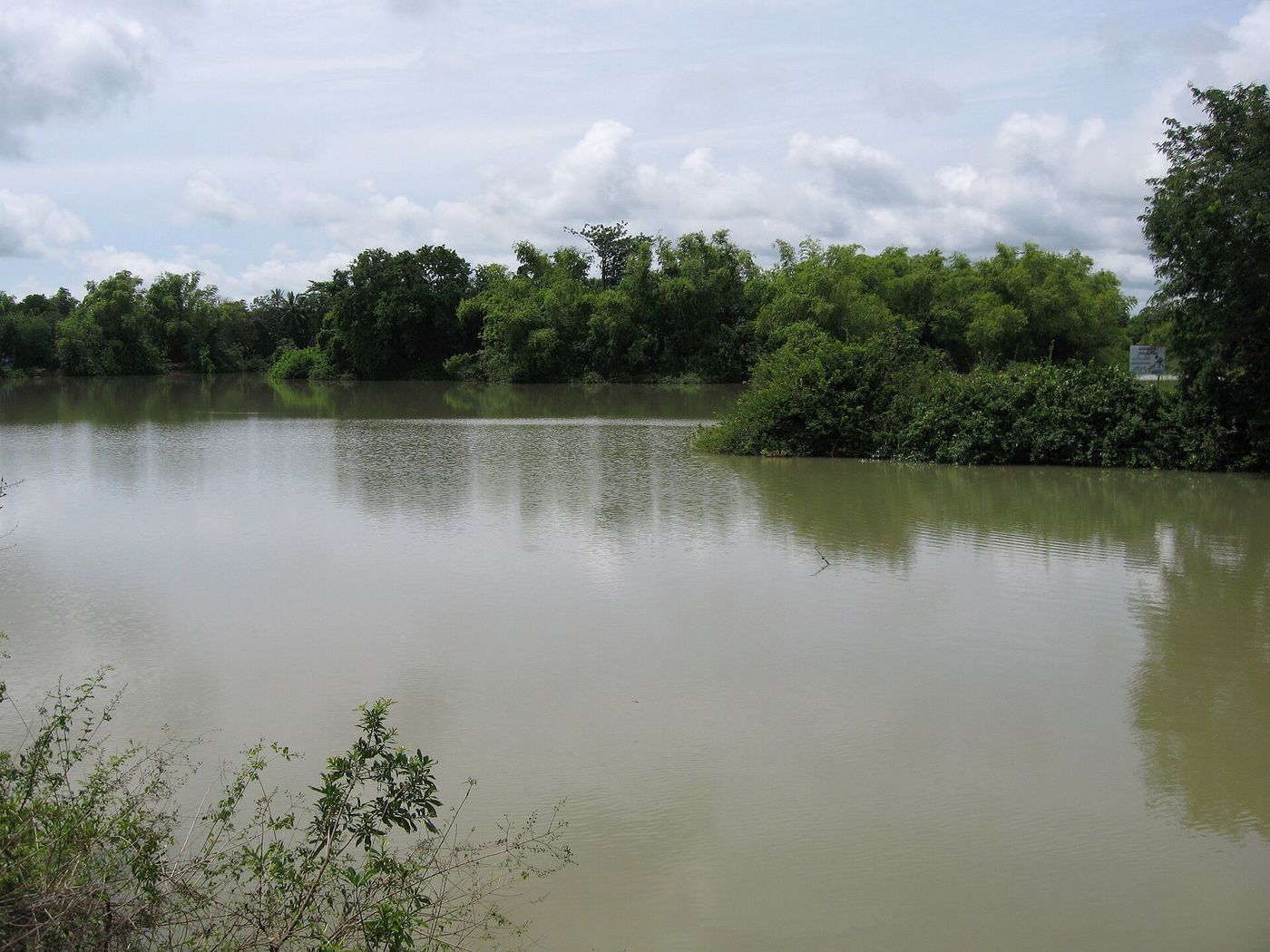
Banteay Meanchey province released 200,000 fish into the Stung Sisophon conservation area on the morning of Sunday 25 October 2026, in a community event aimed at restoring fishery resources and keeping native species thriving in the wild. The release was staged from the grounds of Svay Chas Pagoda in Preah Ponlea sangkat, Serei Saophoan city, and was organised by the Provincial Department of Agriculture, Forestry and Fisheries together with the Serei Saophoan city administration.
Key points
- 200,000 fish, both fry and breeding adults, were released on the morning of 25 October 2026.
- The release took place in the Stung Sisophon conservation area in Serei Saophoan city, Banteay Meanchey province.
- Nine native freshwater species were included in the release.
- More than 300 residents joined officials, soldiers, youth groups, Red Cross volunteers, teachers and students.
- The provincial agriculture department organised the event with the Serei Saophoan city administration.
The fish set free included both young fry and mature breeding fish, drawn from nine native freshwater species that are part of everyday life and diets in northwest Cambodia. Releasing breeding adults alongside fry is intended to give the river a head start, adding fish that can spawn in the coming seasons as well as a new generation to grow up in the protected stretch of water.
A whole community at the riverbank
The event drew a broad cross-section of the province. Provincial and city officials attended alongside members of the armed forces, local authorities, youth groups, Red Cross representatives, teachers and students, and more than 300 local residents. The event was supported by the company Ganzberg.
The deputy provincial governor who presided, representing the governor of Banteay Meanchey, told the gathering that protecting the river's fish is a responsibility shared by everyone, not a task for the authorities alone. The release, officials said, was also meant to raise public awareness of how valuable natural resources are to local livelihoods, food security and the health of the wider environment.
Simple habits that help fish stocks recover
Residents were encouraged to play an active part in looking after the conservation area. The message to communities was practical: stop using illegal fishing gear, avoid catching fish during the breeding season so that stocks have a chance to replenish, and help keep watch over the protected zone.
Conservation areas such as this one give fish a safe place to feed, breed and grow, and the fish that mature there can then spread into surrounding waters that local families fish for food and income. Regular releases, combined with community protection, are one of the ways Cambodian provinces are working to keep inland fisheries productive for the future.
Freshwater fish are central to Cambodian cooking, from everyday soups and grilled fish to fermented specialities, and healthy rivers and lakes remain important to rural households across the country. Sunday's release on the Sisophon river is a small but tangible step towards keeping that resource in good health for the next generation.
Sources: Agence Kampuchea Presse (AKP).
Frequently asked questions
How many fish did Banteay Meanchey release?
The province released 200,000 fish, a mix of young fry and mature breeding fish from nine native freshwater species.
Where did the fish release take place?
In the Stung Sisophon conservation area, with the ceremony held at Svay Chas Pagoda in Preah Ponlea sangkat, Serei Saophoan city, Banteay Meanchey province.
How can residents help protect the fish?
Communities were asked not to use illegal fishing gear, to avoid fishing during the breeding season, and to help protect the conservation area.