Work Begins on Cambodia Agricultural Science Academy and National Laboratory Building in Takhmao
Cambodia has broken ground in Takhmao on a secretariat for the new Cambodia Agricultural Science Academy and a biochemistry building for the National Agricultural Laboratory, bringing the country's farm, forestry and fisheries research under one roof.
Cet article n’est pas encore disponible en français. Vous lisez la version originale en anglais.
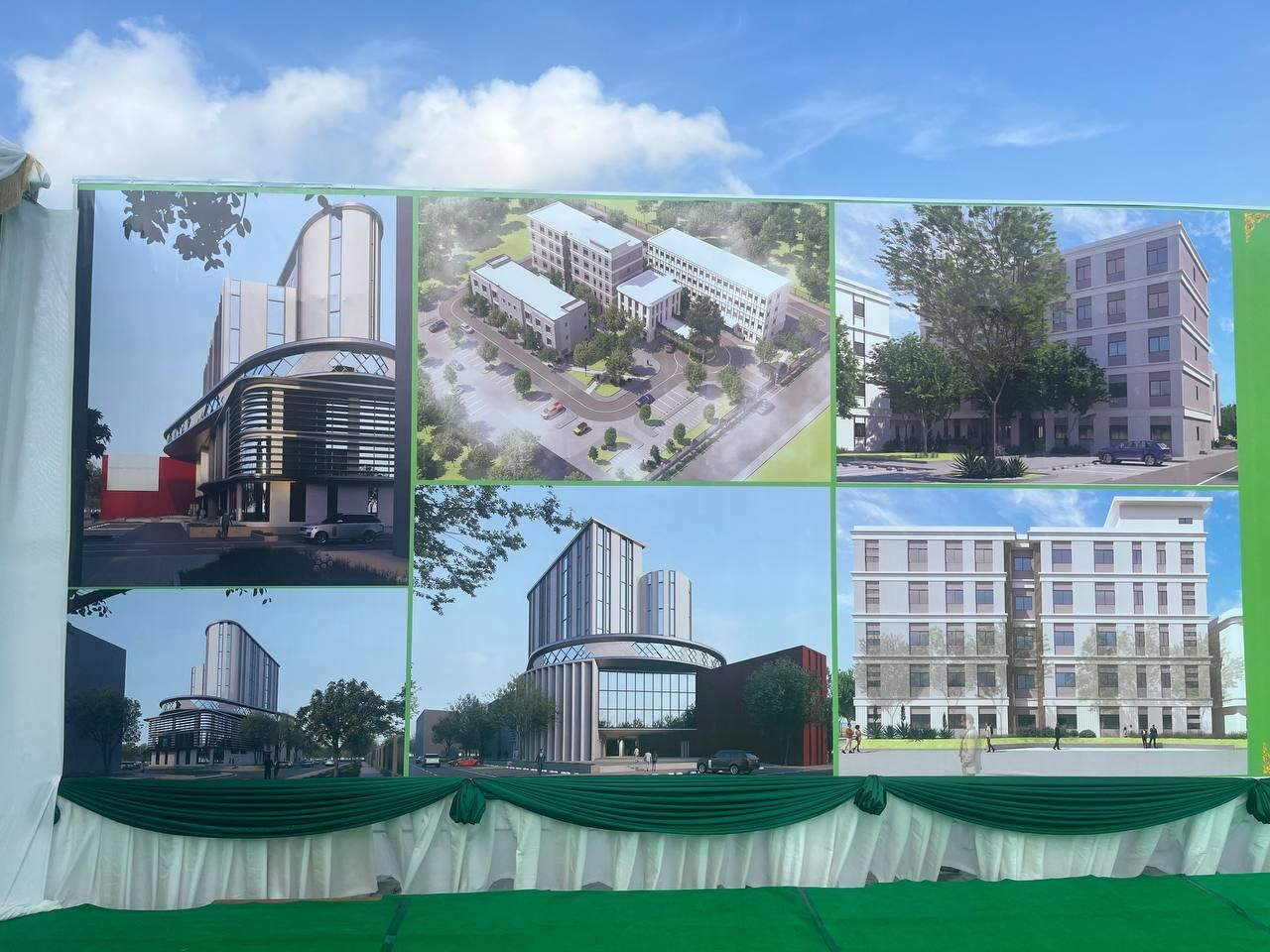
Cambodia's Ministry of Agriculture, Forestry and Fisheries broke ground on Monday, 26 October 2026, on two buildings that will anchor the country's agricultural research for years to come: a secretariat for the new Cambodia Agricultural Science Academy (CASA) and a biochemistry building for the National Agricultural Laboratory. H.E. Dith Tina, Minister of Agriculture, Forestry and Fisheries, presided over the ceremony in Prek Pring village, Setbo commune, Takhmao town, in Kandal province.
Key points
- Ground was broken on 26 October 2026 in Prek Pring village, Setbo commune, Takhmao town, near Techo International Airport.
- The projects are a secretariat for the Cambodia Agricultural Science Academy (CASA) and a biochemistry building for the National Agricultural Laboratory.
- H.E. Dith Tina, Minister of Agriculture, Forestry and Fisheries, presided over the ceremony.
- A government sub-decree issued in March brings research institutes for agriculture, forestry, livestock and fisheries together under CASA.
The site lies close to Techo International Airport, Cambodia's new main gateway south of Phnom Penh, giving the academy a strategic home on the edge of the capital. Architectural renderings displayed at the ceremony showed a campus of modern multi-storey buildings set among trees and green space.
One academy for farm, forest and fisheries science
CASA was created by a government sub-decree issued in March, which brings a range of research institutes working on crops, forestry, livestock and fisheries together under a single academy. Among the bodies grouped within it are the newly established Fisheries-Aquaculture Research and Development Institute, alongside the existing Cambodian Agronomy Research and Development Institute and the Cambodian Rubber Research Institute.
Bringing these institutes under one umbrella is intended to give Cambodian agricultural science a clearer structure and a stronger voice. A shared secretariat should make it easier for researchers in different fields to coordinate their work, share facilities and focus on the questions that matter most to the country's farmers, fishers and agribusinesses.
Stronger testing for a growing farm economy
The second building, a biochemistry facility for the National Agricultural Laboratory, adds laboratory capacity to the ministry's scientific work. Reliable testing and analysis are central to modern agriculture, from checking soil and crops to supporting the quality and safety standards that buyers at home and abroad expect.
The investment arrives as Cambodian agriculture continues to grow in importance. Strengthening research and laboratory services is one of the ways the Kingdom aims to turn that momentum into higher yields, better products and greater resilience for rural communities.
For Cambodia's farmers, the new academy and laboratory represent a long-term bet on knowledge: home-grown science, carried out by Cambodian researchers, to guide the next stage of the country's agricultural development.
Sources: AKP.
Frequently asked questions
What is the Cambodia Agricultural Science Academy?
CASA is a new academy under the Ministry of Agriculture, Forestry and Fisheries, created by a sub-decree issued in March, that brings Cambodia's research institutes for agriculture, forestry, livestock and fisheries together.
Where will the new CASA buildings be?
In Prek Pring village, Setbo commune, Takhmao town, in Kandal province, near Techo International Airport.
Which institutes are part of CASA?
They include the new Fisheries-Aquaculture Research and Development Institute, the Cambodian Agronomy Research and Development Institute and the Cambodian Rubber Research Institute.