Australia Commits A$10 Billion to Strengthen National Fuel Reserves
Australia has announced a A$10 billion fuel security package to expand national fuel stockpiles and establish a permanent government-owned fuel reserve amid global supply concerns.
អត្ថបទនេះមិនទាន់មានជាភាសាខ្មែរនៅឡើយទេ។ អ្នកកំពុងអានអត្ថបទដើមជាភាសាអង់គ្លេស។
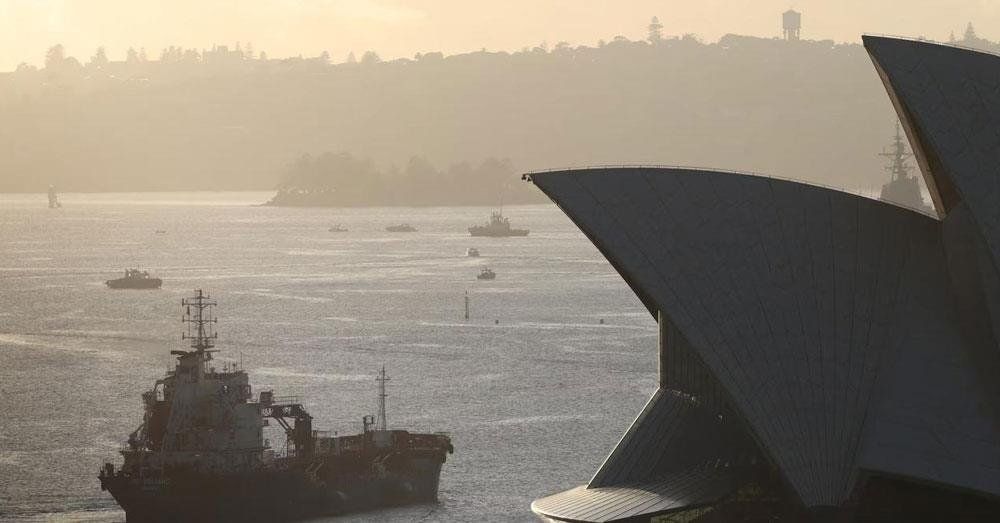
Australia has announced a major fuel security and resilience package worth A$10 billion aimed at strengthening national fuel stockpiles and establishing a permanent government-owned fuel reserve. The announcement was made by Australian Prime Minister Anthony Albanese on 6 May 2026.
The initiative is designed to improve the country’s energy security and reduce vulnerability to future global supply disruptions.
Expansion of National Fuel Reserves
Under the new package, Australia plans to create a government-owned fuel reserve of approximately one billion litres. Officials stated that the expanded reserve would help ensure the country maintains at least 50 days of fuel supply onshore.
Australia currently imports around 80% of its fuel requirements and relies heavily on private sector reserves. Existing regulations require importers and refiners to maintain around 30 days of fuel stocks.
Key Components of the Package
| Initiative | Investment |
|---|---|
| Government fuel reserve | A$3.2 billion |
| Fuel and fertiliser storage support | A$7.5 billion |
| Increase in minimum stockholding obligations | A$34.7 million |
Focus on Energy Security and Supply Stability
According to the government, the reserve will prioritise diesel and aviation fuel supplies and help address regional shortages during emergencies or supply chain disruptions.
Anthony Albanese stated that the package is intended to strengthen Australia’s “energy sovereignty” and improve national resilience against future crises.
Energy Minister Chris Bowen noted that Australia had previously been among the few members of the International Energy Agency without a government-owned fuel reserve.
Industry and Expert Reactions
The National Roads and Motorists Association welcomed the decision, stating that greater government involvement in fuel storage infrastructure could improve long-term energy security.
However, some analysts questioned how the reserve would operate in practice. Energy experts from the Grattan Institute suggested that expanding private sector reserves may be a more efficient approach than direct government participation in the market.
Strategic Context
The announcement comes amid ongoing concerns over global energy supply disruptions linked to geopolitical tensions and instability in the Middle East. Australia has experienced localized fuel shortages in recent years, increasing pressure on policymakers to strengthen domestic fuel resilience.
Key Highlights
- Australia to spend A$10 billion on fuel security initiatives
- Permanent government-owned fuel reserve to be established
- Reserve expected to hold around one billion litres of fuel
- National onshore fuel supply target increased to 50 days
- Package includes support for fuel and fertiliser storage
Conclusion
Australia’s new fuel security package represents a significant shift in the country’s energy strategy through the establishment of a permanent government-owned fuel reserve. The initiative aims to strengthen national resilience, improve supply stability, and reduce risks associated with future global fuel disruptions.
Also Read: Cambodia and India Launch ‘CINBAX-II’ Joint Military Exercise in Kampong Speu