Cambodia’s Exports to RCEP Countries Rise to $3.6 Billion in Early 2025, Marking 7.6% Growth
អត្ថបទនេះមិនទាន់មានជាភាសាខ្មែរនៅឡើយទេ។ អ្នកកំពុងអានអត្ថបទដើមជាភាសាអង់គ្លេស។
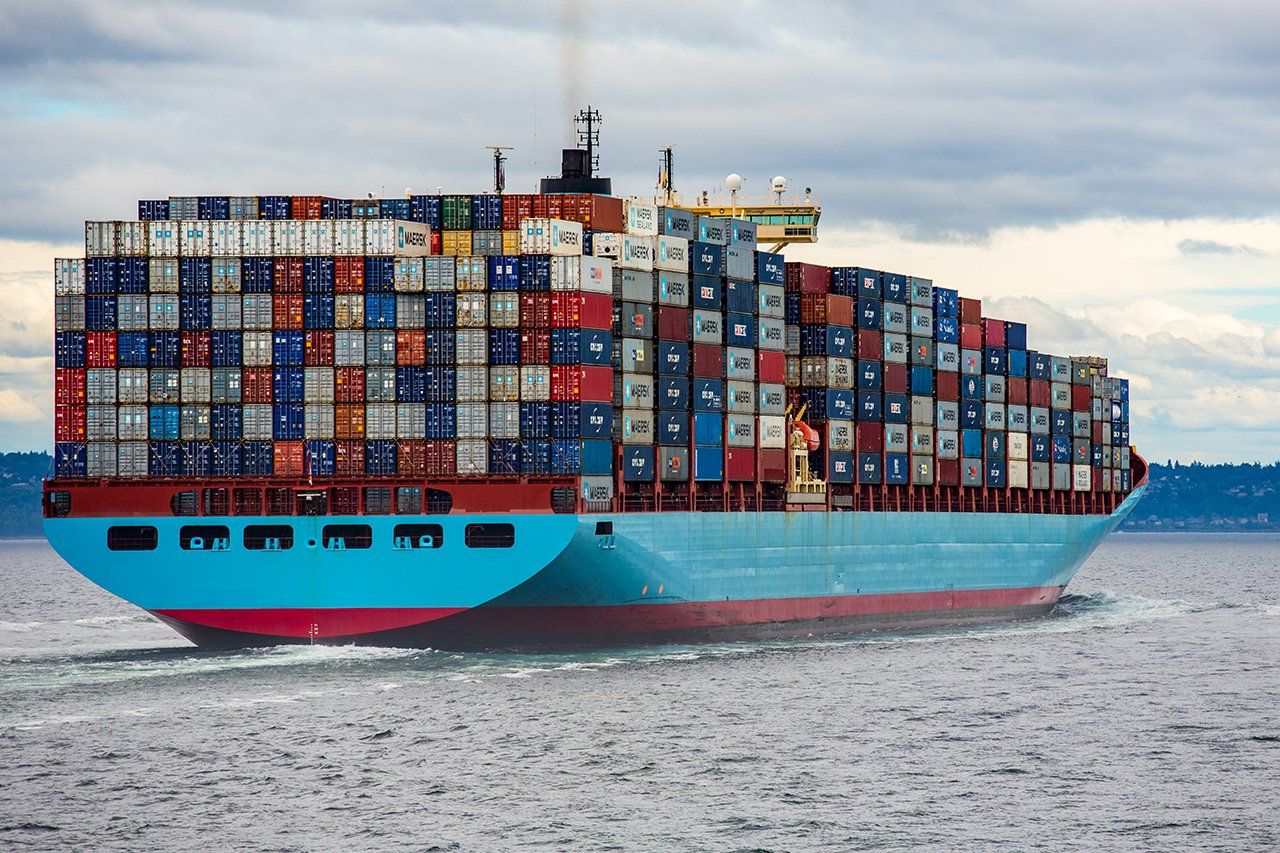
Cambodia’s trade with Regional Comprehensive Economic Partnership (RCEP) member countries surged in the first four months of 2025, with exports reaching $3.62 billion — a 7.6% increase compared to the same period in 2024, according to the Ministry of Commerce.
The RCEP, the world’s largest free trade agreement, includes 15 nations: the 10 ASEAN member states and five key regional economies — China, Japan, South Korea, Australia, and New Zealand. This agreement has significantly boosted Cambodia’s trade, enabling wider access to regional markets through tariff reductions and improved economic cooperation.
Cambodia’s Top RCEP Export Destinations
From January to April 2025, Cambodia’s top export markets within the RCEP bloc were:
- Vietnam
- China
- Japan
- Thailand
- South Korea
These countries received a diverse range of Cambodian goods, particularly textiles, garments, and agricultural products such as rice, bananas, mangoes, longans, and durians.
RCEP Trade Accounts for 66% of Cambodia’s Global Trade
Cambodia’s total trade with RCEP countries amounted to $12.93 billion in the first four months of 2025, representing 66% of the Kingdom’s total international trade volume of $19.5 billion. Imports from RCEP partners stood at $9.1 billion, an 18.85% rise from $6.83 billion during the same period last year.
This substantial trade growth highlights RCEP’s role in enhancing Cambodia’s regional economic integration and access to key markets.
Diversifying Exports Beyond Textiles
Despite the rising trade volumes, Lor Vichet, vice-president of the Cambodia-China Commerce Association (CCCA), observed that Cambodia’s exports to RCEP countries still lag behind those to North America and the European Union.
“One challenge is the overlap in product types among ASEAN countries,” he said. “To increase export value, Cambodia must diversify its manufacturing base and attract more investment in sectors such as automotive parts, chip production, and advanced technology.”
Currently, Cambodia’s export sector remains heavily reliant on the textile and garment industry. Experts believe that moving up the value chain will be key to enhancing export performance in the coming years.
Long-Term Gains from RCEP Agreement
Commerce ministry spokesperson Penn Sovicheat emphasized the long-term benefits of the RCEP agreement, which officially came into force on January 1, 2022, alongside the Cambodia–China Free Trade Agreement.
“The agreement has brought numerous advantages, such as tariff concessions, technology transfer, and increased foreign direct investment (FDI),” Sovicheat stated. “These have supported job creation and industrial development.”
He added that global and regional economic improvements in early 2025 have further supported Cambodia’s growing exports, particularly to China — a leading importer of Cambodian agricultural goods.
RCEP: The World’s Largest Trade Bloc
The RCEP bloc covers a combined population of 2.2 billion people (30% of the global population) and generates a GDP of $26.2 trillion, equivalent to 30% of global GDP. The member countries account for around 28% of global trade, making RCEP a critical engine of global economic activity.
Cambodia’s Future in Regional Trade
While RCEP has strengthened Cambodia’s trade footprint in Asia-Pacific, the country’s next phase of growth will depend on its ability to:
- Attract high-tech and industrial FDI
- Expand value-added manufacturing
- Increase product diversification
- Enhance export competitiveness in new sectors
With strong political commitment, a strategic geographic location, and growing infrastructure, Cambodia is well-positioned to deepen its engagement in RCEP and other global markets.