The Early and Golden Years of Cambodian Cinema
អត្ថបទនេះមិនទាន់មានជាភាសាខ្មែរនៅឡើយទេ។ អ្នកកំពុងអានអត្ថបទដើមជាភាសាអង់គ្លេស។
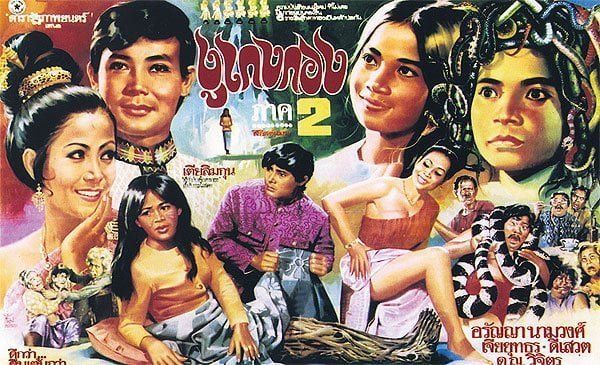
Cinema in Cambodia began in the 1950s, and many films were being screened in theatres all across the country during 1960s, which is considered as the “Golden Age”.
In the 1950s, filmmakers who had studied abroad made the first Cambodian movie. Roeum Sophon, Leu Pannakar, and Sun Bun Ly were among those included in the project. During this time, the US Information Service offered training workshops and provided equipment.
Dan Prean Lbas Prich (Footprints of the Hunter), a film shot by off-duty Cambodian military troops using American equipment and featuring footage of Cambodian hill tribes, was released around this period.
Sun Bun Ly’s debut film was Kar Pear Prumjarei Srei Durakut (Protect Virginity). Ponleu Neak Poan Kampuchea was his first private production enterprise. Others, such as Ly Bun Yim, were motivated by his success to hone their skills.
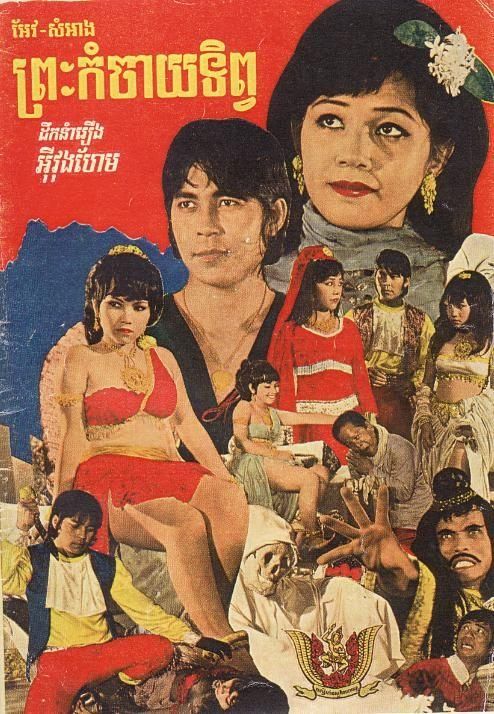
Almost 400 films were released in Cambodia during the so-called Golden Age of Cambodian Cinema, which lasted from the 1960s to the early 1970s.
Tea Lim Kun’s movies Lea Haey Duong Dara (Goodbye Duong Dara) and Pos Keng Kang (The Snake King’s Wife) are among the period’s classics and many others followed. These movies were successful both domestically and internationally.
During those years, all Cambodian filmmakers were self-taught. They combined primitivism, witchcraft, melodrama, and folk horror in their cauldron, resulting in a vibrant cinema that smelled like fragrant earth.