Cambodia is working towards building a knowledge-based economy.
本文暂无中文版本,您正在阅读英文原文。
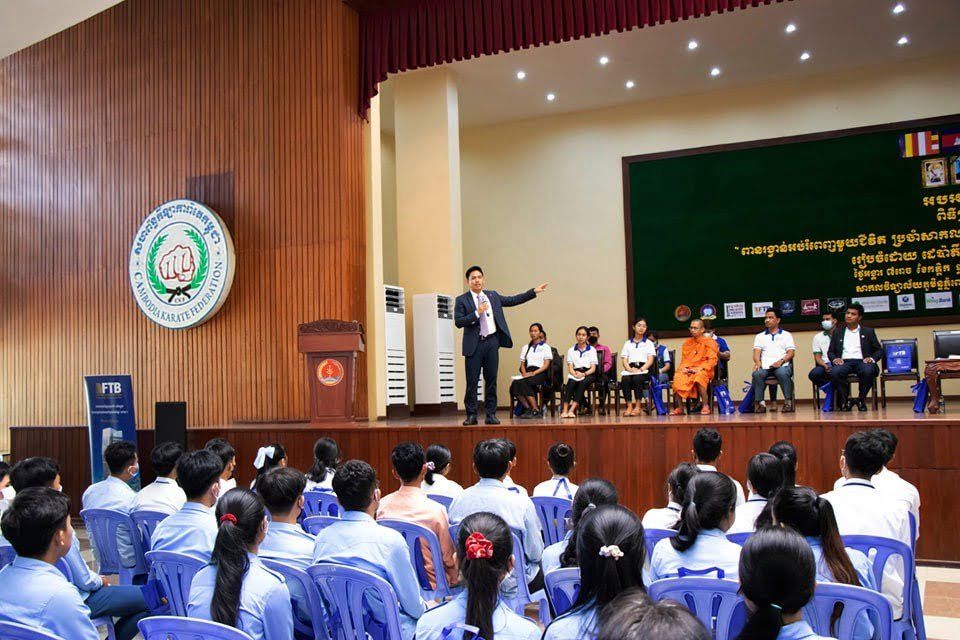
Written by, H.E Samheng Boros
Cambodia has made significant development in various sectors over the last three decades. The Kingdom is enhancing its relevance and becoming a knowledge-based economy in order to join the list of upper-middle-income countries by 2030.
A knowledge-based society emphasizes the significance of knowledge, education, and innovation in driving social and economic progress and development. For a country to remain relevant and competitive in the global knowledge economy, its capacity to develop, apply, and disseminate information is crucial.
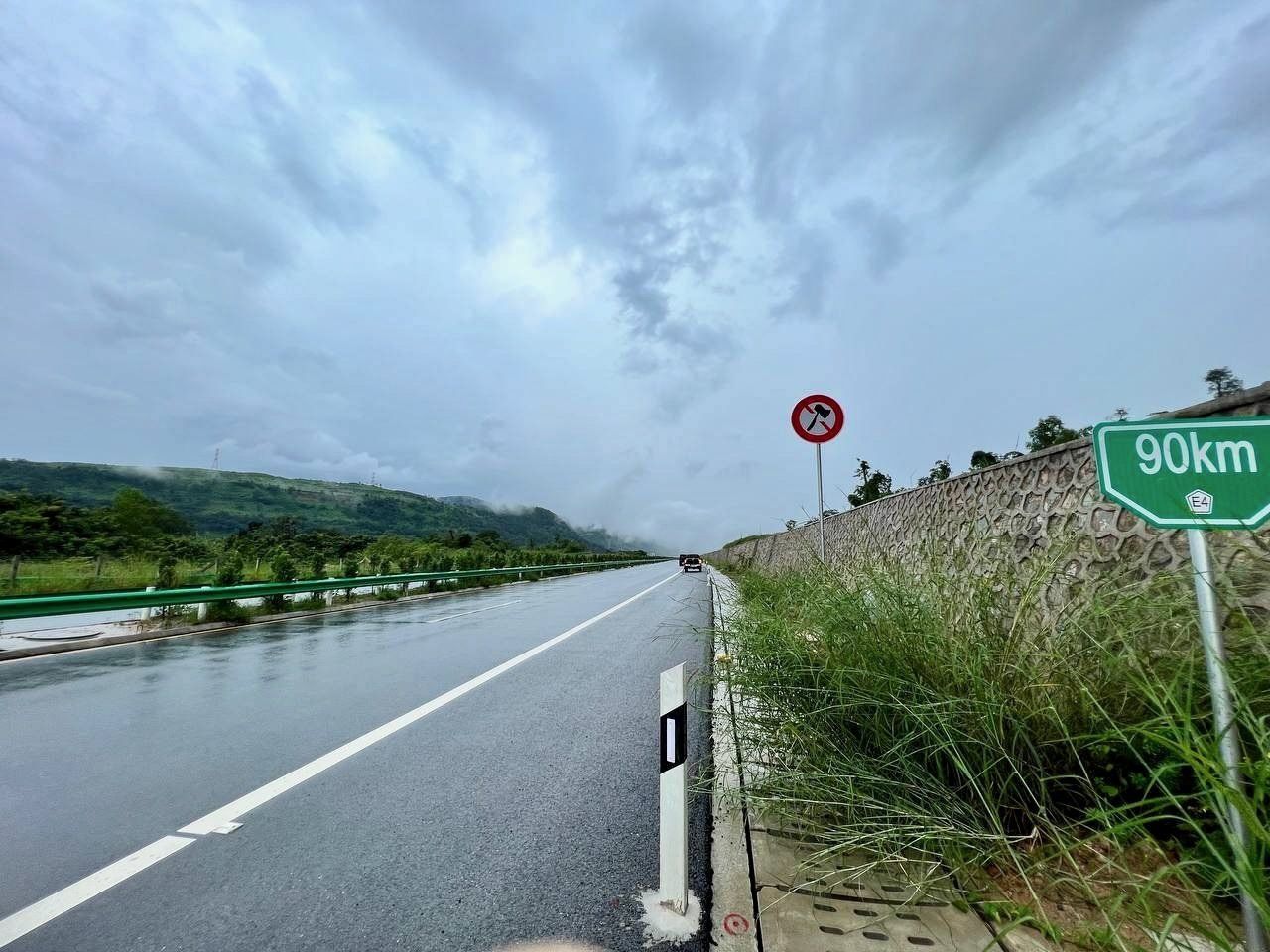
Cambodia has performed well on every metric. Over a decade, until 2019/2020, Cambodia’s poverty rate dropped from 33.8 to 17.8 percent, with nearly 2 million people exiting it, according to the World Bank’s Poverty Assessment Report. The per-capita GDP has increased from $268 in 1998 to $1,543 in 2020. But the kingdom has big ambitions. In 2018, it released Phase 4 of its Rectangle Strategy for Growth, Employment, Equity, and Efficiency. The government’s objective is to become an upper-middle-income country by 2030 and a high-income country by 2050.
In terms of its children’s education, Cambodia has made remarkable progress. Since 2007, the number of children enrolled in preschool programs has doubled. The percentage of students enrolled in primary school has increased from 82% in 1997 to over 97% in recent years. The number of higher education institutions (HEIs) in Cambodia has rapidly increased over the past few decades, rising from 8 in 1997 to 128 in 2021.
In Cambodia, the Ministry of Education, Youth, and Sport (MoEYS) and the Ministry of Labor and Vocational Training (MoLVT) are in charge of most of the education system.
When it comes to education, regardless of their circumstances, all children have the right to learn. The Royal Government of Cambodia places a high priority on ensuring that its citizens receive the education they need to reach their full potential. The Constitution of Cambodia, passed in 1993, says that primary and secondary education in state-run schools must be free. In 2007, the government passed the Cambodian Education Law, which asserts that all Cambodian children must attend school for nine years.
In the past few years, the Cambodian government has taken steps and made changes to improve the quality of both primary and higher education. Several projects, including the Secondary Education Improvement Project and the Higher Education Improvement Project, have been implemented to enhance the quality of education in Cambodia.
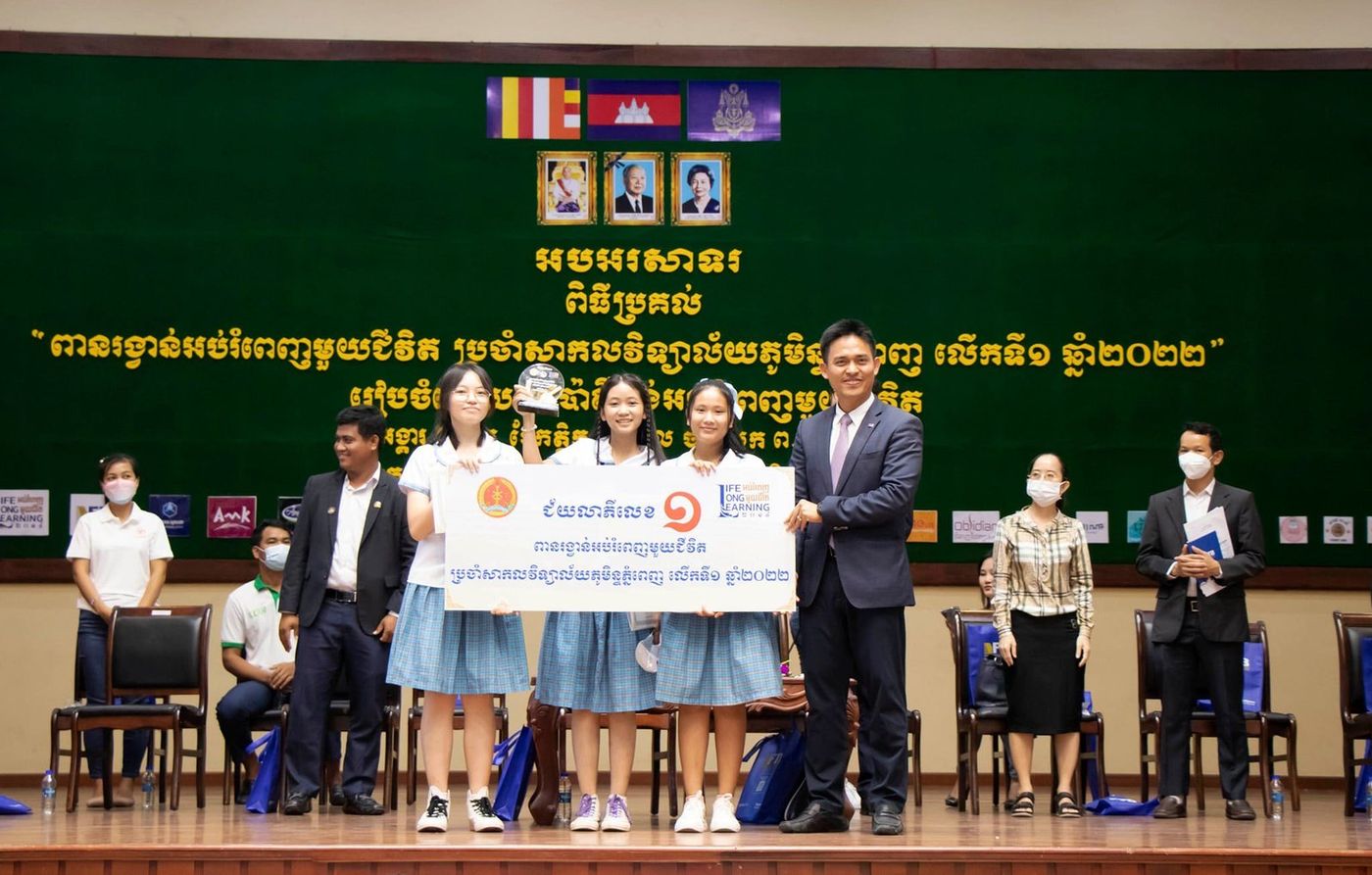
These projects are commendable, but there is much more work to be done, notably in the areas of skills and capacity building, infrastructure development, policy implementation, and assessment, to which the Royal Government of Cambodia is committed.
With the support of other partners such as UNICEF, the Royal Government of Cambodia strives to improve the quality of education to pave the way for Cambodian children to embark on a lifelong journey of learning.
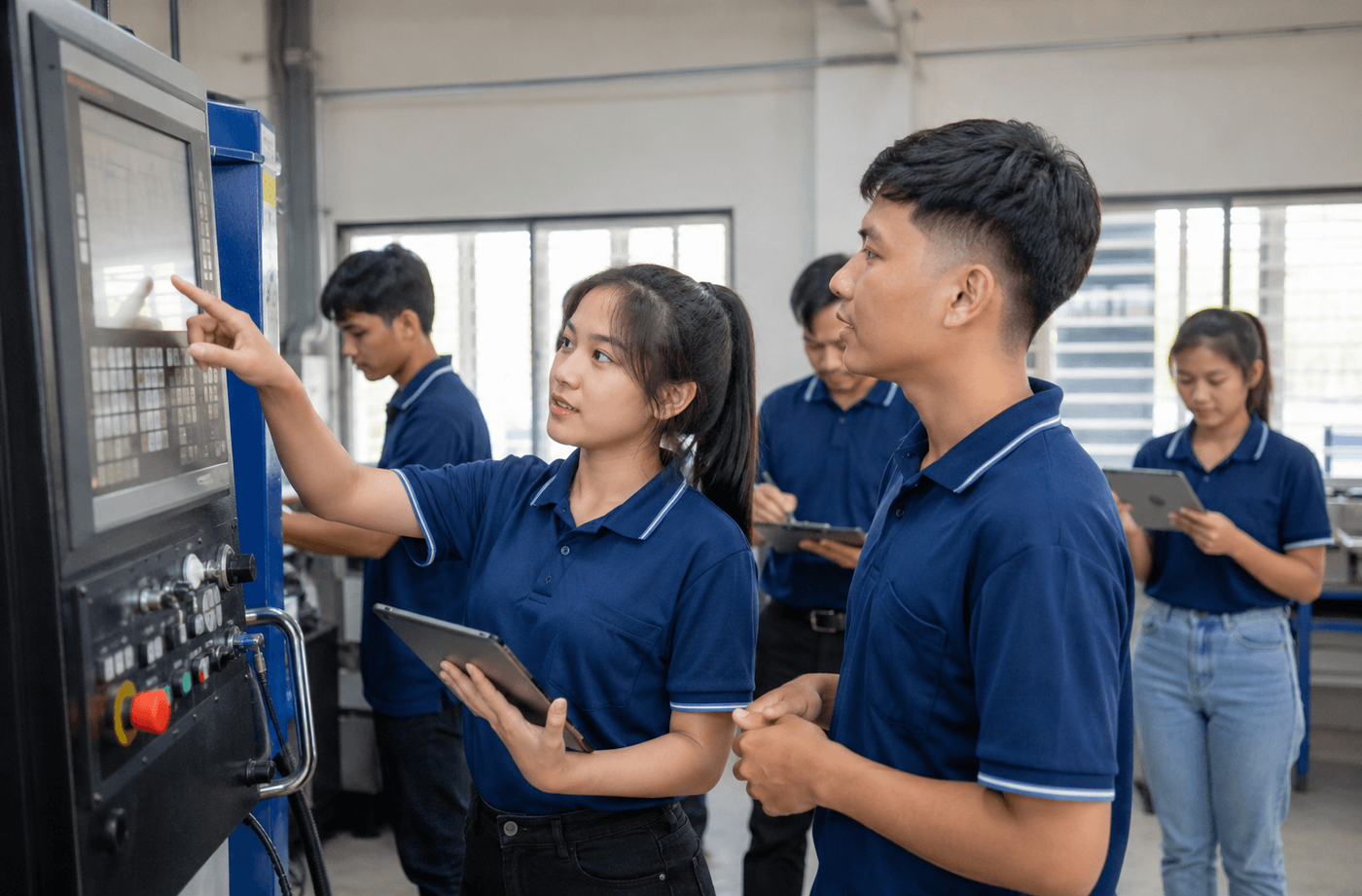
From early childhood through secondary education, the government is prioritizing financial investments that facilitate enhanced teacher training. We are revamping the national curriculum, including the syllabus, learning standards, teacher training, and textbooks, in order to include 21st-century skills into the Cambodian education system.
“Knowledge is power. Information is liberating. Education is the premise of progress, in every society and in every family.” – Kofi Annan
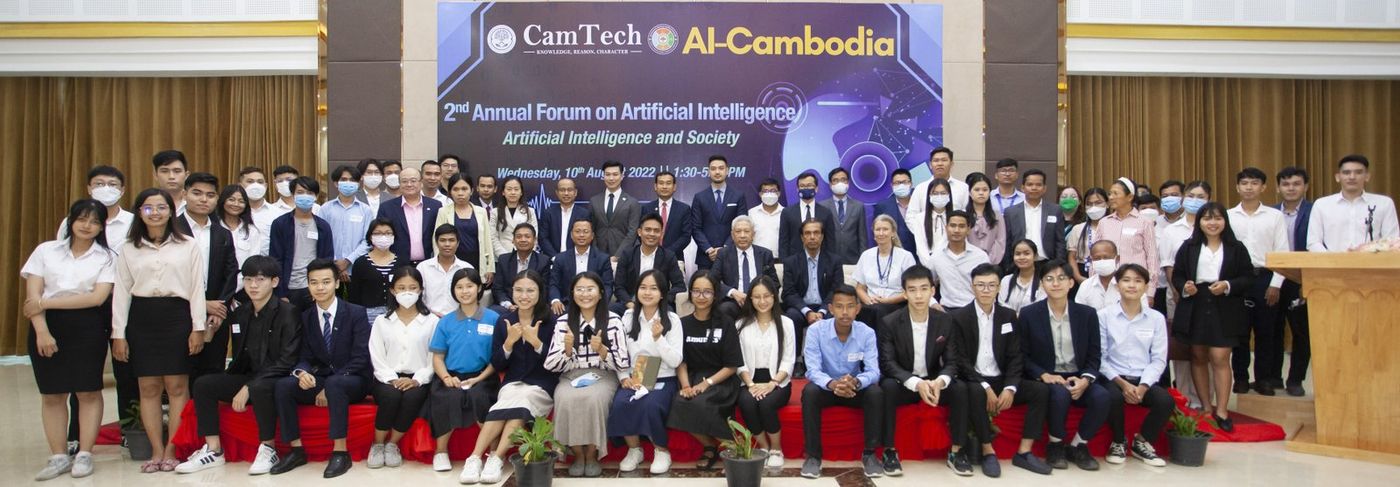
H.E Samheng Boros is Minister attached to the Prime Minister , Royal Government of Cambodia and Chairman of National Social Assistance Fund Board (NSAF) and Secretary of State at the Ministry of Social Affairs, Veterans and Youth Rehabilitation (MoSVY).