Cambodia’s Cassava Industry – 95% Raw Exports, $728 Million Annual Contribution, and a Path to Value-Added Growth
本文暂无中文版本,您正在阅读英文原文。
Cambodia is Asia’s fourth-largest and the world’s tenth-largest cassava exporter, with approximately 600,000 to 800,000 hectares under cultivation. However, 95% of cassava is currently exported raw, and only 5% is processed locally, contributing about USD 728 million annually to the national economy. This presents a significant opportunity to boost economic potential through increased local processing and value-added production.
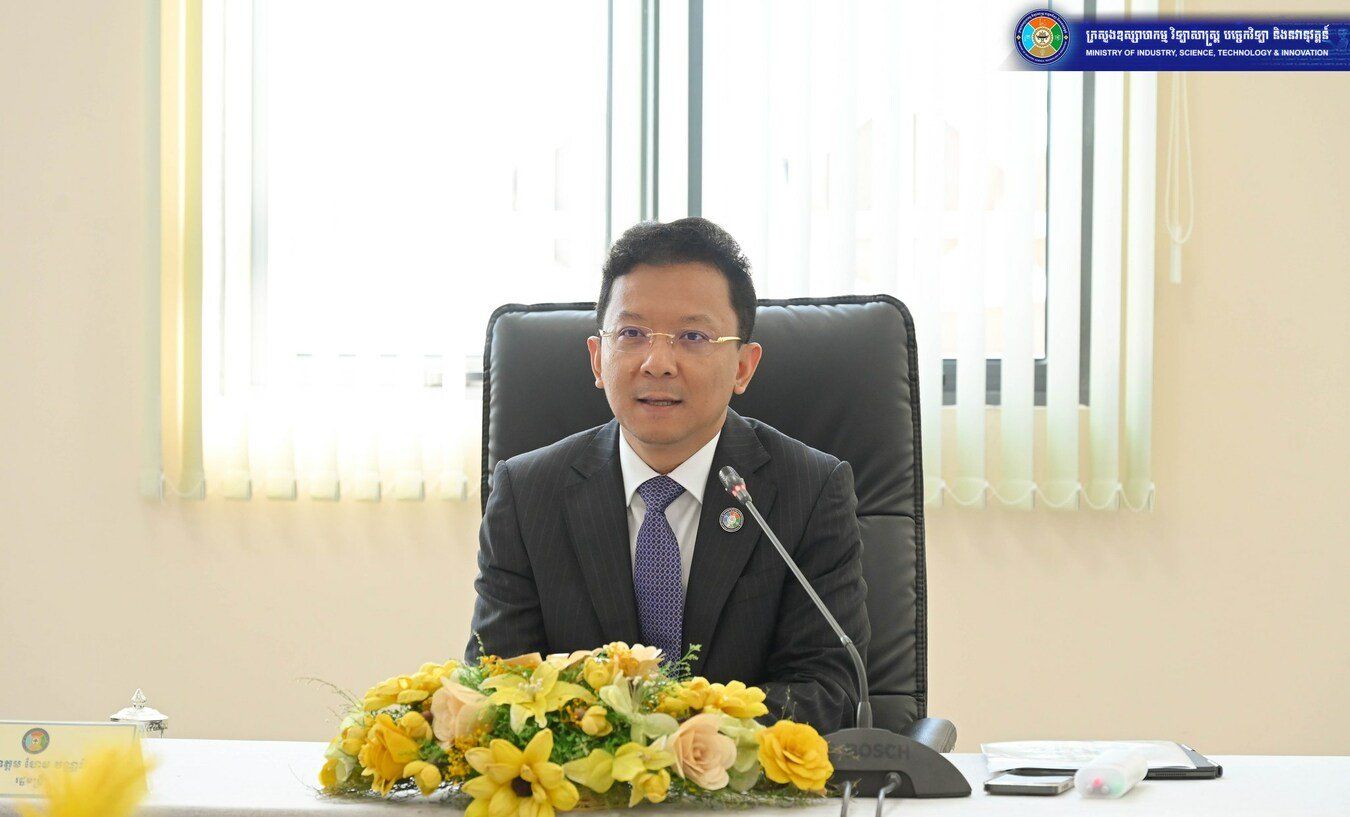
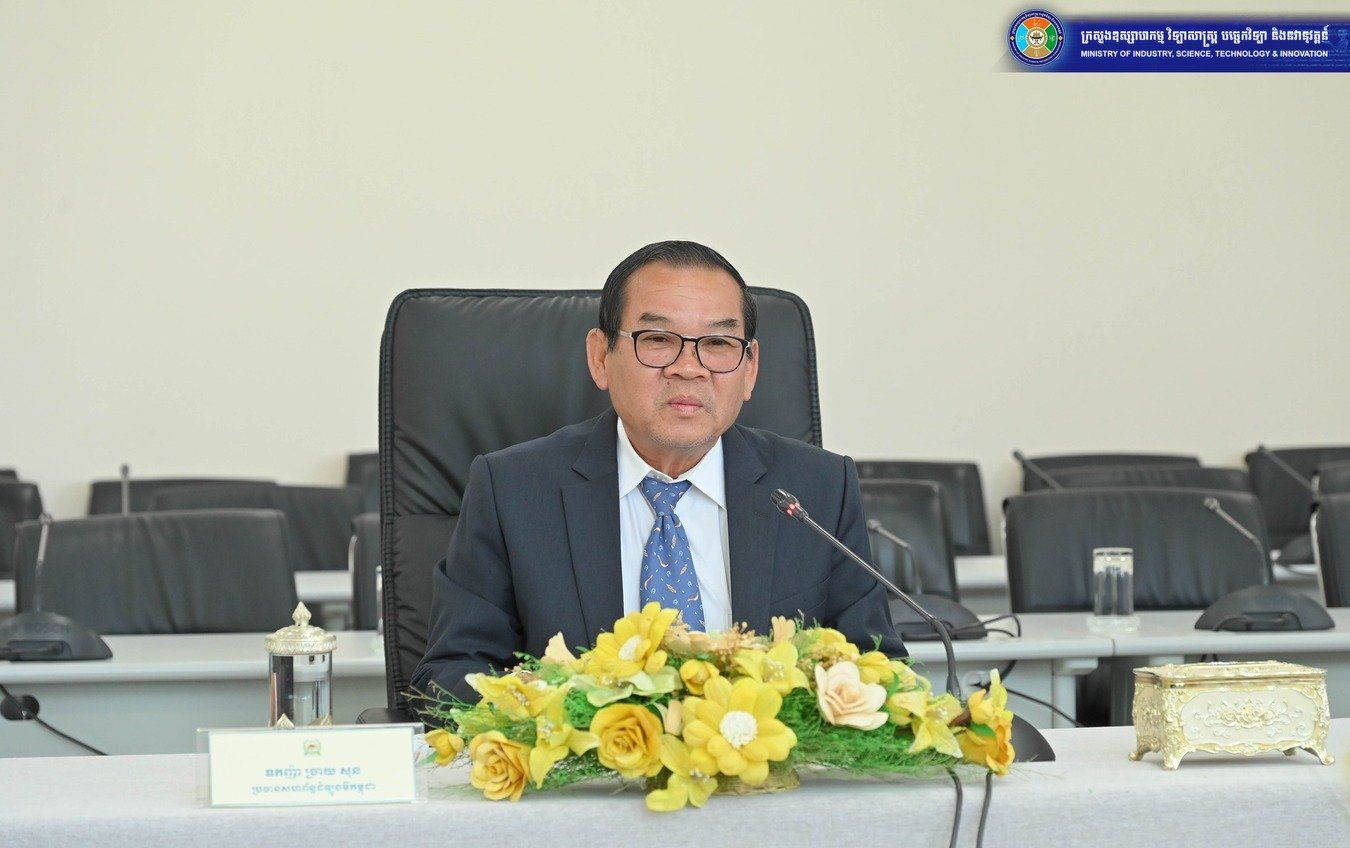
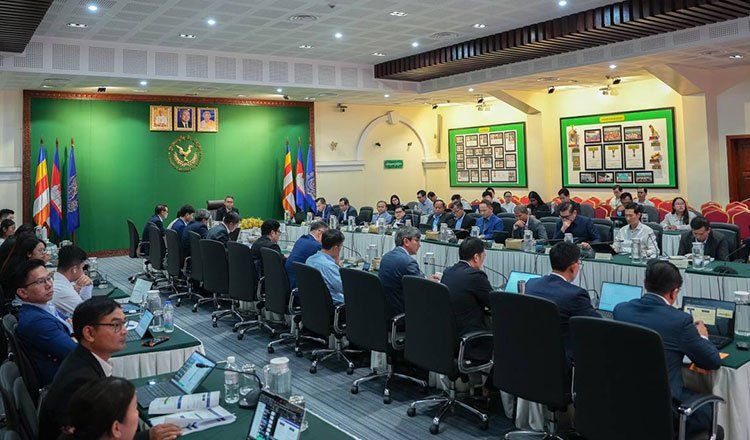
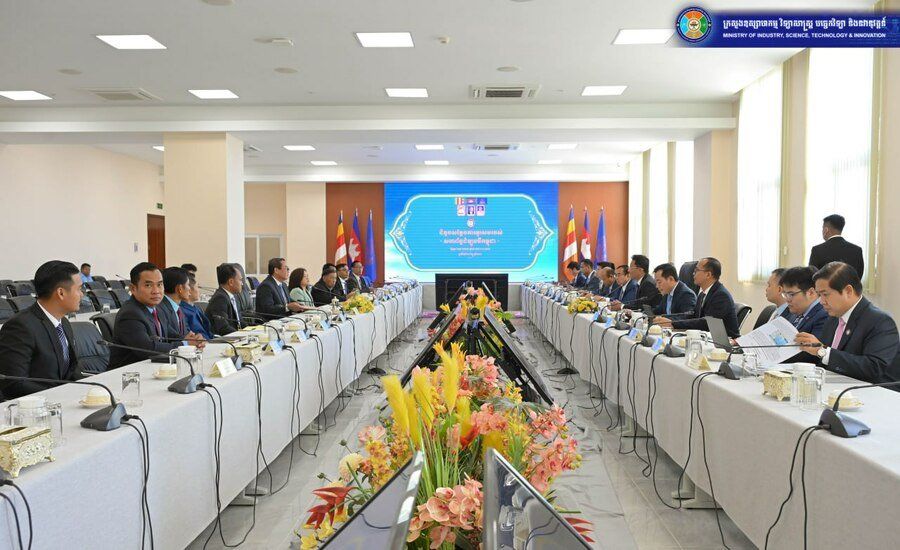
On December 16, 2024, Oknha Chray Son, President of the Cambodian Cassava Federation, met with H.E. Hem Vanndy, Minister of Industry, Science, Technology, and Innovation, to discuss challenges and opportunities in the cassava sector. The meeting aimed to identify strategies for transforming cassava into a high-value crop to improve industrial diversification and farmer livelihoods.
Cassava tubers, a highly versatile crop, can be processed into a variety of products, including flour, bread, crackers, beverages, animal feed, and industrial goods such as starch and paper. Unlocking this potential is crucial for strengthening Cambodia’s cassava value chain.
Strategic Priorities for Cassava Development
H.E. Hem Vanndy emphasized the need to shift from raw cassava exports to domestic processing and high-value-added production. He outlined several key initiatives to achieve this transformation:
- Promoting Farmer Engagement Through Digital Platforms:
The Cambodian Cassava Federation was tasked with mobilizing the country’s 90,000 cassava-growing families to register on a newly launched digital platform for informal economic development. This initiative seeks to enhance economic resilience and address climate challenges. - Clean Cassava Production and Standards Alignment:
The Institute of Standards of Cambodia (ISC) was directed to update cassava-related standards to meet international market demands and support sustainable production practices. - Enhancing Market Access and Business Support:
Collaborations with Khmer Enterprise were encouraged to develop business plans, improve market access, and promote Cambodian cassava products at international trade expos. - Financial and Technical Support for Enterprises:
Partnerships with financial institutions such as SME Bank and ARDB Bank were recommended to secure funding for cassava enterprises. Research collaborations with the National Institute of Science, Technology, and Innovation (NISTI) were also suggested to explore advanced cassava reprocessing technologies.
Realizing Cassava’s Economic Potential
By transitioning from raw exports to local processing and value-added production, Cambodia can significantly enhance the economic contribution of its cassava sector. These efforts will not only create higher-value products but also improve farmers’ incomes, promote industrial diversification, and ensure sustainable development in the face of climate change.
With a strong focus on innovation, inclusivity, and sustainability, Cambodia is poised to fully unlock the potential of its cassava industry, transforming it into a cornerstone of national economic growth.
Source: AKP