Cambodia’s Economic Growth in 2025: Key Sectors Driving Progress
本文暂无中文版本,您正在阅读英文原文。
Cambodia is stepping into 2025 with optimism and determination, showing steady economic growth despite global uncertainties. With a projected growth rate of 5.9%, the country is leaning on its core strengths while exploring new opportunities. These projections come from the ASEAN+3 Macroeconomic Research Office (AMRO), which highlights key drivers like manufacturing and tourism. Let’s dive into the key sectors fueling this progress and the challenges Cambodia must overcome to sustain its momentum.
The Backbone of the Economy: Garments and Manufacturing
The garment and textile industry has long been a bedrock of Cambodia’s economy. It generates a significant portion of the country’s export revenue and employs millions of workers. In 2025, this sector is expected to grow further, driven by strong global demand and Cambodia’s involvement in regional trade agreements like the Regional Comprehensive Economic Partnership (RCEP). This analysis is based on data from Fibre2Fashion, which tracks trends and developments in the global apparel industry. (Source)
Efforts to modernize factories, improve working conditions, and adopt sustainable practices are making the industry more competitive. The push towards environmentally friendly materials and production methods also aligns with global trends, giving Cambodia an edge in the international market.
Also read, Strengthening Cambodia’s Manufacturing Sector: A Collaborative Venture Between MISTI and Australia
Tourism: Back on the Map
Tourism is bouncing back after the challenges of recent years, and 2025 promises to be a big year. The Techo Takhmao International Airport near Phnom Penh, set to open in 2025, is expected to draw more international visitors upon its completion. This information is sourced from The Phnom Penh Post, which has detailed the airport’s expected impact on tourism and connectivity. (Source)
Iconic landmarks like Angkor Wat, along with eco-tourism destinations such as the Cardamom Mountains and floating villages on Tonle Sap, are attracting travelers looking for unique experiences.
To sustain this momentum, Cambodia is focusing on diversifying its tourism offerings and promoting sustainable practices. This ensures that the country’s cultural heritage and natural beauty are preserved for future generations.
Also read, Cambodia and China Strengthen Tourism Partnership for 2025
Agriculture: The Roots of Growth
Agriculture remains a cornerstone of Cambodia’s economy, supporting rural livelihoods and providing essential exports. The government’s push for modernization in this sector—including better irrigation, advanced farming techniques, and higher-value crops—is expected to boost productivity in 2025. This perspective is supported by Fibre2Fashion’s insights into the agricultural sector’s role in boosting GDP. (Source)
Staple crops like rice, cassava, and rubber continue to dominate exports. However, there’s a growing focus on diversifying into high-demand products such as cashews and tropical fruits. Sustainable farming practices, including organic methods, are gaining traction as farmers and policymakers work to balance growth with environmental stewardship.
Also read, Cambodia Advances in Agricultural Export and Infrastructure Development
Building the Future: Construction and Real Estate
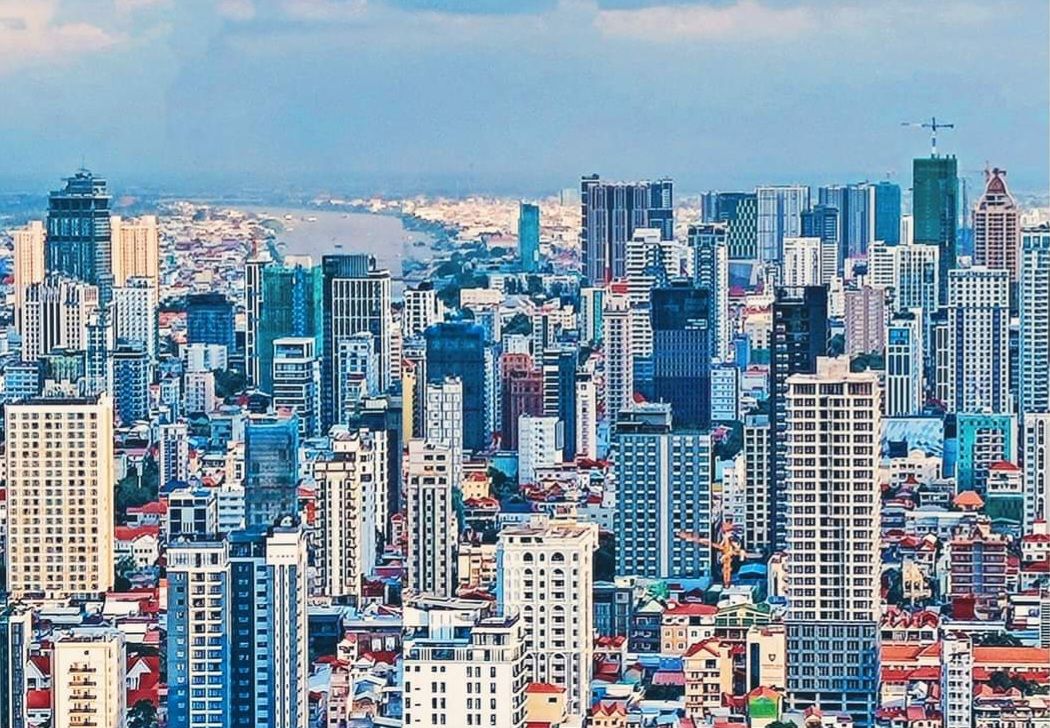
Cambodia’s urban landscape is transforming, thanks to a surge in construction and real estate development. Infrastructure projects like roads, bridges, and airports are not only enhancing connectivity but also creating jobs and attracting foreign investment. The Asia Garment Hub provides insights into how infrastructure development is driving real estate and economic growth in Cambodia. (Source)
The real estate boom in cities like Phnom Penh and Sihanoukville is fueled by demand for residential, commercial, and industrial properties. Developers are also adopting green building standards and smart city concepts to create modern, sustainable urban spaces.
Also read, How Cambodia’s Trust Law is Attracting Global Real Estate Buyers
The Digital Revolution
The digital economy is quickly becoming a game-changer for Cambodia. The government’s ambitious Digital Economy and Society Policy Framework 2021-2035 is laying the groundwork for a tech-driven future. This framework is highlighted by Cambodia’s Ministry of Post and Telecommunications, emphasizing its role in promoting e-commerce, fintech, and internet access. (Source)
From expanding internet access to promoting e-commerce and fintech, Cambodia is positioning itself as a regional hub for innovation.
Startups are flourishing, supported by an ecosystem that includes accelerators, investors, and tech-savvy entrepreneurs. Digital payments and mobile banking are transforming how Cambodians interact with money, making financial services more accessible than ever.
Also read, Driving Digital Growth: The Promising Future of Cambodia’s Software Market
Challenges on the Horizon
Despite its promising outlook, Cambodia faces significant hurdles. Key challenges include:
- Workforce Development: Equipping workers with the skills needed for modern industries remains a priority.
- Infrastructure Gaps: Continued investment in roads, utilities, and technology is essential to support growth.
- Climate Risks: As an agriculture-dependent nation, Cambodia is vulnerable to climate change, making adaptation crucial.
- Global Uncertainties: Economic shifts and geopolitical tensions could impact Cambodia’s export-driven economy.
Looking Ahead
Cambodia’s economic growth in 2025 is a testament to the country’s resilience and potential. By building on its strengths in garments, tourism, agriculture, construction, and the digital economy, Cambodia is carving out a path toward sustainable prosperity. Addressing its challenges with targeted policies and investments will be key to ensuring that this growth benefits everyone. These insights are corroborated by Cambodia Investment Review, which highlights the AMRO’s projections for the country’s economic future. (Source)
As Cambodia moves forward, its story is one of ambition, adaptability, and hope—a narrative that inspires not just the region but the world.