Cambodia’s First Female Drone Pilot Aims To Help Small-Scale Farmers.
本文暂无中文版本,您正在阅读英文原文。
Agriculture is the most important sector of the Cambodian economy, employing more than 34% of the population. For all the crops grown, rice is the most important staple food for Cambodians, accounting for around half of the country’s GDP.
However, this growth engine has been hampered by a lack of water and growing labour costs. Agricultural innovations are progressively increasing in Cambodia, which hopes to become a higher middle-income country by 2030, as farmers strive against all difficulties to cultivate rice.
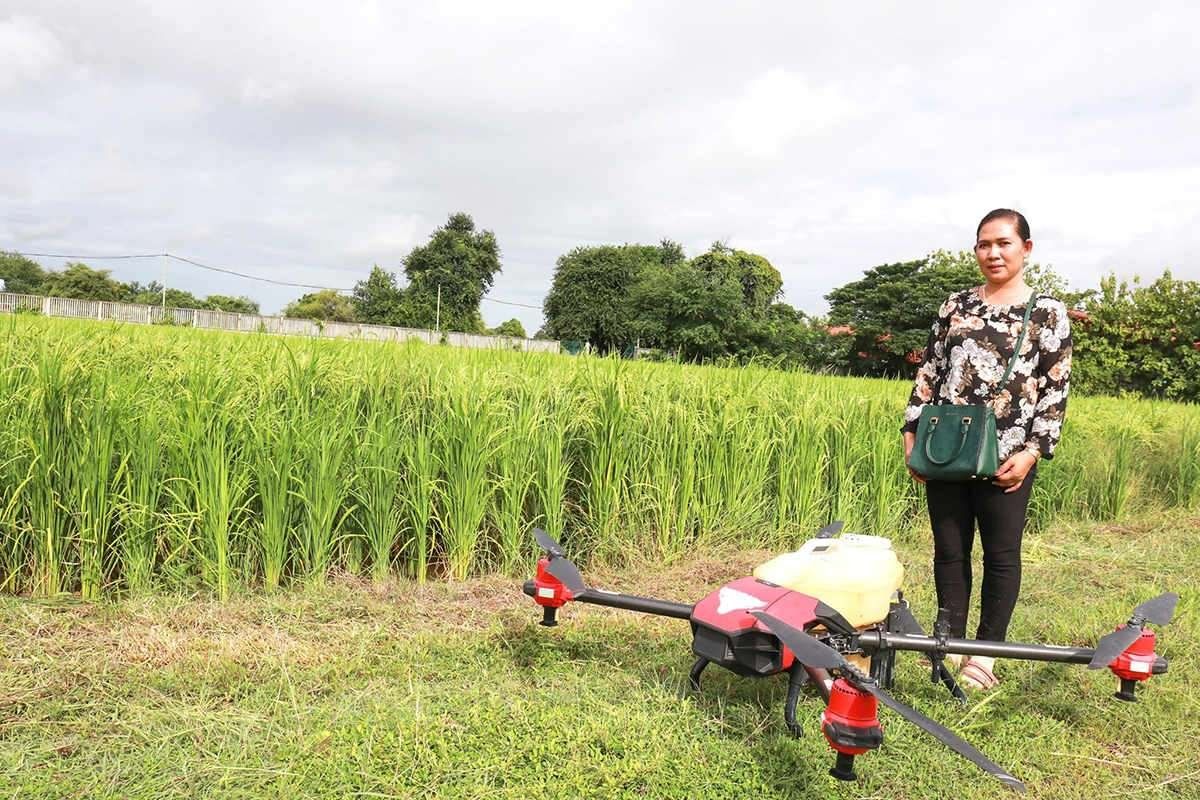
Tou Kousal is the first female drone pilot in Battambang province, which is renowned as Cambodia’s “rice bowl.” She has been helping local farmers raise crop yields and lower their pesticide, water, and labour input costs as a pioneering woman entrepreneur in agriculture.
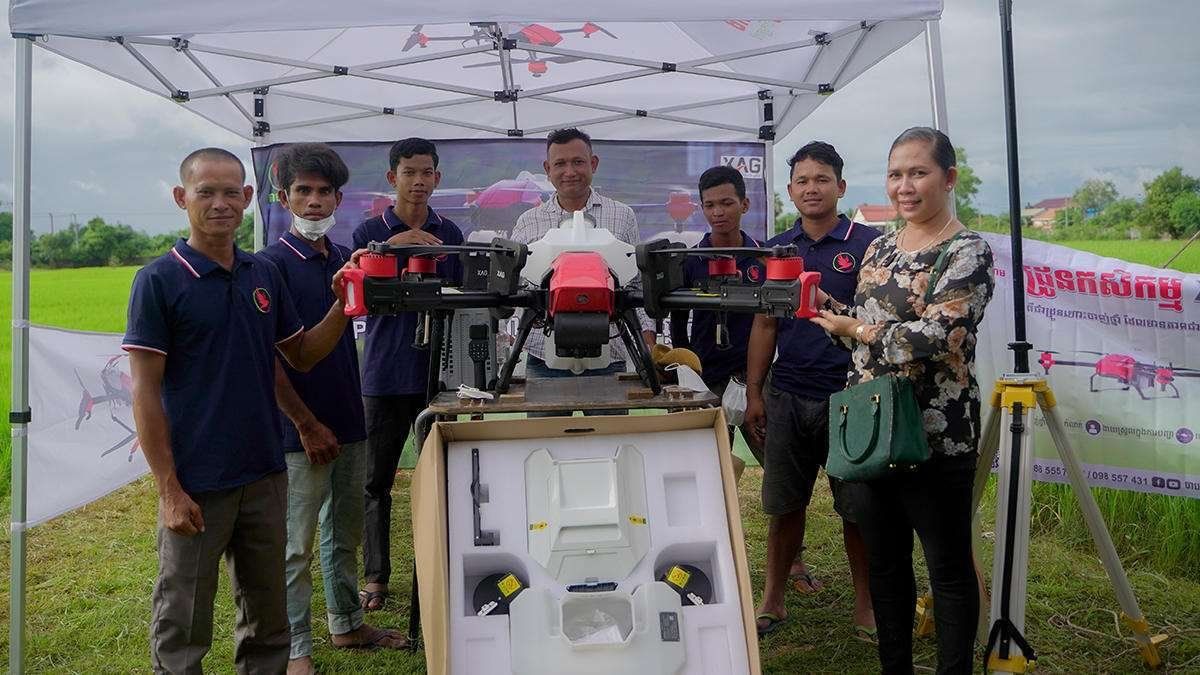
She now runs two crop protection service teams, totaling seven pilots, that have served hundreds of agricultural households and sprayed 900 hectares of farmland using spray drones.
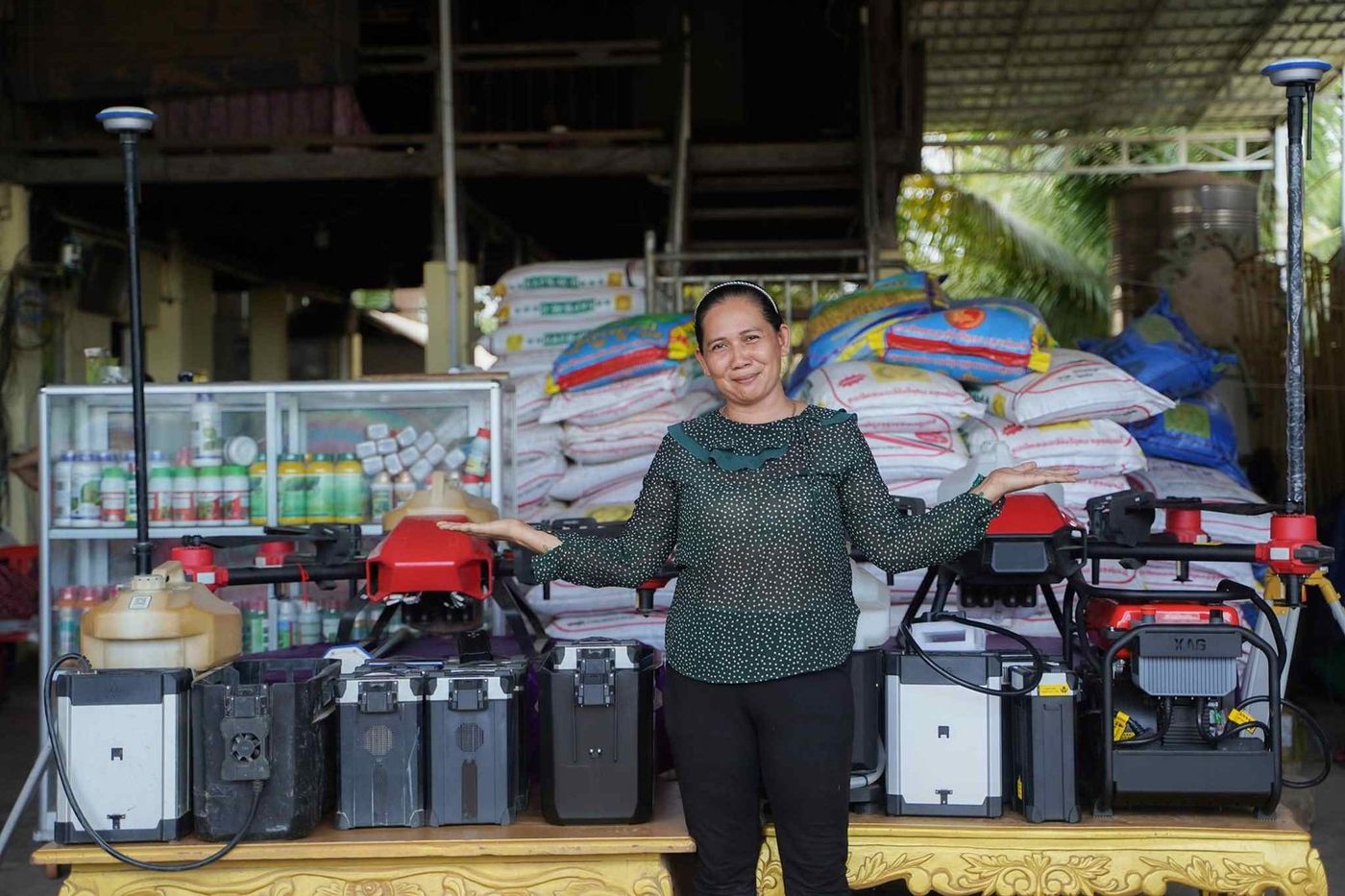
Tou Kousal was a farmer maintaining a 10-hectare field with restricted access to new tools two years ago, before piloting the farming drone business. She and her husband also managed a family agrochemical store. The Covid-19 epidemic aided her choice to plunge into a completely new world.
Kousal is mainly interested in autonomous flight and precision spraying. This means that fewer water and pesticides are required for agricultural cultivation, as well as the load of manual labour.
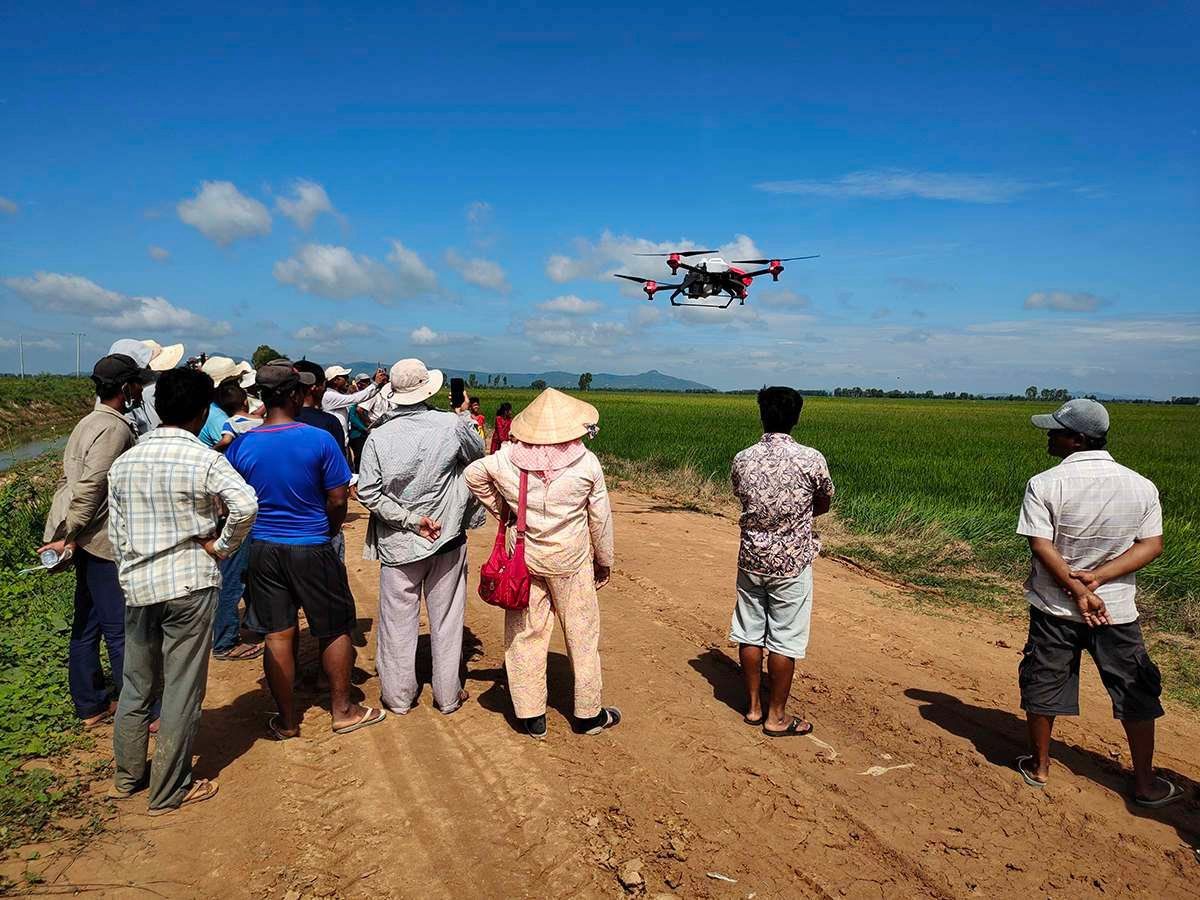
Despite the various cost-cutting advantages of drones, convincing farmers to accept them has never been easy. Most farmers in Cambodia didn’t believe the drones’ ability to provide good care for their field crops since they didn’t understand modern technology.
To win farmers’ trust, Kousal and her team conducted a series of field demonstrations, comparing the performance of drone spraying to manual spraying. The effectiveness and precision of drone outcomes have removed doubts and raised the popularity of drone services.
In Cambodia, technological advancements not only increase food productivity, but also empower rural women to battle poverty. Tou Kousal sees herself as more of an entrepreneur and innovator than a next-generation farmer, who is also educating more modern farmers to boost Cambodia’s agriculture.
Source: CA News