Celebrating Lunar New Year: A Festival of Happiness and Unity
本文暂无中文版本,您正在阅读英文原文。
Lunar New Year, also known as Spring Festival in China, Tết in Vietnam, Seollal in South Korea, is a celebration that marks the beginning of a new year on the lunar calendar. This centuries-old tradition is not only a time for festive gatherings and feasting but also carries profound cultural significance and is a source of immense joy and happiness for billions of people across the globe.
The Universal Joy of Lunar New Year
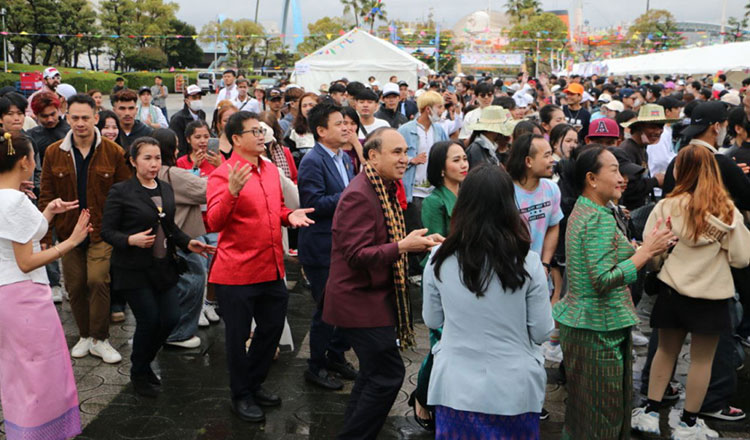
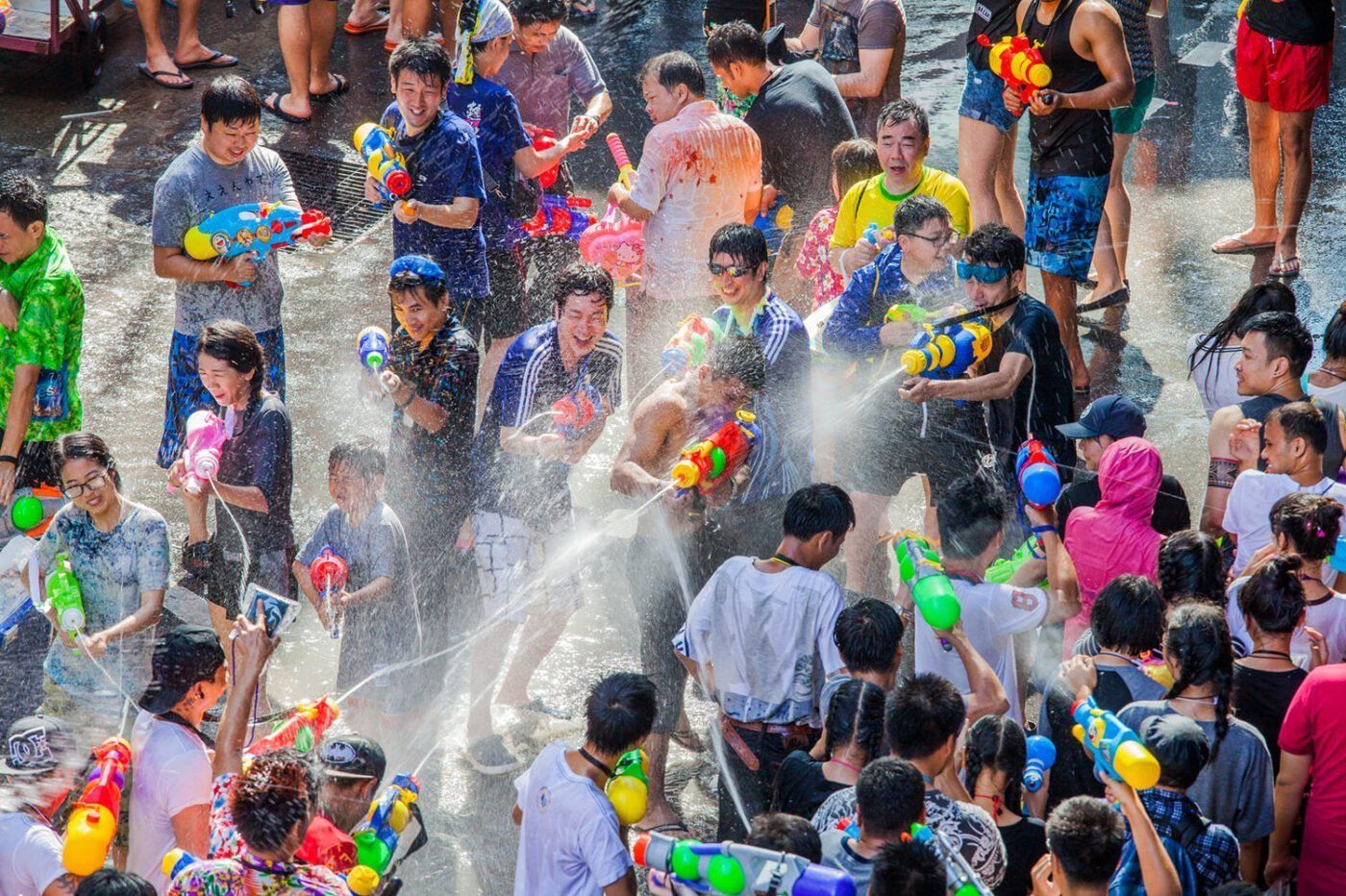
The Lunar New Year is celebrated in numerous countries, including China, Cambodia, Vietnam, South Korea, Singapore, Indonesia, Malaysia, Philippines, Thailand, and in regions with significant Chinese, Vietnamese, and Korean diasporas such as the United States, Canada, and Australia. Each country and community adds its unique flavor to the celebrations, making the Lunar New Year a rich tapestry of cultural traditions.
Cultural Significance
At its core, the Lunar New Year is a time to honor household and heavenly deities, as well as ancestors. It’s an occasion for families to come together, often traveling long distances to reunite. The festival emphasizes themes of renewal, hope, and the sweeping away of ill-fortune to make way for incoming good luck and prosperity. These universal themes resonate with people from all walks of life, promoting a sense of connectedness and shared human experience.
Festivities and Traditions
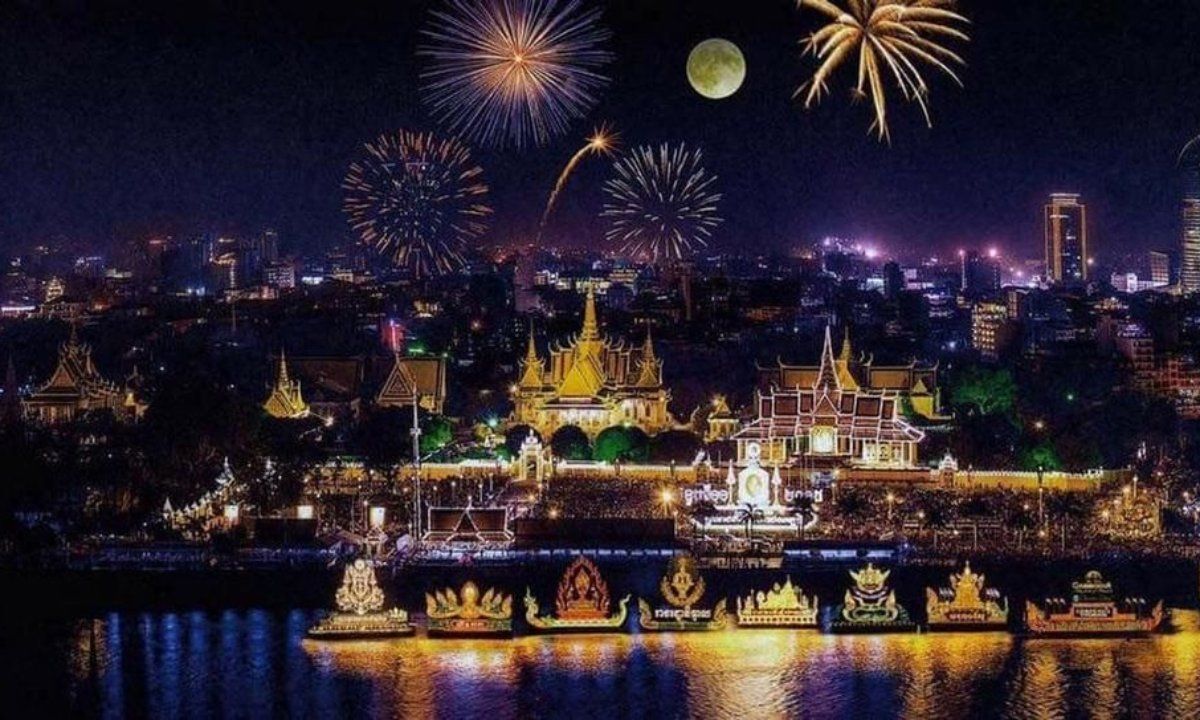
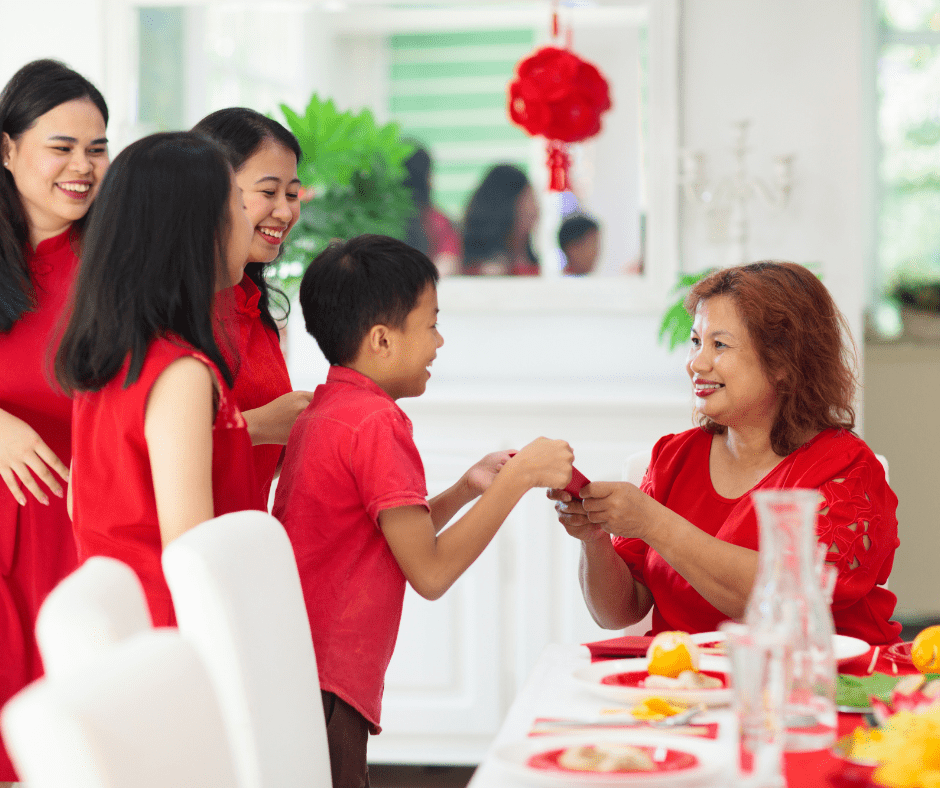
The celebrations are marked by vibrant parades, fireworks, dragon and lion dances, and the lighting of lanterns, symbolizing the driving away of evil spirits and the illumination of the new year’s path. Homes are cleaned and decorated with red to invite good luck, and people wear new clothes as a sign of a fresh start. The giving of red envelopes (“hóngbāo” in Mandarin, “lì xì” in Vietnamese) containing money is a much-loved tradition, symbolizing the transfer of fortune from the elders to the younger generation.
Culinary Delights
Food plays a central role in the celebrations, with families preparing and enjoying sumptuous feasts together. Each dish served during the Lunar New Year is symbolic—fish for surplus, dumplings for wealth, sweet rice cakes for a higher year, and noodles for longevity, among others. These culinary traditions are not only a feast for the senses but also reinforce the cultural values of abundance, prosperity, and unity.
Fostering Happiness and Well-being
The Lunar New Year is a time of joy, marked by a spirit of generosity, gratitude, and optimism. The emphasis on family bonds, respect for ancestors, and hopes for a prosperous future bring people together, fostering a sense of belonging and happiness. The festival’s vibrant traditions and rituals serve as a reminder of the beauty of cultural heritage and the importance of preserving these traditions for future generations.
The Lunar New Year is much more than just a holiday; it’s a global festival that transcends geographical and cultural boundaries, bringing people together in a celebration of life, renewal, and happiness. As families gather, communities engage, and nations partake in this ancient festival, the Lunar New Year continues to be a beacon of joy, unity, and hope in an increasingly complex world. It is a vivid reminder of the enduring power of traditions to nurture happiness, foster social bonds, and celebrate the universal human spirit.