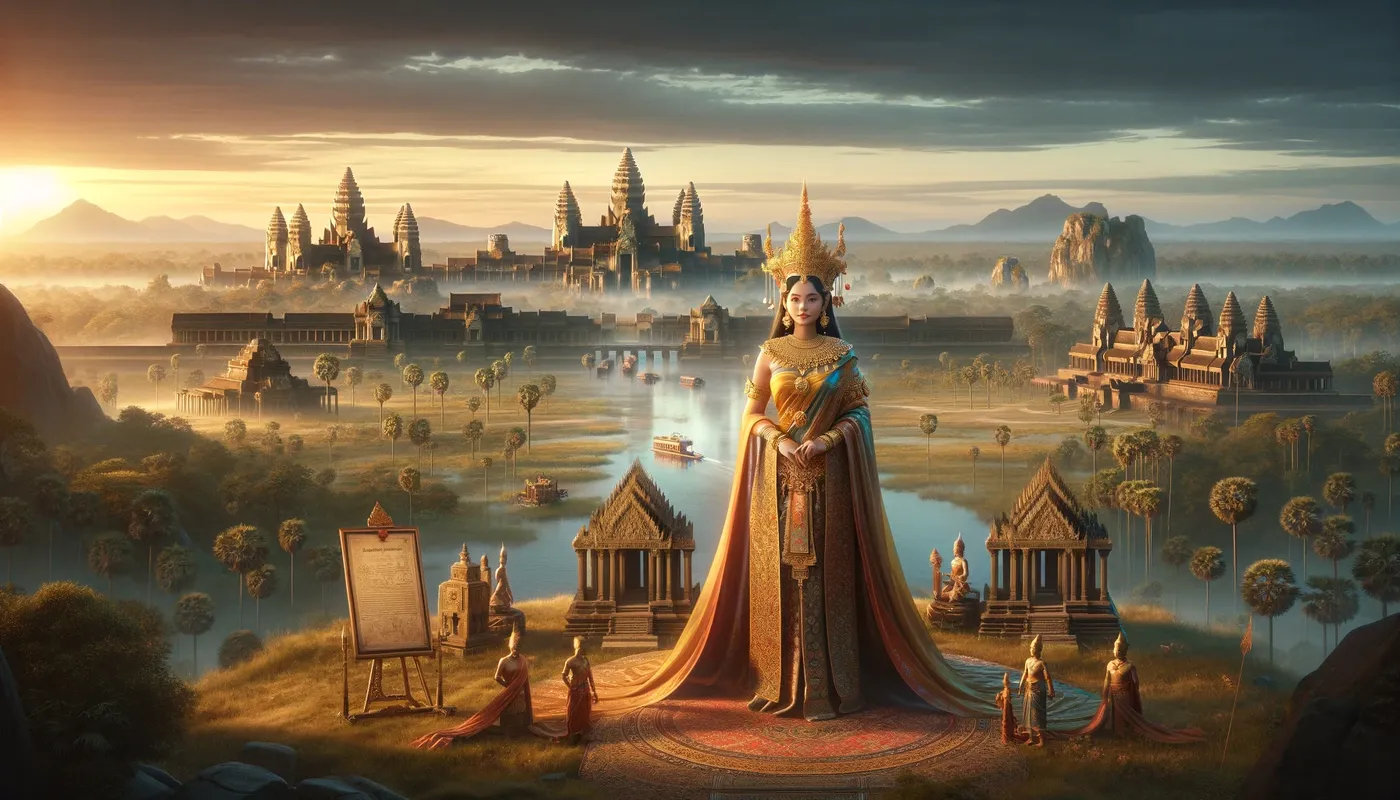
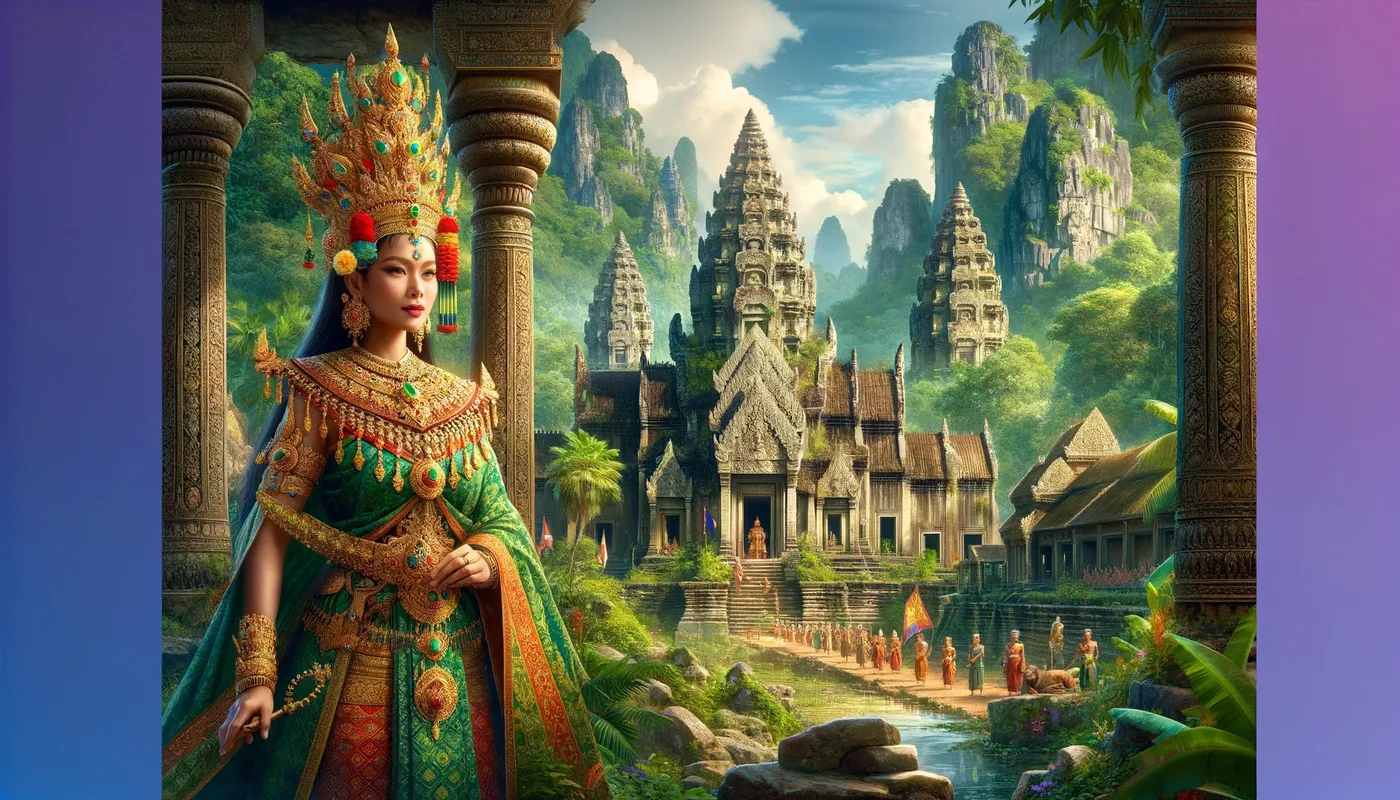
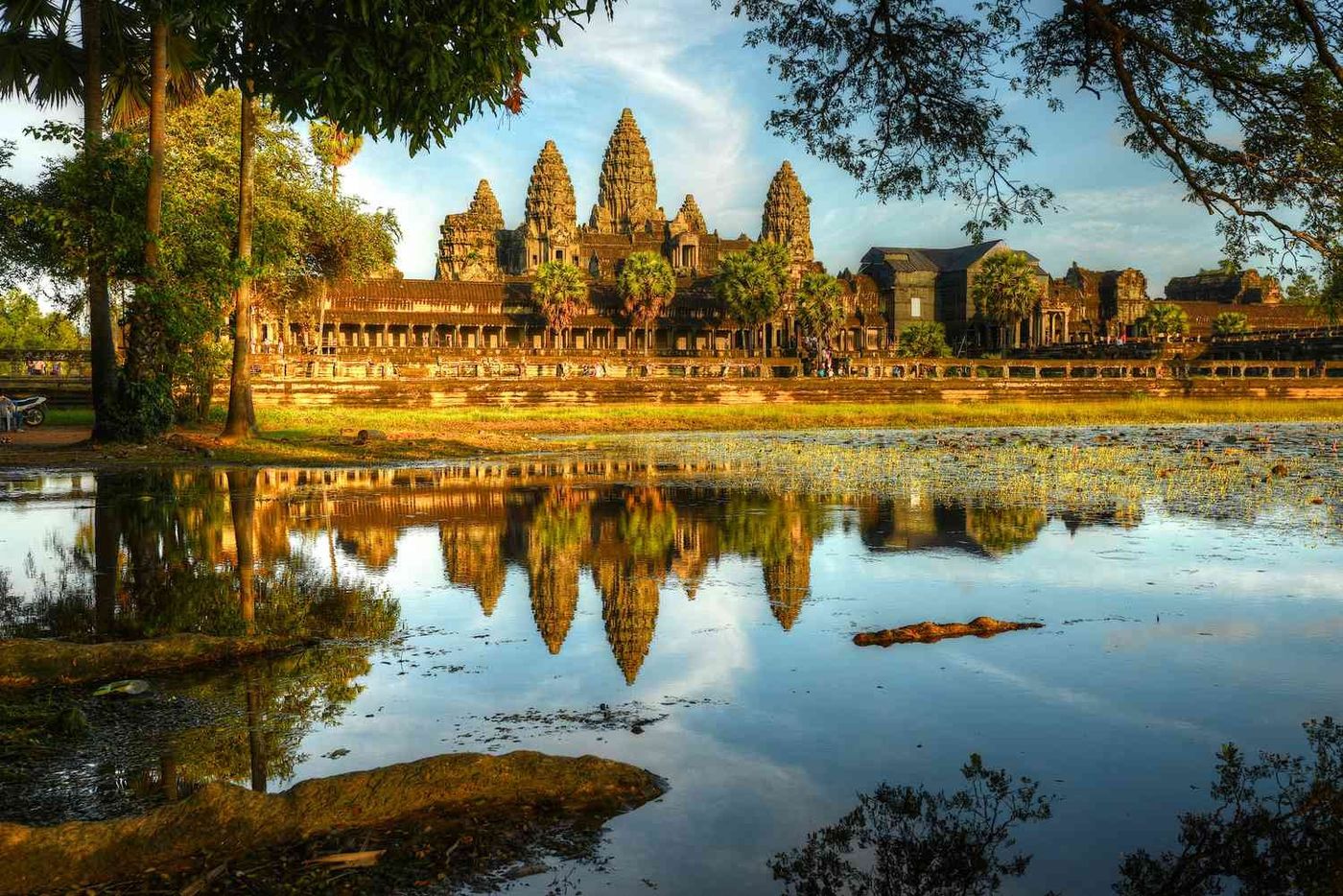
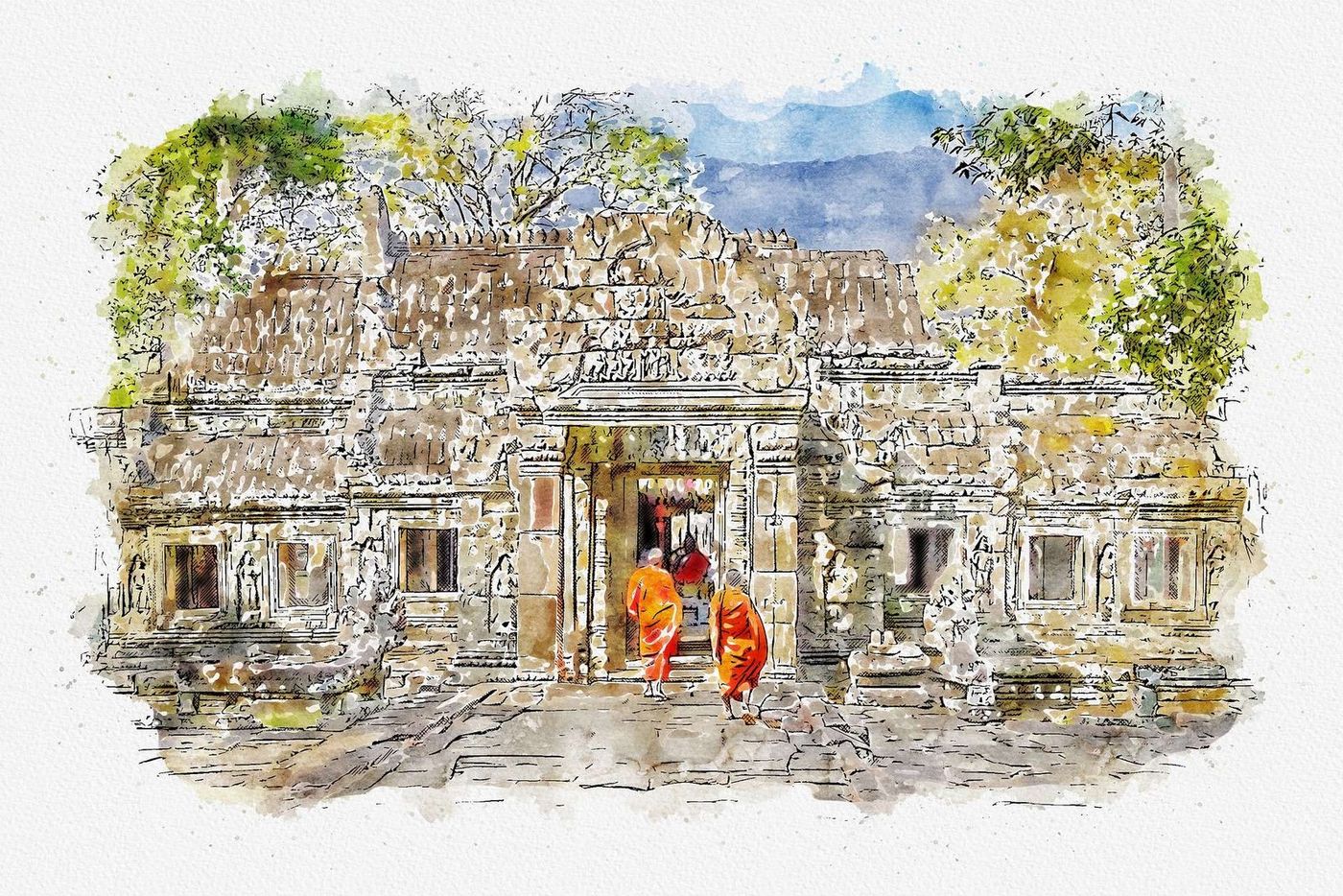
The Khmer Empire, which flourished in Southeast Asia from the 9th to the 15th century, is evidence of the region’s rich cultural legacy and architectural wonders. At the heart of this empire, Queen Viralakshmi left an indelible mark as a powerful figure whose alliances and influence contributed to the empire’s prosperity and expansion. Founded in…
Vijayendralakshmi was an important royal figure who lived during the 11th and 12th centuries CE in the Khmer Empire, the powerful Cambodian kingdom that built the famous Angkor Wat temple complex. She was born in Amalakasthala to a noble family – her brother Nrpendradhipativarman served as the head of the Khmer army and likely aided…
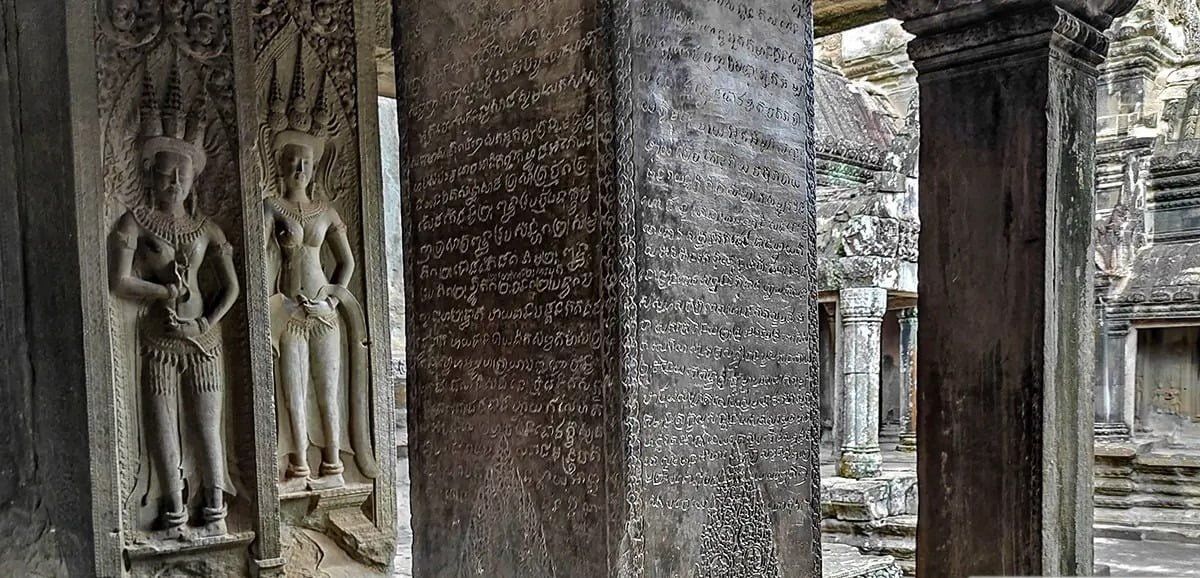
Khmer inscriptions are an invaluable source of historical information about the ancient Khmer civilization in mainland Southeast Asia. These inscriptions, which have been found on various materials such as stone and metal ware, provide insights into the language, culture, religion, legislation, economy, and societal structure of the Khmer people. One of the significant aspects of…
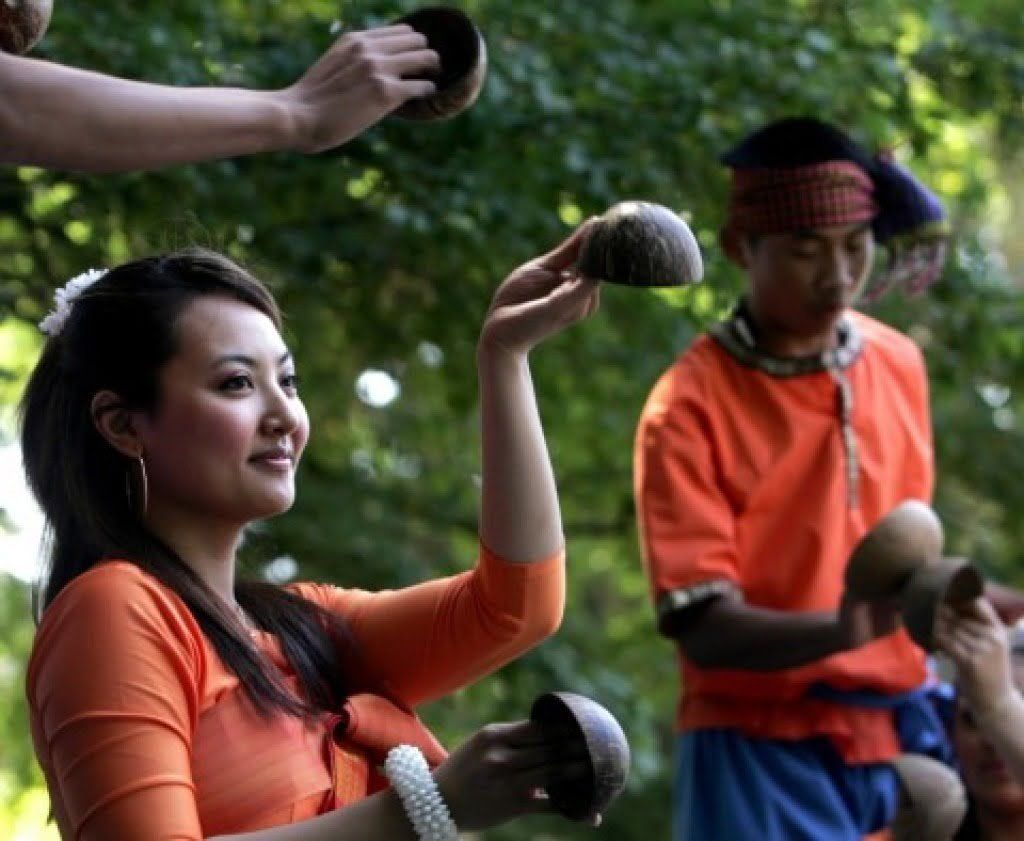
The Robam Kuos Traloak, also known as the Coconut Dance, is a prominent element in Cambodian culture, symbolising tradition, community, and the joy of life. The traditional dance, originating from Romeas Hek district in Svay Rieng Province, is firmly ingrained in Khmer heritage. It is a cherished custom throughout wedding ceremonies and festive gatherings, bringing…
The Poem of Angkor Wat, or “Lpoek Angkor Vat,” stands as a testament to the rich literary and cultural heritage of Cambodia. Dating back to the early 17th century, this Khmer poem is a celebration of the awe-inspiring Angkor Wat temple complex, offering a vivid portrayal of the intricate bas-reliefs that adorn its galleries. Recognized…
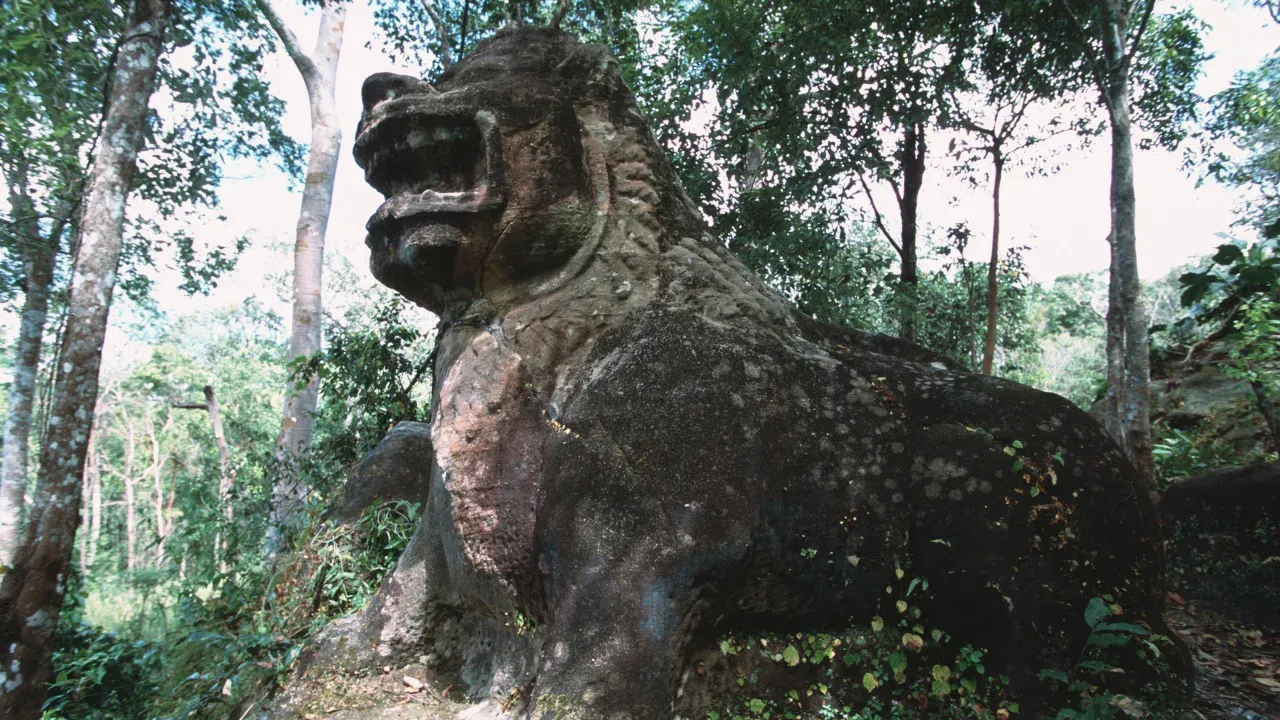
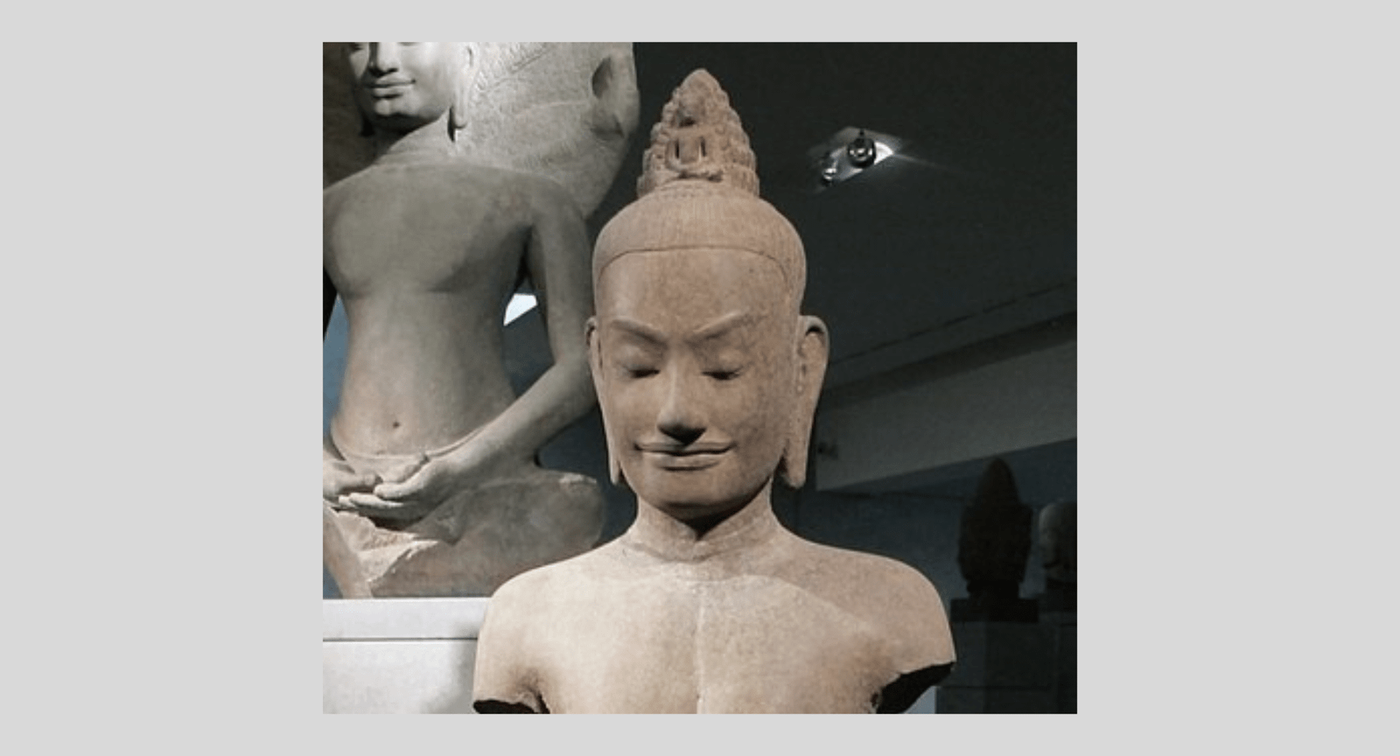
Mahendraparvata, often referred to as the ‘lost city of Cambodia,’ holds significant historical and cultural importance as an early capital city of the Khmer Empire. While knowledge of its existence has been known for decades, the lack of archaeological evidence has kept it shrouded in mystery. However, thanks to an ambitious research campaign utilizing airborne…
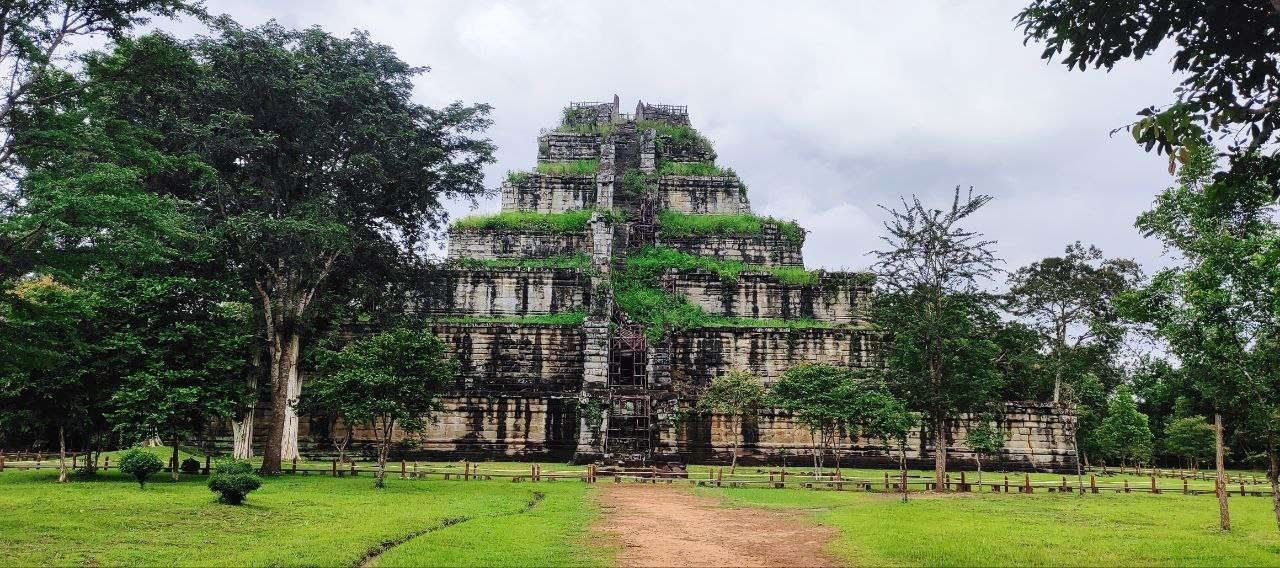
Cambodia has secured another UNESCO World Heritage site with the recent inscription of Koh Ker archaeological site. This brings the number of tangible cultural properties listed by UNESCO for Cambodia to four, following Angkor Archeological Park, Temple of Preah Vihear, and the Temple Zone of Sambor Prei Kuk. The Koh Ker archaeological site has been…
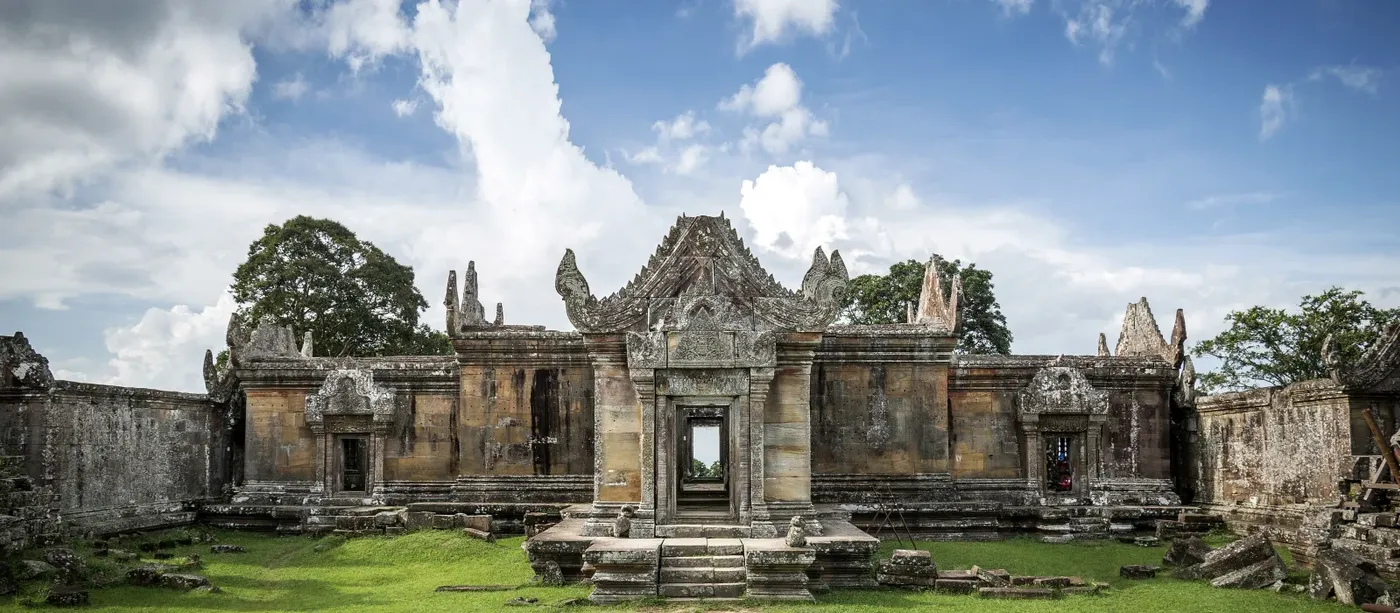
“Today, as Cambodia celebrates the 15th anniversary of Preah Vihear Temples recognition as UNESCO’s World Heritage, we are reminded of the timeless beauty and cultural significance of this ancient architectural marvel. It stands as a testament to the richness of Cambodia’s history, the interplay between Hinduism and Buddhism, and the resilience of its people. Let…
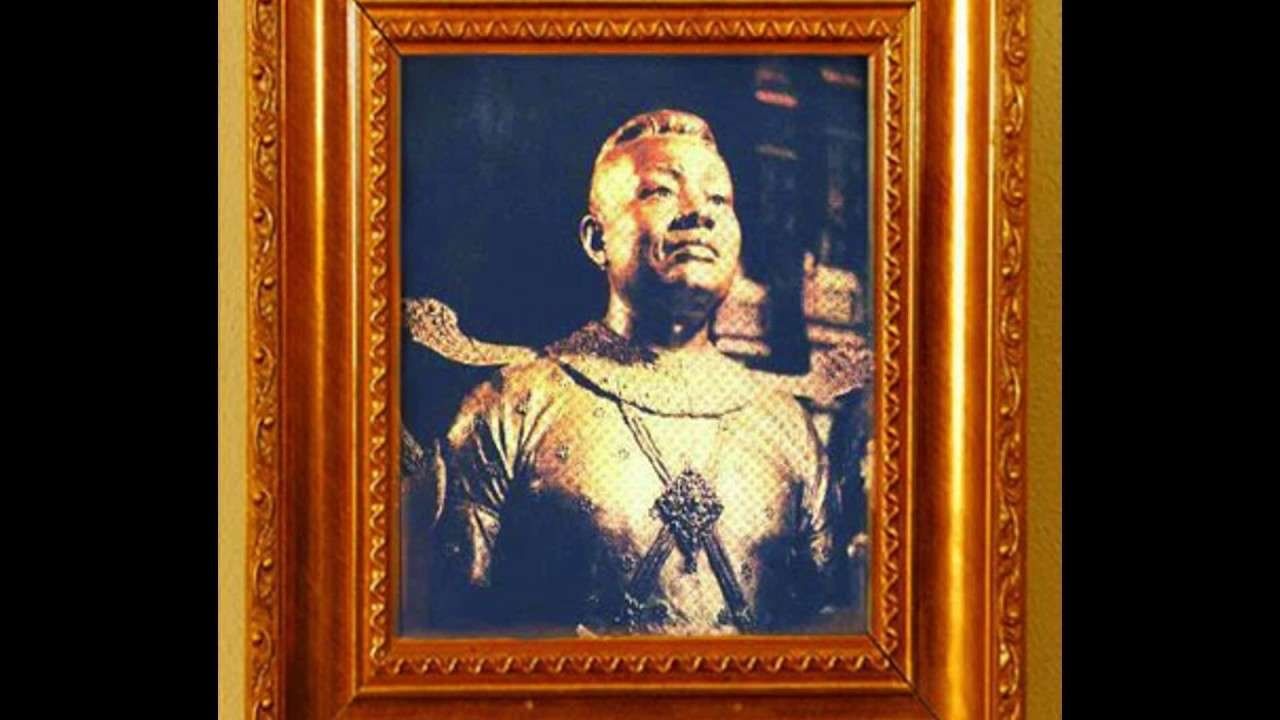
Explore the revolutionary contributions of King Ang Duong, who ruled Cambodia in the 19th century and introduced machine-made coins, transforming the nation’s economy and fostering unity. Learn about the innovative Cambodian Tical, its regional significance, and how King Ang Duong’s visionary leadership continues to impact modern Cambodia. King Ang Duong, who ruled Cambodia during two…
The Unsung Heroine Who Shaped the Khmer Empire In the annals of Cambodian history, King Jayavarman VII stands tall as a powerful and benevolent ruler who shaped the Khmer Empire with his vision and determination. His reign marked an era of prosperity, welfare, and religious transformation. However, behind the great king was an equally remarkable…
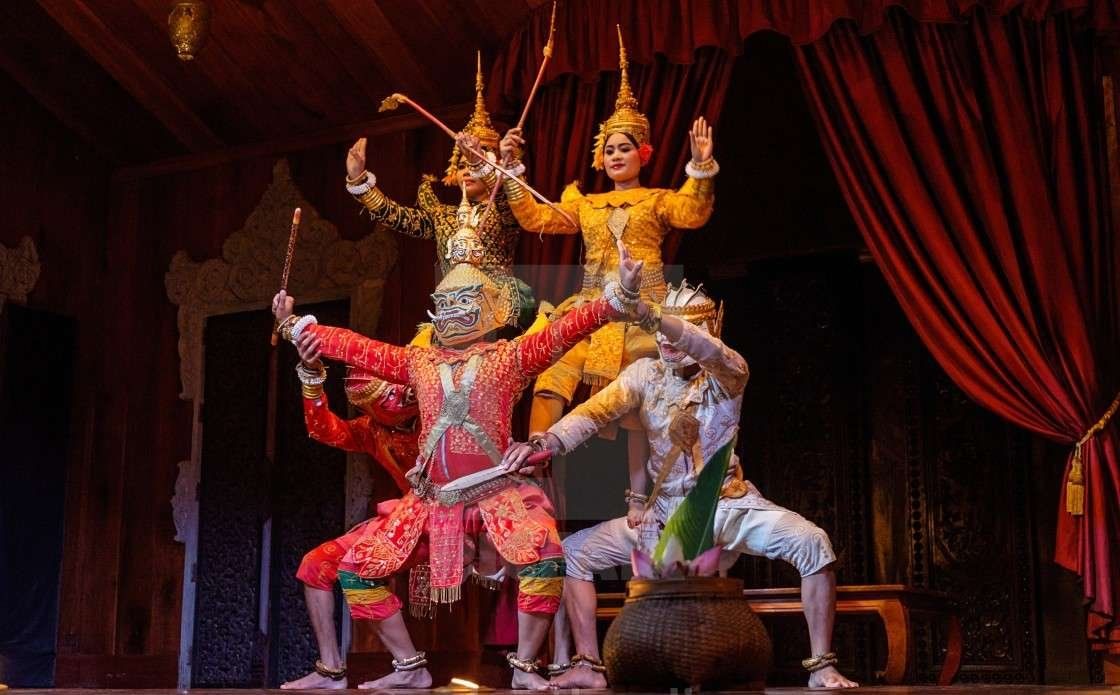
Cambodia is home to one of the world’s most captivating and complex epics, the Reamker. The story centers around the heroic prince Rama, who was exiled to the forest for fourteen years through no fault of his own. The Reamker is an adaptation of the Indian epic Ramayana, but it contains unique episodes and innovations…
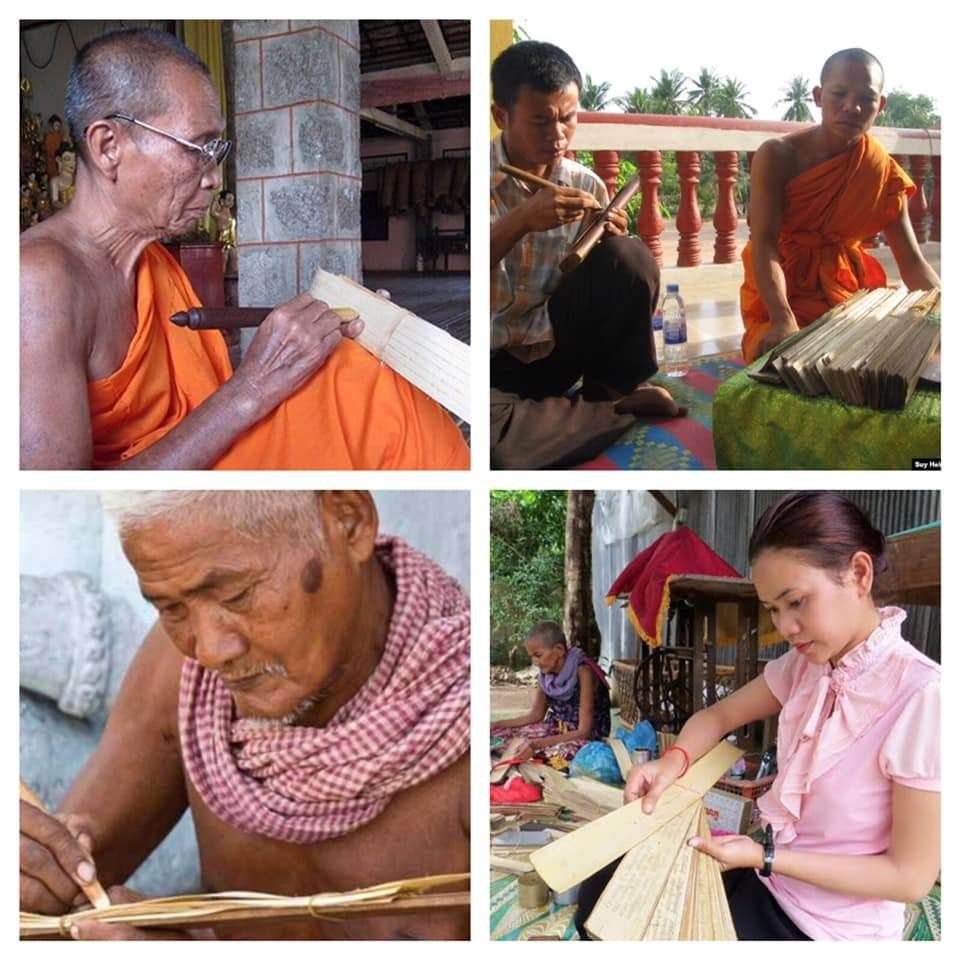
In the lush forests of Cambodia, there is a treasure trove of knowledge that has been preserved for centuries in the form of Khmer sastras. These manuscripts, written in Pali and Khmer, were created during and after the Khmer Empire, which lasted from the 9th to the 15th century. They contain a wide range of…
The early inhabitants of Cambodia are said to be comparable to those of Thailand, Burma, Laos, and Vietnam. Before the first century A.D., the Khmer people who now live in Cambodia may have moved from southeastern China to the Indochinese Peninsula. They are thought to have come before the Vietnamese, Thai, and Lao people who…