Fostering Economic Growth: Insights from Cambodia’s Oknhas and South Korea’s Chaebols
本文暂无中文版本,您正在阅读英文原文。
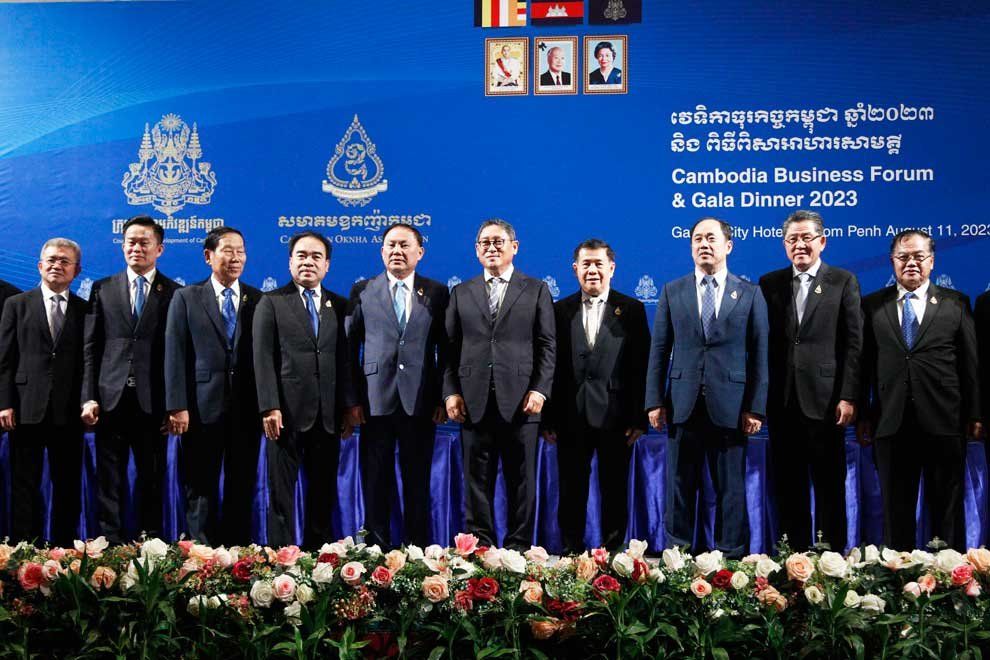
The global economic landscape is intricately shaped by the contributions of key individuals and corporate conglomerates. Within this global framework, Cambodia’s Oknhas and South Korea’s Chaebols stand out as influential entities that have significantly impacted their countries’ economic development.
This analysis delves into the parallels and distinctions between these two groups and explores how Cambodia might draw valuable lessons from South Korea’s approach to nurturing its economic giants, the Chaebols, to promote sustainable growth among its Oknhas.
A striking similarity between Cambodia’s Oknhas and South Korea’s Chaebols is the central role of family in their business structures. Many Oknhas operate family-centric enterprises, mirroring the Chaebols’ traditional family-run business models.
Both groups are also integral to their societies, with Oknhas in Cambodia being recognized for their philanthropic efforts and community development initiatives. In contrast, Chaebols in South Korea are key drivers of the national economy, with their influence spanning sectors like technology, automotive, and finance.
Despite these similarities, the two differ in how they are recognized and their areas of influence. In Cambodia, the title of Oknha is conferred by the monarchy, often in recognition of societal contributions, encompassing a wide array of activities beyond business success. Conversely, Chaebols are identified by their economic might and industrial leadership within South Korea.
Drawing from South Korea’s experience with Chaebols, Cambodia can glean several lessons. Implementing robust regulations to curb monopolistic tendencies and promote fair competition is essential for fostering an inclusive and sustainable economic landscape.
Moreover, enhancing corporate governance through transparency and accountability measures, similar to reforms enacted in South Korea, could benefit Cambodia. This approach would help mitigate power concentration issues and promote ethical business practices.
Investing in education and innovation is another area where Cambodia could take cues from South Korea. Encouraging Oknhas and business leaders to prioritize these investments can drive long-term development and economic resilience.
Acknowledging the contributions of Oknhas is vital, but it should be balanced with the commitment to ethical standards, fair competition, and social responsibility. By drawing on the experiences of South Korea’s Chaebols, Cambodia can navigate a path towards sustainable economic prosperity, ensuring that the growth and recognition of its economic giants contribute positively to society.
As Cambodia stands at a pivotal juncture, the insights from South Korea’s Chaebols can guide the Kingdom in nurturing its Oknhas into forces for sustainable economic development. With strategic regulation, corporate governance improvements, and investments in innovation and education, Cambodia can achieve a balanced and enduring economic growth model.
Vichana Sar, a researcher at the Royal Academy of Cambodia, offers these insights based on his analysis, emphasizing the importance of learning from diverse global examples while tailoring strategies to Cambodia’s unique context.