Hun Manet Announces Plans for Mekong–Tonle Sap Canal Feasibility Study
本文暂无中文版本,您正在阅读英文原文。
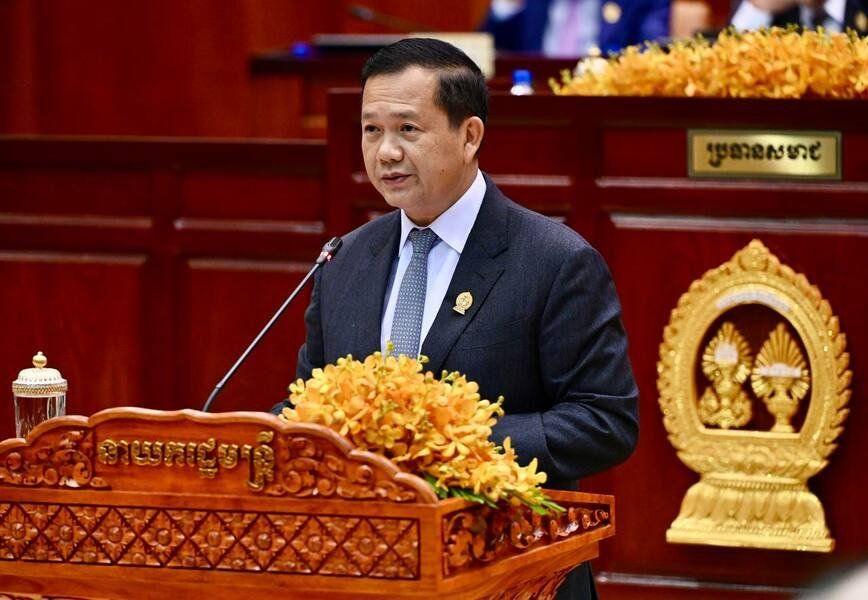
Phnom Penh — Prime Minister Samdech Moha Borvor Thipadei Hun Manet has announced that the Royal Government of Cambodia is moving forward with a feasibility study for a new canal linking the Upper Mekong River to the Tonle Sap Lake, with the goal of improving irrigation, water balance, and future inland transport infrastructure.
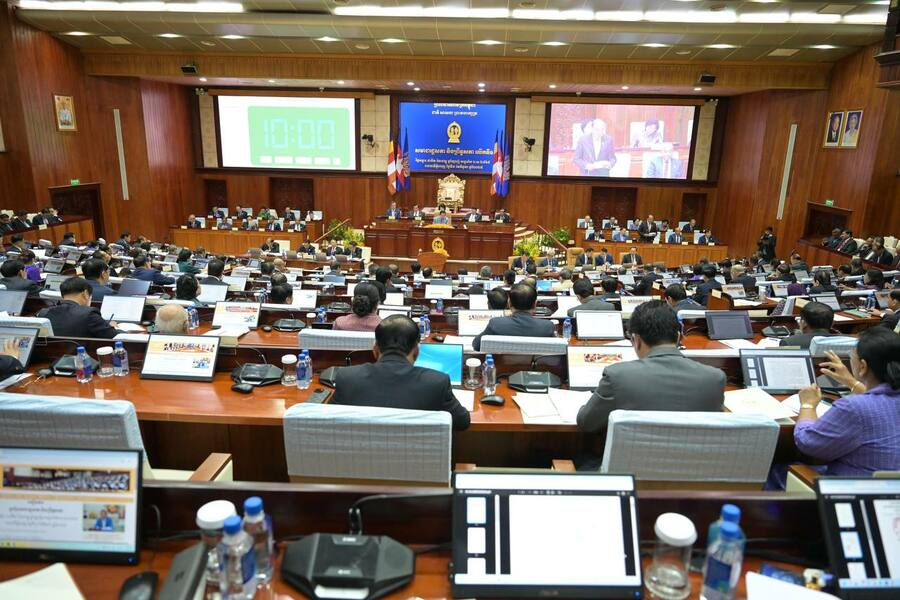
Speaking during the joint congress of the National Assembly and Senate on June 3, the Prime Minister revealed that he has directed the Ministry of Water Resources and Meteorology to partner with the Korean government through the Korea International Cooperation Agency (KOICA) to undertake a technical and environmental study. The proposed route would extend from the Upper Mekong River in Stung Treng province to Stung Sen, and ultimately connect to Tonle Sap Lake.
“The aim is to ensure water balance in the agricultural sector and to support transportation,” said Samdech Thipadei. He further suggested that the canal could potentially be extended from Tonle Sap Lake to an area near Poipet in the future, significantly enhancing Cambodia’s domestic connectivity and logistics capacity.
“If the Funan Techo Canal is built, our waterway transport system will become even more vital,” he added, highlighting the strategic value of integrated canal development for the country’s long-term economic and infrastructure planning.
Feasibility Under Review
The initial feasibility study will examine the potential to link the Upper Mekong in Stung Treng to Stung Sen—a stretch of roughly 70 kilometres. This water route, if viable, would support Cambodia’s broader goals of improving year-round irrigation for agriculture and stabilizing water flow to Tonle Sap Lake, a crucial ecological and economic resource.
The study will include detailed environmental impact assessments, technical evaluations of terrain and flow management, and long-term economic projections. The collaboration with KOICA brings international expertise and financing support to the early stages of planning, underscoring the project’s potential regional significance.
Expanding National Water Infrastructure
Highlighting Cambodia’s existing water infrastructure, H.E. Thor Chetha, Minister of Water Resources and Meteorology, shared that the country currently maintains over 2,000 irrigation systems—small, medium, and large—spanning approximately 70,000 kilometres. Additionally, Cambodia operates eight major reservoirs with storage capacities ranging from 20 million to 400 million cubic metres. These figures do not include over 1,600 smaller reservoirs or the extensive water volumes drawn from the Mekong River and Tonle Sap Lake.
Together, Cambodia’s reservoir systems collectively store an estimated 4,000 million cubic metres of water. This supply serves a wide range of sectors, including agriculture, industry, clean water supply, and construction.
Supporting Agriculture and Climate Resilience
With agriculture employing over a third of Cambodia’s workforce and contributing significantly to national GDP, the proposed canal project aligns with government efforts to enhance climate resilience and reduce dependence on unpredictable seasonal rainfall.
Linking the Mekong River to the Tonle Sap basin could help better regulate water flow during dry and wet seasons, reduce flood risk in lowland areas, and increase irrigation potential for rice cultivation and high-value crops across the central plains.
Future Outlook
While still in its preliminary phase, the project is part of a broader vision by the Hun Manet-led government to invest in sustainable infrastructure, green development, and rural economic transformation. If found feasible and implemented, the canal would complement the proposed Funan Techo Canal, a key strategic waterway aimed at improving maritime connectivity between Phnom Penh and the southern coast.
The government’s approach reflects a strong focus on long-term water management and integrated transport systems, both critical to supporting Cambodia’s economic diversification and improving living standards in rural regions.
As technical assessments begin under the Cambodia–KOICA partnership, the initiative marks another step toward building resilient, future-ready infrastructure to support inclusive growth.