Cambodia and FAO Plan Closer Work on Food Safety, Standards and Agro-Processing
Cambodia’s Ministry of Industry, Science, Technology and Innovation and the FAO discussed closer cooperation on food safety, quality standards and agro-processing to raise domestic production and exports.
本文暂无中文版本,您正在阅读英文原文。
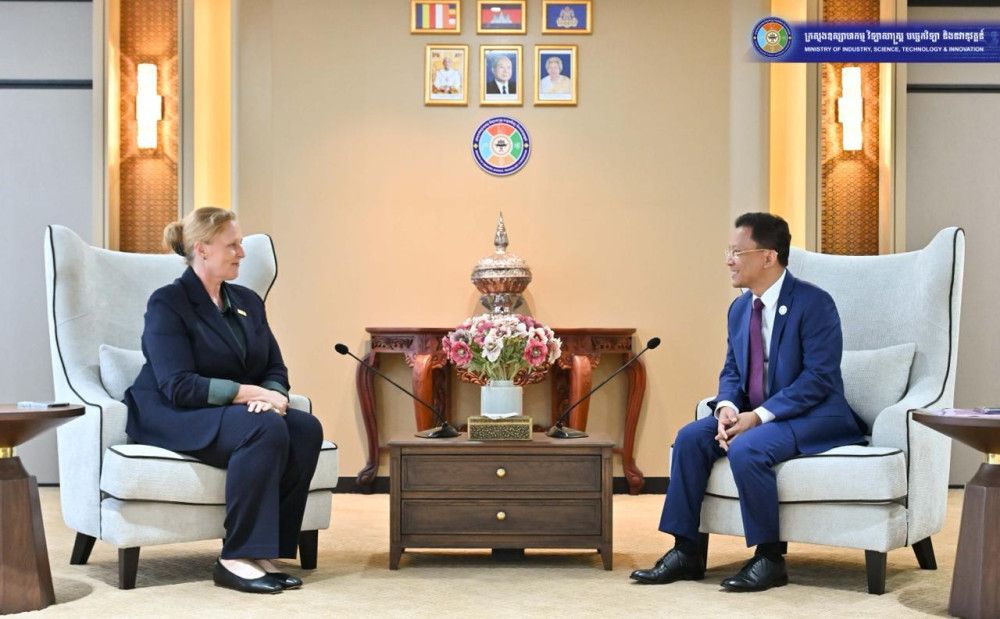
Cambodia’s Ministry of Industry, Science, Technology and Innovation (MISTI) and the Food and Agriculture Organization of the United Nations (FAO) plan to work more closely on food safety, quality standards and agro-processing, to strengthen domestic production and open more international markets to Cambodian food.
Key points
- Minister Hem Vanndy met outgoing FAO Representative Rebekah Bell at MISTI on 21 October 2026.
- They discussed food safety, standards, laboratory testing and agro-processing.
- The Institute of Standards of Cambodia is now the national focal point for Codex Alimentarius.
- Stronger food control systems were named a priority for future cooperation.
A farewell meeting with an agenda
Minister Hem Vanndy discussed the plans with Rebekah Bell, FAO’s outgoing Representative in Cambodia, at MISTI on 21 October 2026. Bell has served in Cambodia since 2022.
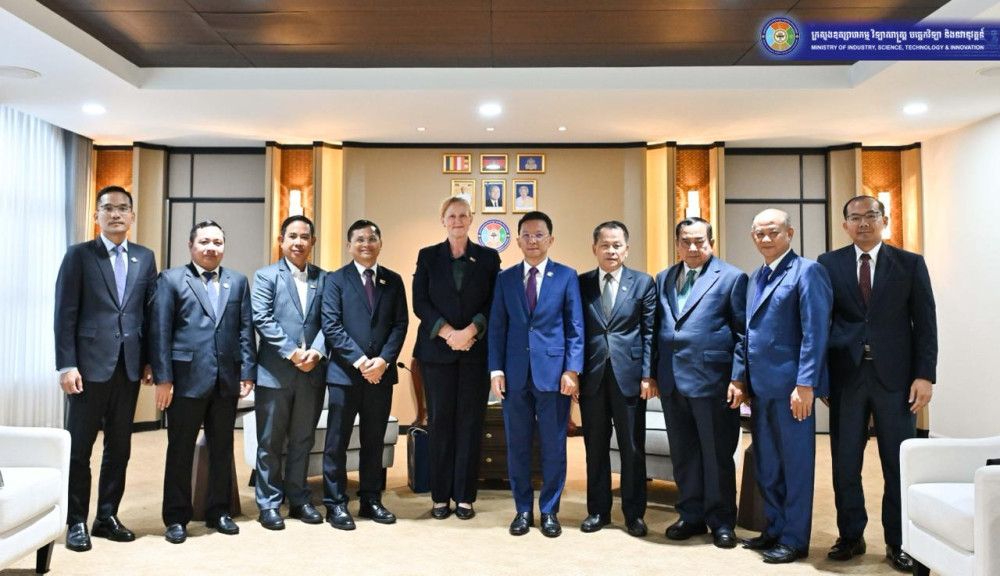
The minister thanked FAO for its contribution and said Cambodia needs to strengthen its national quality infrastructure (standards, metrology, laboratory testing and accreditation) to support higher-value farm production and exports.
“We believe that Cambodia can benefit more from FAO’s expertise in the food industry,” Hem Vanndy said. Farmers and food processors, he said, need help to adopt new technology, improve food safety and keep more of the value of their products in Cambodia.
Codex and food control systems
Bell welcomed Cambodia’s progress in developing standards and laboratory testing, in particular the designation of the Institute of Standards of Cambodia as the national focal point for the Codex Alimentarius, the international food standards set by FAO and the World Health Organization.
She named stronger food control systems as a priority for future cooperation. “We will get better nutritional outcomes for Cambodians, better food security outcomes, and better export outcomes for Cambodia with stronger food control systems,” she said.
Next steps
The two sides discussed technical assistance through Codex, bilateral partnerships and regional cooperation, as well as more investment in technology for fisheries, aquaculture and vegetable production to reduce Cambodia’s reliance on imports. Hem Vanndy said MISTI would support these priorities through standards, technology adoption, research and agro-processing.
Frequently asked questions
What is Codex Alimentarius?
The international food standards developed by FAO and the World Health Organization. The Institute of Standards of Cambodia is Cambodia’s national focal point for Codex.
Why do food standards matter for Cambodian exports?
Meeting international food safety and quality standards, backed by laboratory testing and accreditation, is needed to sell higher-value agricultural products abroad.
根据Agence Kampuchea Presse (AKP)的报道改写,经授权使用。