Phnom Penh: The Pearl of Asia
本文暂无中文版本,您正在阅读英文原文。
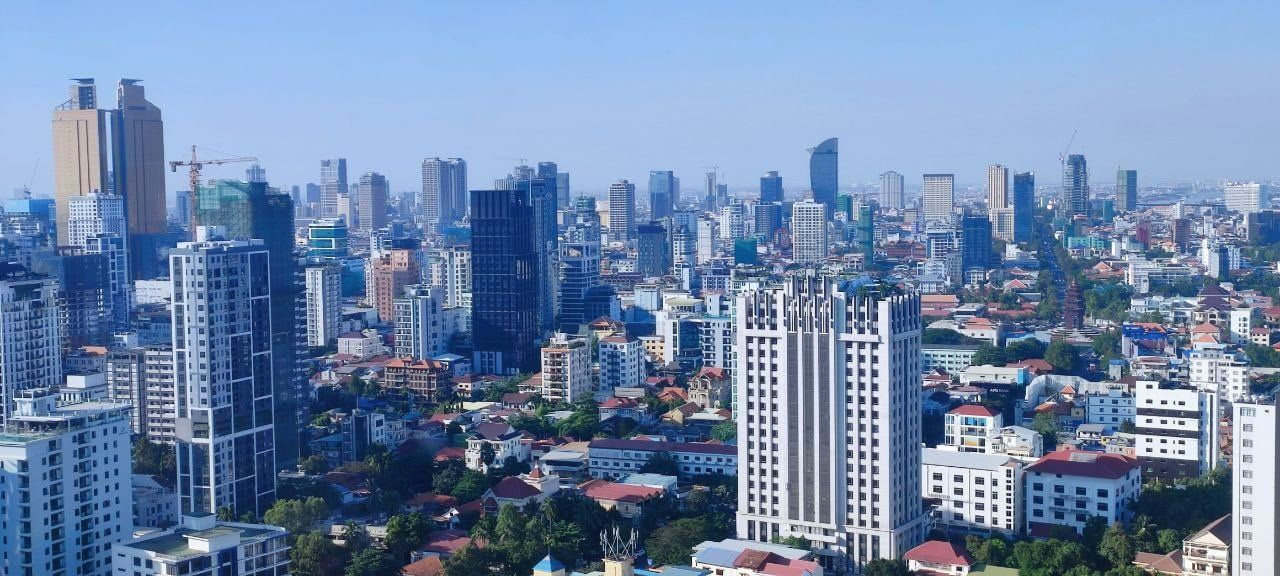
Phnom Penh, the vibrant capital and most populous city of Cambodia, holds a rich history and cultural significance that has shaped its identity as the “Pearl of Asia.” This title reflects the city’s historical charm, architectural beauty, and its pivotal role in the nation’s economic, industrial, and cultural development.
The origins of Phnom Penh can be traced back to the 5th century AD, with evidence of ancient settlements discovered in the Choeung Ek commune. The legend of its founding in 1372 tells the story of Lady Penh discovering sacred objects within a floating koki tree, leading to the establishment of Wat Phnom on a hill along the Tonlé Sap River. This marked the beginning of Phnom Penh’s rise to prominence.
The city became the capital of Cambodia in 1434 after King Ponhea Yat moved the capital from Angkor Thom. However, due to internal conflicts, it was abandoned for 360 years before being reestablished in 1865 under the reign of King Norodom I. This marked a turning point in Phnom Penh’s history, as it became the permanent seat of government and the capital of Cambodia.
The late 19th and early 20th centuries witnessed the transformation of Phnom Penh into a modern city under French colonial influence. The city’s architecture, influenced by colonial French designs and featuring Art Deco works, earned it the moniker “Pearl of Asia.” Grand boulevards adorned with surviving colonial-era buildings added to the city’s aesthetic appeal.
Phnom Penh’s significance goes beyond its architectural beauty. The city served as a cultural hub with institutions of higher learning, including the Royal University of Phnom Penh and the Royal University of Agronomic Sciences. These institutions played a crucial role in fostering education and knowledge in engineering, fine arts, technology, and agricultural sciences.
Throughout the 20th century, Phnom Penh continued to thrive economically and culturally. By the 1920s, it had solidified its reputation as the “Pearl of Asia.” The city experienced rapid growth, with the development of infrastructure such as railways and the establishment of Pochentong International Airport.
In recent times, Phnom Penh has maintained its status as a significant global and domestic tourist destination. The city has hosted various regional and international events, including the ASEAN Summit and the Southeast Asian Games. Its rich history, historical architecture, and attractions make it a compelling destination for visitors from around the world.
As Phnom Penh looks towards the future, it continues to evolve and embrace its role as a dynamic and culturally diverse city. With plans to host the Asian Youth Games in 2029, Phnom Penh is poised to write new chapters in its history while preserving the legacy that earned it the cherished title of the “Pearl of Asia.”