Post-Harvest Technologies That Boost Farmer Incomes
本文暂无中文版本,您正在阅读英文原文。
Why Post-Harvest Technologies Matter
In Cambodia, agriculture is not just a livelihood—it’s a way of life. Nearly 75% of Cambodians live in rural areas, and farming contributes significantly to employment and the country’s GDP. Yet, despite hard work, farmers often struggle with post-harvest losses that reduce their incomes. Studies show that up to 25% of rice and 30–50% of fruits and vegetables can be lost after harvest due to poor drying, handling, storage, and transport systems.
These losses directly impact food security and farmer income. Every bag of rice that spoils or every box of mangoes that rots before reaching the market is money lost. Post-harvest technologies—simple or advanced—can help address these challenges, reducing losses, improving food quality, and boosting farmer incomes without increasing land use or labor.
With the Cambodian government’s Pentagon Strategy 2023–2028 and National Agricultural Development Policy 2022–2030 prioritizing value chain improvements, post-harvest technologies are becoming a key focus area for sustainable rural development.
Solar Dryers: Turning Sunlight into Profits
Traditional sun drying is common across Cambodian farms, especially for fish, chilies, and rice. However, laying produce out in the open exposes it to pests, rain, and contamination. Modern solar dryers solve these issues.
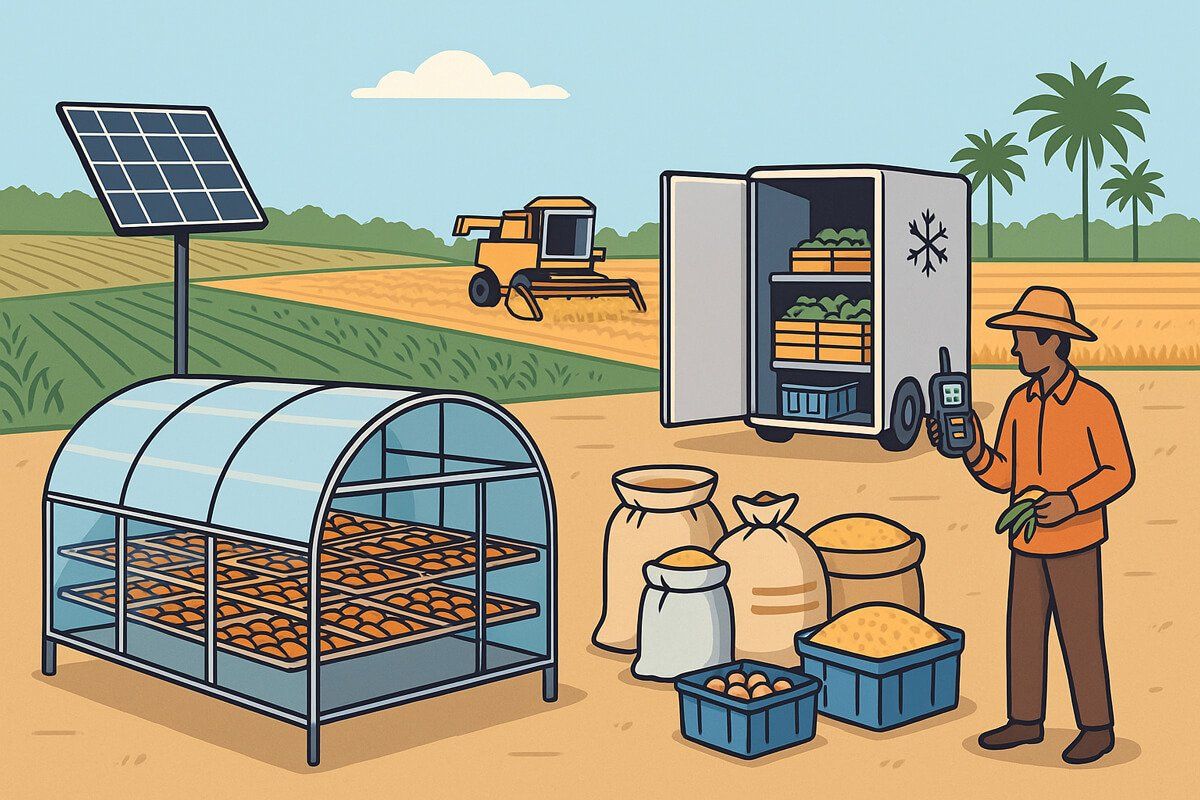
Solar dryer domes—enclosed structures with transparent roofs—use sunlight and airflow to dry produce in a controlled environment. These domes reduce drying time from days to hours, protect against contamination, and improve the quality of the final product.
In the fish processing sector, solar dryers introduced by the EU and UNIDO cut drying time from 3–7 days to 8–12 hours, producing cleaner, better-tasting dried fish. Similar results have been achieved with fruits and vegetables. Cambodian company Harvest the Sun Co. Ltd has introduced various sizes of solar dryers, some drying up to 1.5 tons of produce per batch, using only sunlight.
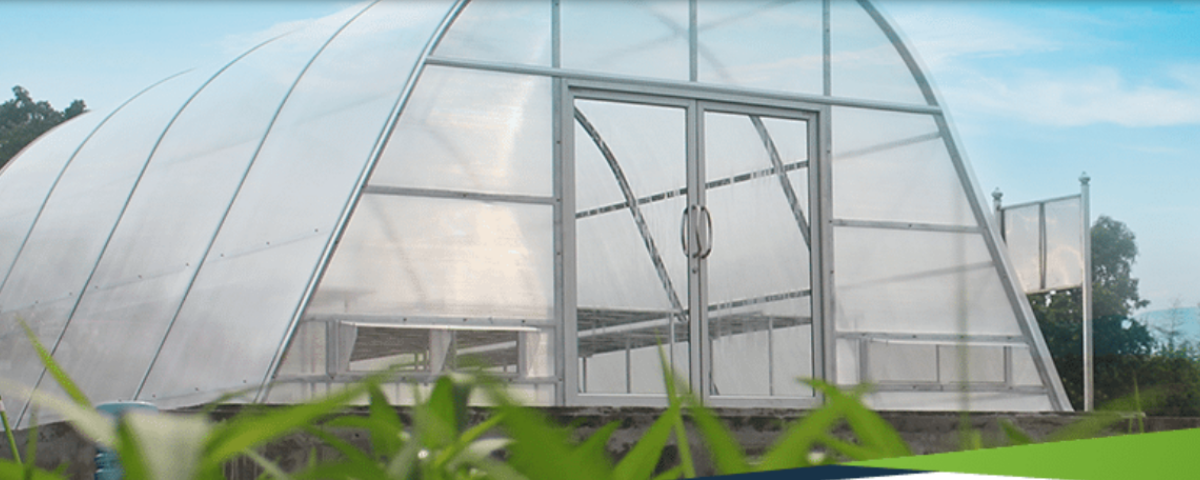
These dryers allow farmers to dry surplus produce, store it longer, and sell at better prices later. For example, mangoes can be converted to dried mango snacks, which fetch a higher price than fresh fruit during gluts. With minimal operational costs and long-term durability, solar dryers are proving to be a high-return investment for cooperatives and small processors alike.
Also read, Japan Tourism Corporation CEO Explores Smart Agriculture Investment Opportunities in Cambodia
Cold Storage and Cold Chains: Preserving Quality in Heat
Cambodia’s tropical climate, while excellent for growing food, also speeds up spoilage. Perishables like vegetables, fruits, and fish degrade quickly without cooling. Most small farmers don’t have access to cold storage or refrigeration, forcing them to sell quickly and at low prices.
Innovative solutions like solar-powered cold rooms are starting to change this. In Battambang province, a cooperative built a solar-powered cold room that helps keep vegetables fresh until they can be sold or transported. These facilities extend shelf life, reduce losses, and allow farmers to wait for better market prices.
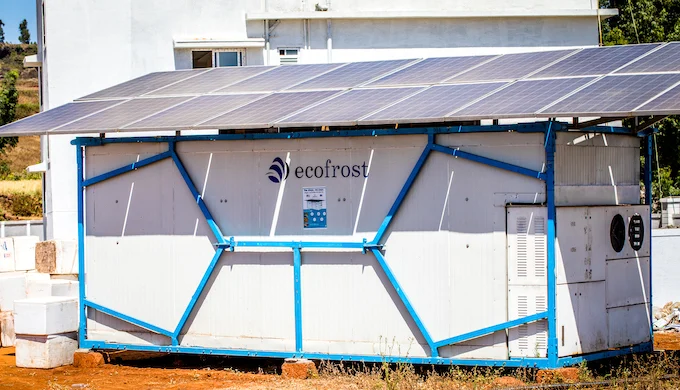
A more advanced approach is building cold chains—integrated systems of refrigerated storage and transport. Cold chains are critical for exporting fresh produce and maintaining quality throughout distribution. Cambodian startups and donor-funded programs are helping set up such systems for high-value crops like mangoes and longan.
Even low-cost innovations like the “CoolBot” system—using modified air conditioners to create cold rooms—are being tested successfully in Cambodia. When farmers use such systems, they report lower spoilage, better product appearance, and more stable incomes.
Hermetic Bags: Safe Grain Storage at Low Cost
Not all losses are visible. Grains like rice and maize can degrade quietly in storage due to pests, humidity, and mold. Traditional woven sacks don’t protect against these factors, and fumigation with chemicals is costly and hazardous.
Hermetic bags—airtight, multi-layer plastic bags—offer an effective solution. By sealing out oxygen, they prevent insect growth and mold without using chemicals. Farmers can store rice, seeds, or pulses safely for months, retaining quality and reducing losses.
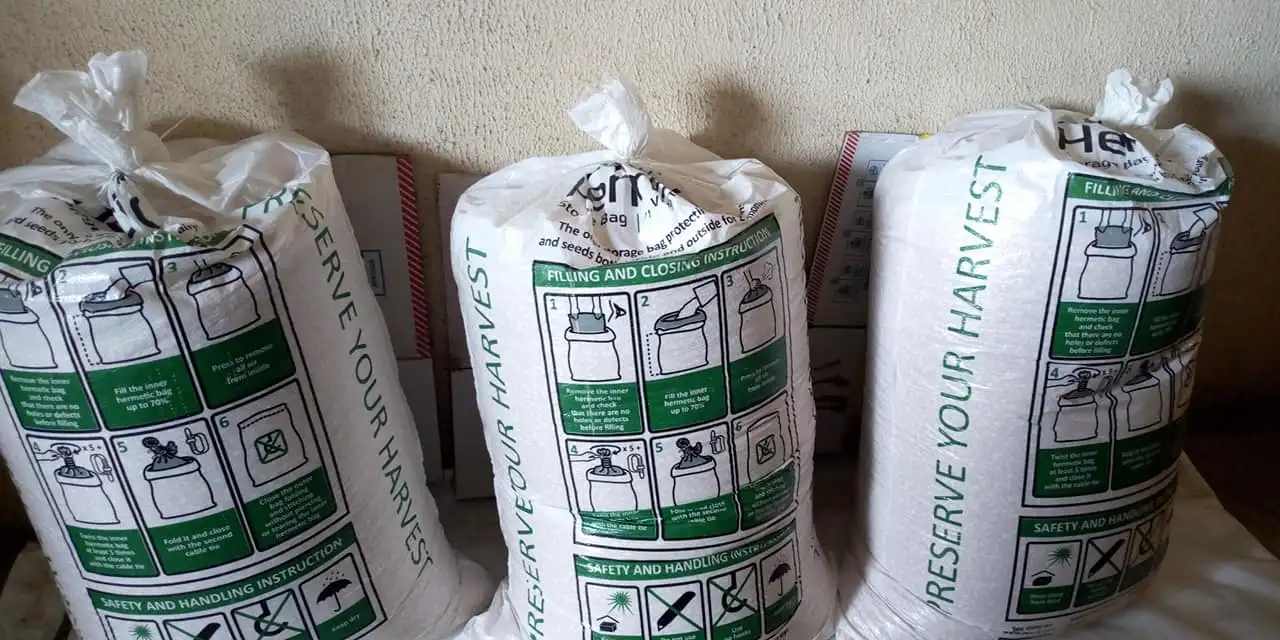
At about $2–3 per bag (which holds 50–100 kg), hermetic storage is affordable and highly effective. Research by IRRI shows that rice stored in hermetic bags retains its quality and germination rate far longer than in traditional storage. Cambodian farmers using these bags are able to sell later at higher prices or store seed for the next season with confidence.
These bags are especially valuable for cooperatives and seed producers. They reduce the need for emergency sales during low-price periods and improve food security at the household level.
Also read, A New Chapter of Growth and Innovation in Agriculture — in Cambodia
Moisture Meters: Small Tools with Big Impact
Moisture content determines whether grain is safe to store. Too much moisture leads to mold, sprouting, and spoilage. Traditionally, farmers in Cambodia estimate moisture by touch or bite—an imprecise method.
Handheld moisture meters take the guesswork out. For under $50, these devices help farmers check if their rice, corn, or beans are dry enough for safe storage or sale. This is particularly important when using hermetic bags, which only work if the grain is dry.
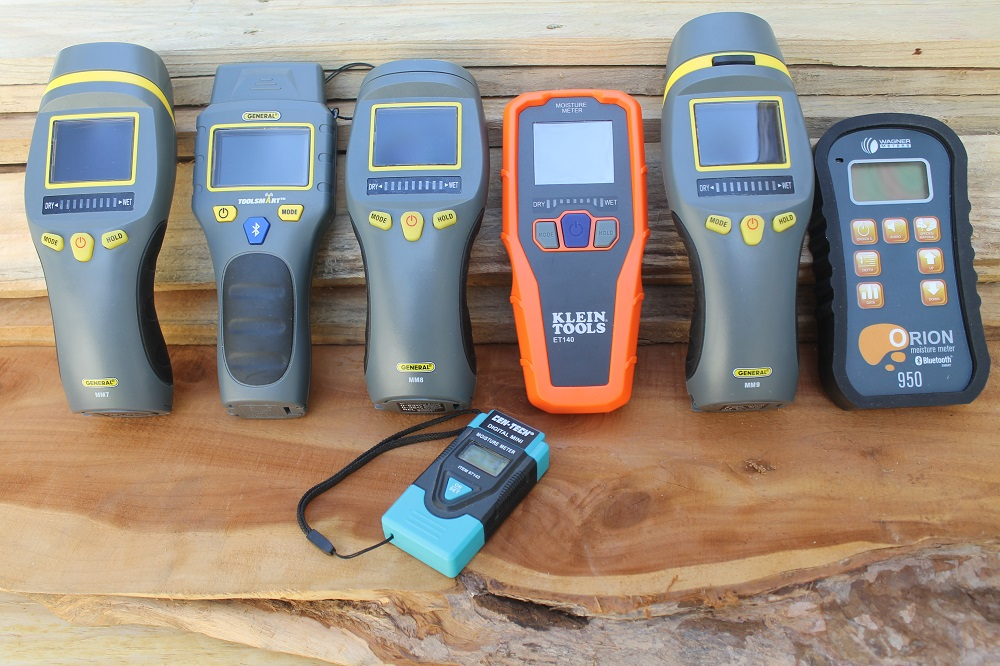
Projects in Cambodia have distributed moisture meters through cooperatives and training sessions, and farmers report fewer losses and better market prices as a result. Some millers also require moisture testing before purchase, encouraging broader adoption.
As one farmer put it, “The meter saved my rice from rotting. Now I know when it’s safe to store.”
Mobile Threshers and Combine Harvesters
Manual harvesting and threshing are labor-intensive and can result in up to 10% losses due to grain spillage or spoilage. Mechanized options—like mobile threshers and combine harvesters—help address this.
Combine harvesters, widely used in Cambodia’s rice bowl provinces, cut and thresh rice in a single step, reducing labor and minimizing losses. For farmers without access to combines, mobile threshers offer a smaller-scale option that can be brought to the field.
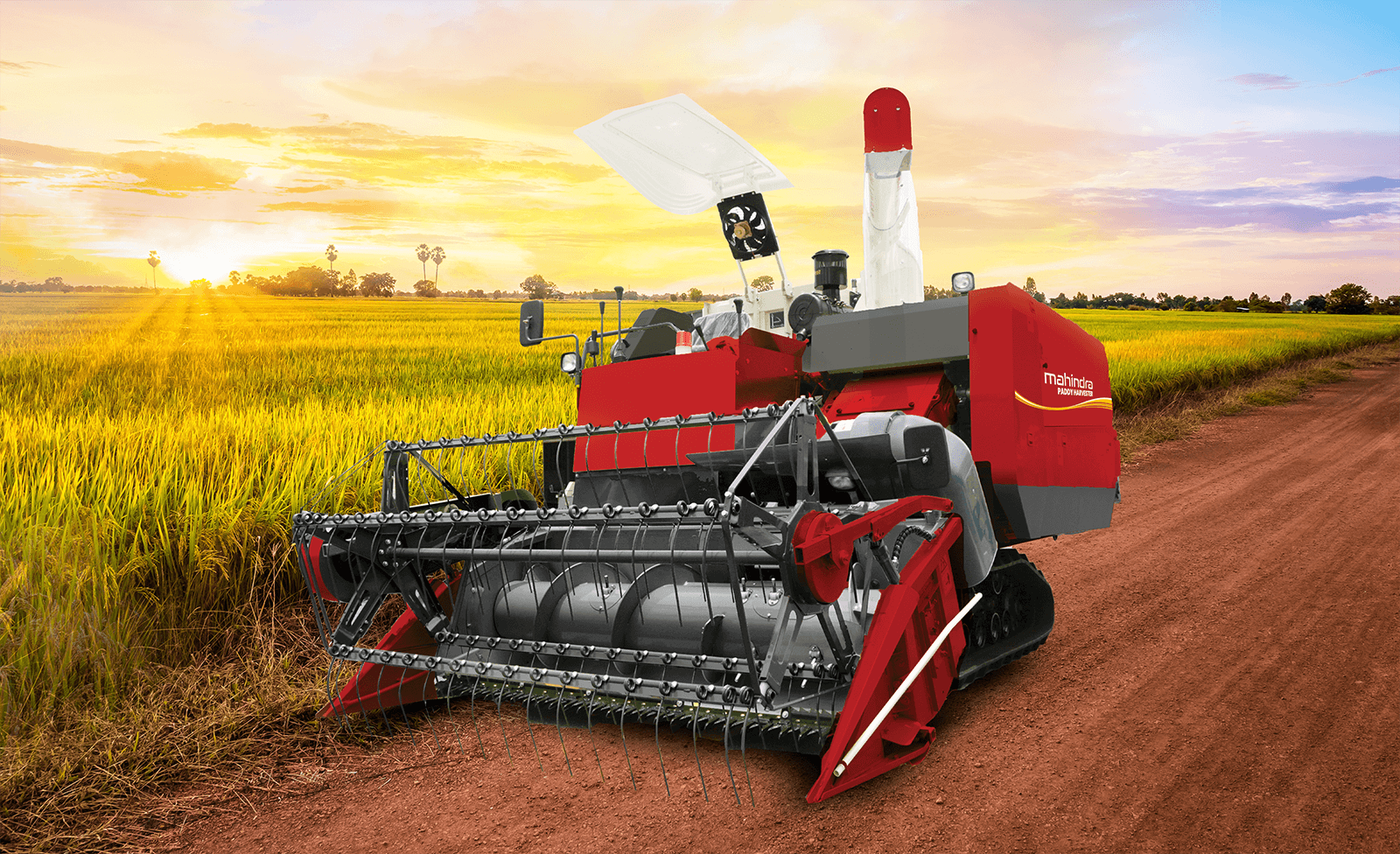
These technologies save time and reduce dependency on hired labor, which is increasingly scarce in rural areas. Service providers often rent them to farmers on a per-hectare or per-hour basis, making them accessible without needing to own the equipment.
Studies by IRRI show that use of mechanized harvesters and threshers significantly increases rice recovery and reduces contamination, resulting in better prices at sale.
Also read, Cambodian PM Hun Manet Pledges Continued Support for Agriculture and Food Security
Government and Donor Support
The Cambodian government, recognizing the importance of value chain development, has incorporated post-harvest technologies into its strategic plans. The Pentagon Strategy and the National Agricultural Development Policy promote agro-processing, cold chain infrastructure, and farmer cooperatives.
International organizations like FAO, GIZ, ADB, and USAID have partnered with the Ministry of Agriculture and private firms to fund solar dryers, cold rooms, and training programs. These partnerships have built drying centers, packhouses, and cooperatives that serve thousands of farmers.
Private sector involvement is also growing. Startups are investing in cold logistics, solar equipment, and processing facilities. Together, these efforts are reshaping the rural economy.
Challenges and Solutions
Despite the benefits, adoption of post-harvest technologies is uneven. Small farmers face barriers such as:
- Lack of capital to invest
- Limited access to equipment
- Low awareness and technical knowledge
Solutions include:
- Government subsidies and grants for cooperatives
- Public-private partnerships to share infrastructure
- Training and extension services to build local capacity
- Promotion of low-cost, scalable technologies like hermetic bags and solar dryers
By making these tools more accessible and aligning them with market incentives, adoption will grow organically.
Also read, SKO-01 Rice: A Triumph of Cambodian Agriculture
Conclusion: Saving More, Earning More
Post-harvest technologies are not just tools—they are gateways to better incomes, improved food security, and stronger rural economies. In Cambodia, where a large portion of crops is lost or devalued after harvest, these innovations offer one of the most direct paths to rural prosperity.
Whether it’s a solar dryer in Takeo, a hermetic bag in Battambang, or a cold room in Siem Reap, the outcome is the same: less loss, more value. As Cambodia modernizes its agriculture, post-harvest improvements will be essential to ensure that farmers reap the full rewards of their labor.
By investing in these technologies today, Cambodia is laying the foundation for a more resilient and prosperous tomorrow—one where no harvest is wasted, and every grain counts.