ADB Approves US$72 Million to Help 200,000 Cambodian Smallholder Farmers and Women Build Resilience
The Asian Development Bank has approved a US$72 million package to make about 200,000 Cambodian smallholder farmers more resilient to extreme weather, with new irrigation, rural roads and a strong role for women.
本文暂无中文版本,您正在阅读英文原文。
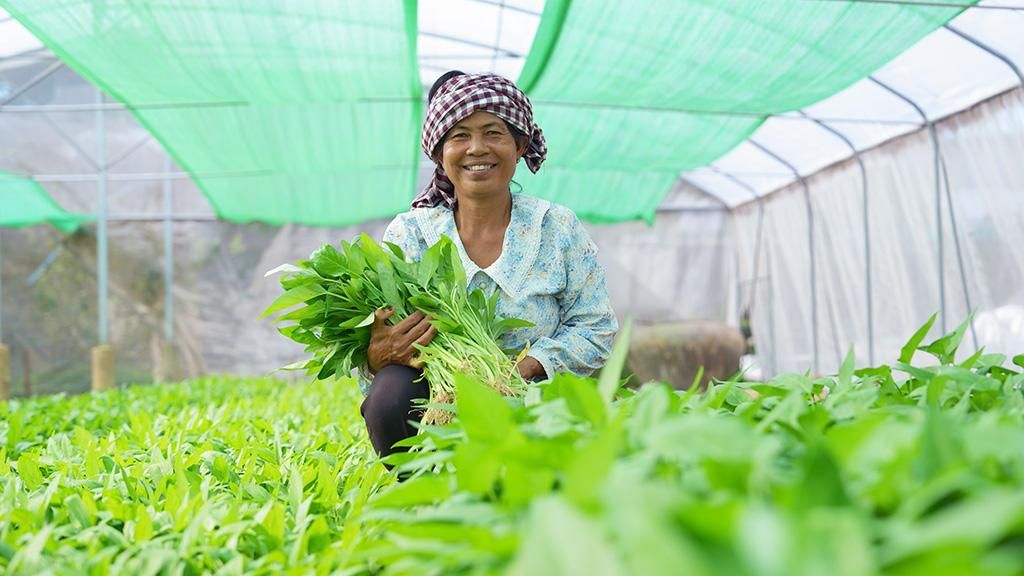
The Asian Development Bank (ADB) announced on 26 October 2026 that it has approved a US$72 million financing package to strengthen farming in rural Cambodia, widen the role of women in agriculture and help about 200,000 smallholder farmers in disaster-prone communes cope with extreme weather. The Smallholder Resilient Economic Development Sector Project will cover 186 communes in seven provinces.
Key points
- The Asian Development Bank approved US$72 million, made up of a US$57 million concessional loan and a US$15 million grant.
- About 200,000 smallholder farmers in 186 communes across seven provinces are expected to benefit.
- Plans include modern irrigation for an extra 7,000 hectares and 190 kilometres of rehabilitated access roads.
- Co-financing comes from the ASEAN Infrastructure Fund, the Green Climate Fund, a Japan-financed fund and the Government of Cambodia.
- Women, who make up 51% of Cambodia's agricultural workforce, will help run local early-warning and disaster-response systems.
ADB's share is made up of a US$57 million concessional loan and a US$15 million grant from the Asian Development Fund. Further support comes from the ASEAN Infrastructure Fund (US$23 million), a US$10 million grant from the Green Climate Fund, a US$3 million grant from the Japan Fund for Prosperous and Resilient Asia and the Pacific, financed by the Government of Japan, and US$4.3 million from the Royal Government of Cambodia.
Water, roads and new skills for farm families
The project is designed to tackle the practical obstacles that hold small farms back. Irrigation will be modernised to serve an additional 7,000 hectares of farmland, giving growers a more dependable water supply through dry spells. Some 190 kilometres of rural access roads will be rehabilitated, making it easier for farmers to reach markets and for families, particularly women and underserved groups, to reach jobs and services.
Farmers will also receive training and technical support in crop production, horticulture, poultry, insect farming and aquaculture, with an emphasis on practices that stand up better to heat, drought and floods. Grants will help households cut their reliance on imported fuel and fertilisers, an important step towards protecting rural incomes from global price shocks.
Women at the heart of rural resilience
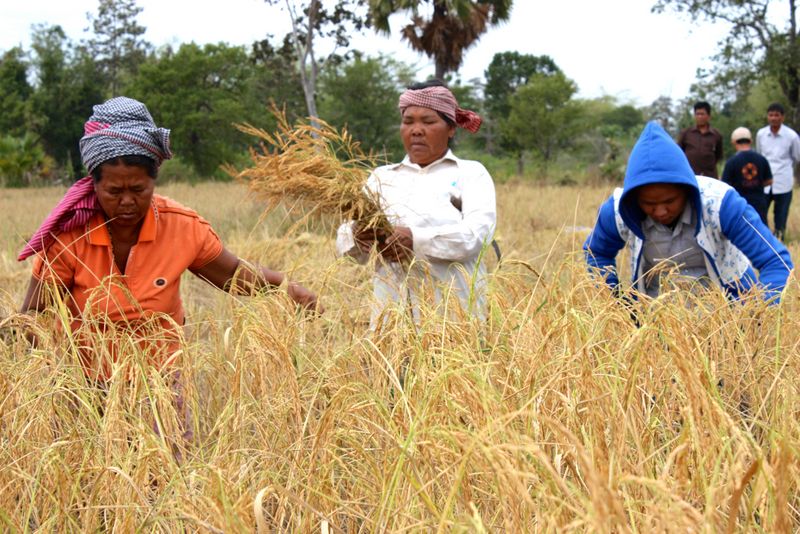
Around 59% of Cambodians live in rural areas, and women account for 51% of the country's agricultural labour force. The programme builds on that reality. Communities will plan and run their own early-warning and disaster-response systems, with women and vulnerable groups taking an active part, and the project will support women to lead and join local decision-making and development programmes. It will also help scale up inclusive farm value chains and women-led businesses, while promoting healthier diets.
Ms. Yasmin Siddiqi, ADB Country Director for Cambodia, said that investing in smallholder farmers, and women in particular, is essential for boosting the rural economy and protecting the communities most exposed to extreme weather. She added that giving women a stronger voice in local decisions would strengthen food systems and support healthier, more secure families.
By bringing together a development bank, a regional infrastructure fund, a global climate fund, Japan and the Royal Government of Cambodia behind a single programme, the package shows the breadth of international partnership behind Cambodia's rural development.
Sources: Asian Development Bank, AKP.
Frequently asked questions
How much has ADB approved for Cambodia's smallholder farmers?
US$72 million: a US$57 million concessional loan and a US$15 million grant from the Asian Development Fund, with further co-financing from the ASEAN Infrastructure Fund, the Green Climate Fund, a Japan-financed fund and the Government of Cambodia.
How many farmers will benefit from the project?
About 200,000 smallholder farmers in 186 disaster-prone communes across seven provinces.
What will the project build?
Modernised irrigation for an additional 7,000 hectares and 190 kilometres of rehabilitated rural access roads, plus training, grants and community early-warning systems.