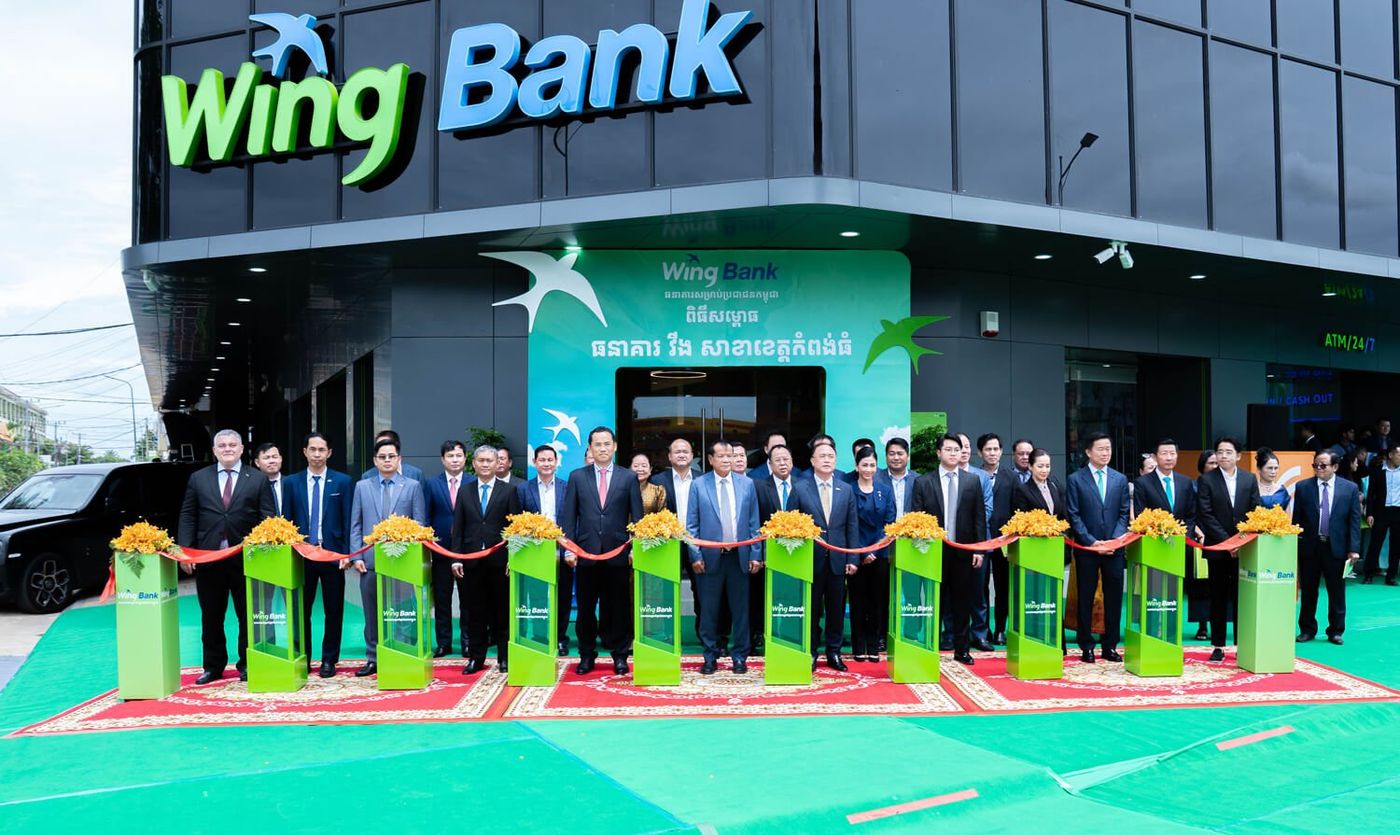
PHNOM PENH — Cambodia’s formal commercial and industrial base expanded by nearly 18.5% over the past three years, adding 7,458 new enterprises, factories, and registered companies.
The latest data released by the Ministry of Labour and Vocational Training (MLVT) reveals that total registered establishments nationwide climbed from approximately 40,300 to 47,758, collectively employing around 2.31 million workers.
Moving Beyond Headcounts: Economic Impact & Income Generation

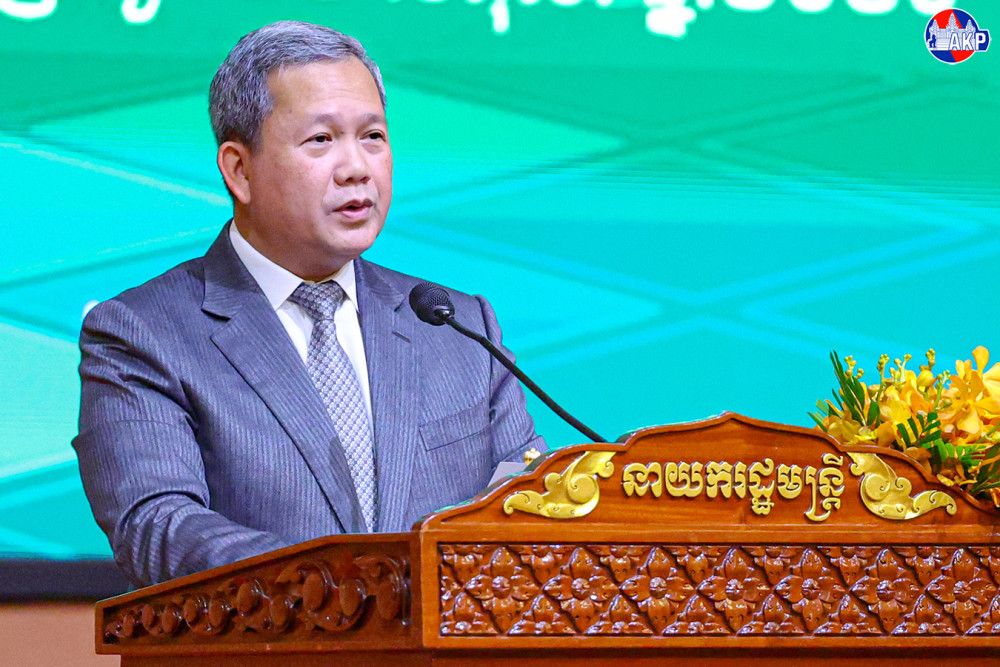
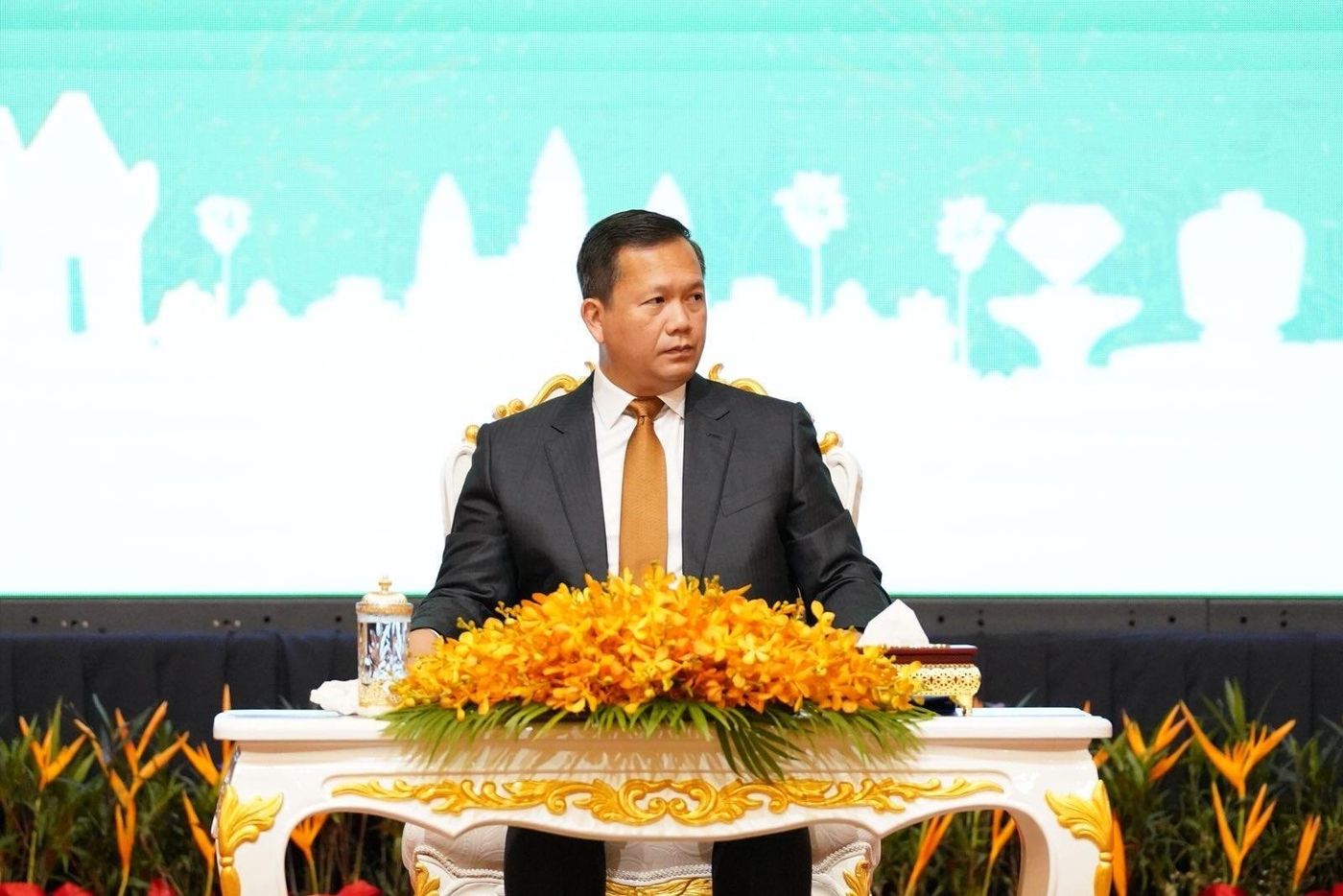
Addressing the rapid expansion, MLVT spokesperson Sun Mesa stressed that enterprise growth reflects tangible economic value beyond headline numbers.

“When we say that more than 7,000 enterprises and factories have been added in just three years, we should not look only at the number of establishments. Behind those numbers are investment decisions, production activities, jobs, incomes for families and new opportunities for Cambodian workers.”
— Sun Mesa, Spokesperson, Ministry of Labour and Vocational Training
Mesa underscored that Cambodia’s national competitiveness can no longer rely solely on low labor costs. Instead, the government is prioritizing workforce productivity, technical skill acquisition, and close alignment between Technical and Vocational Education and Training (TVET) institutions and private industry demands.
Manufacturing Momentum & GFT Sector Growth
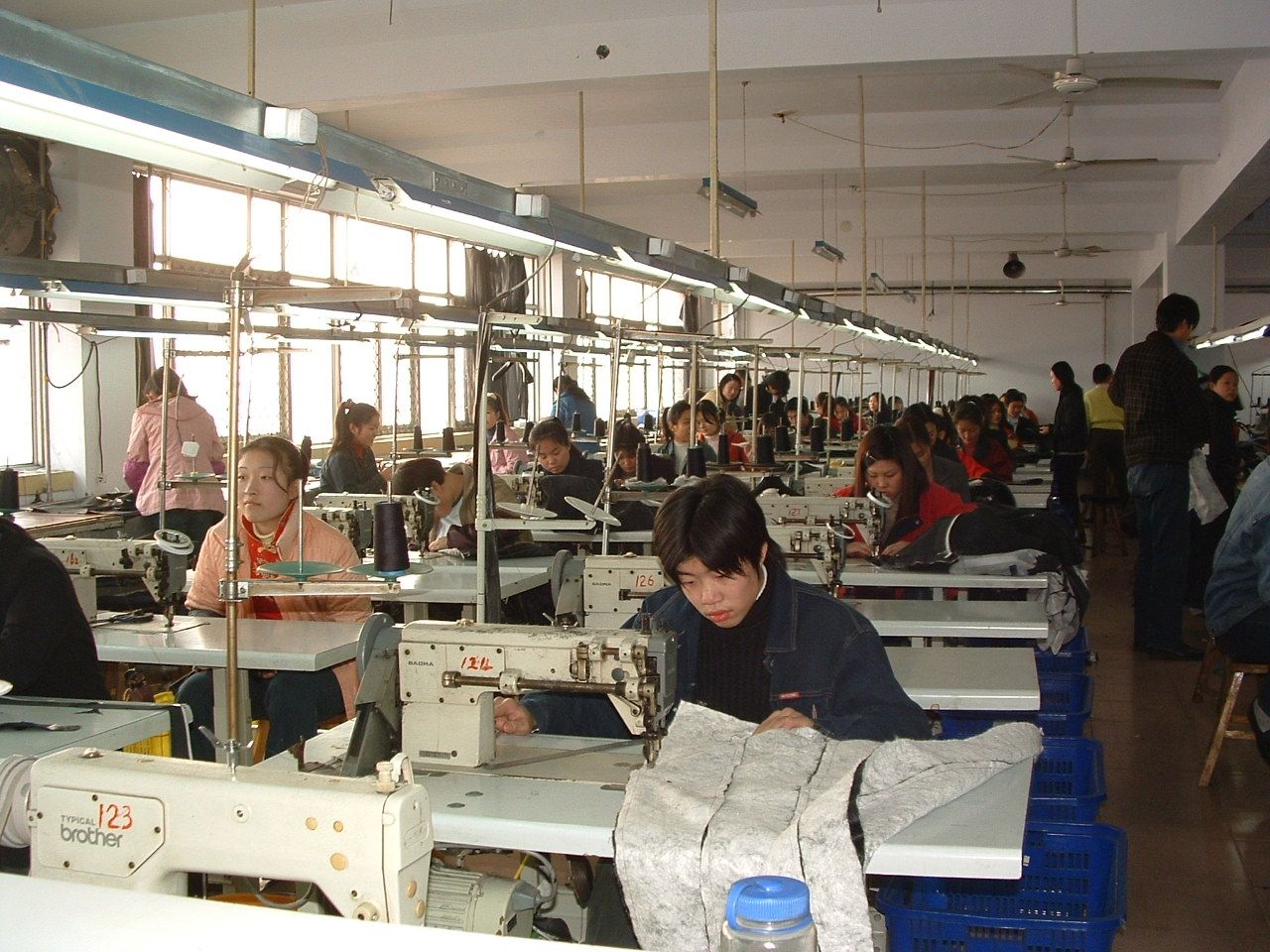
Cambodia’s core manufacturing pillar—the Garment, Footwear, and Travel Goods (GFT) sector—continues to display positive net expansion:
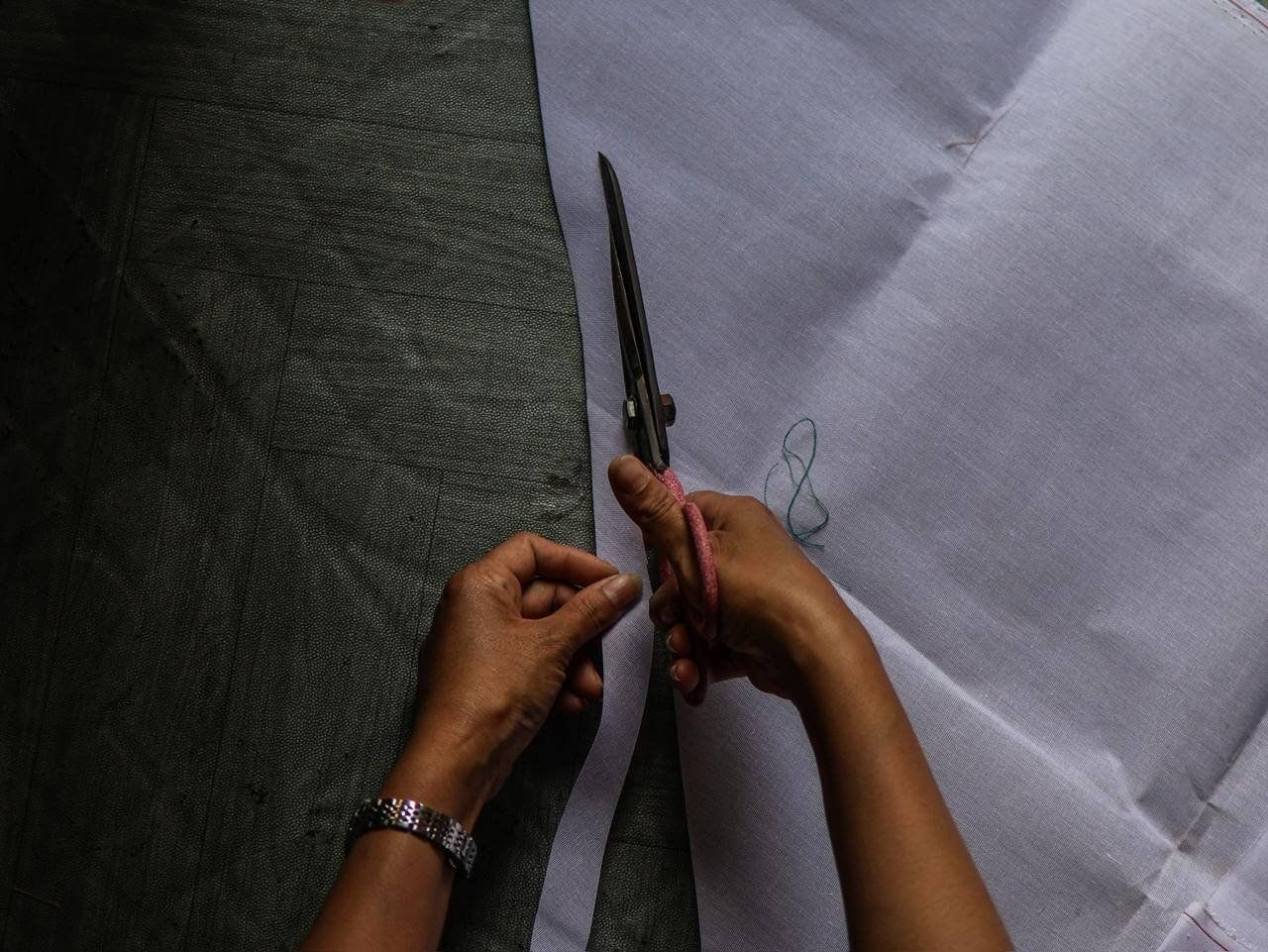
- Net Industrial Expansion (As of July 2026): 169 new enterprises opened against 15 closures, yielding a net addition of 154 establishments and over 92,400 associated jobs.
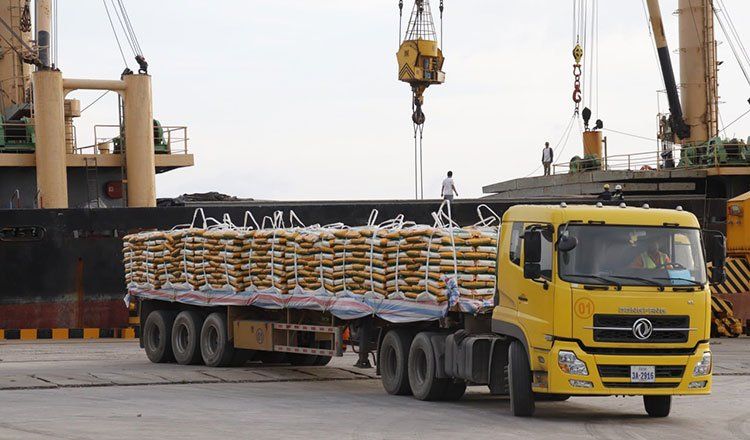
- Foreign Currency Engine: The GFT sector accounts for nearly 50% of Cambodia’s total exports, recording $15.5 billion in shipments in 2025 (a 15.7% year-on-year increase).
- Compliance as Competitive Advantage: Minister of Labour and Vocational Training Heng Sour emphasized that strict adherence to international labor, human rights, and environmental standards enhances Cambodia’s appeal to multinational brands rather than acting as an operational burden.
- Institutional Support: National Labour Union of Cambodia President Sam Soeun welcomed the gains, noting that the 2024–2028 Decent Work Country Programme has bolstered international investor confidence and enhanced workplace safety standards.
Pivoting Toward High-Value Advanced Manufacturing
While light manufacturing remains a primary pillar, Cambodia’s medium-term strategy focuses on diversifying into higher-value industrial segments.
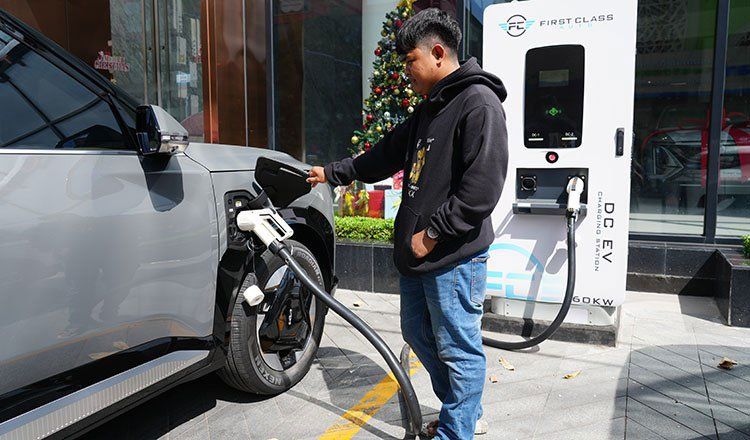
MLVT officials highlighted targeted investment incentives to attract global supply chains in electronics, electrical equipment, automotive components, and industrial machinery. The ministry reaffirmed its commitment to advancing technical training programs to ensure the local workforce can meet the higher skill requirements of modern, technology-intensive factories.