PHNOM PENH — Japanese automotive giant Toyota Tsusho Manufacturing (Cambodia) Co., Ltd. is evaluating the feasibility of expanding its domestic production footprint to include electric vehicles (EVs) and hybrid electric vehicles (HEVs), aligning with Cambodia’s broader push toward clean mobility and high-tech industrial manufacturing.
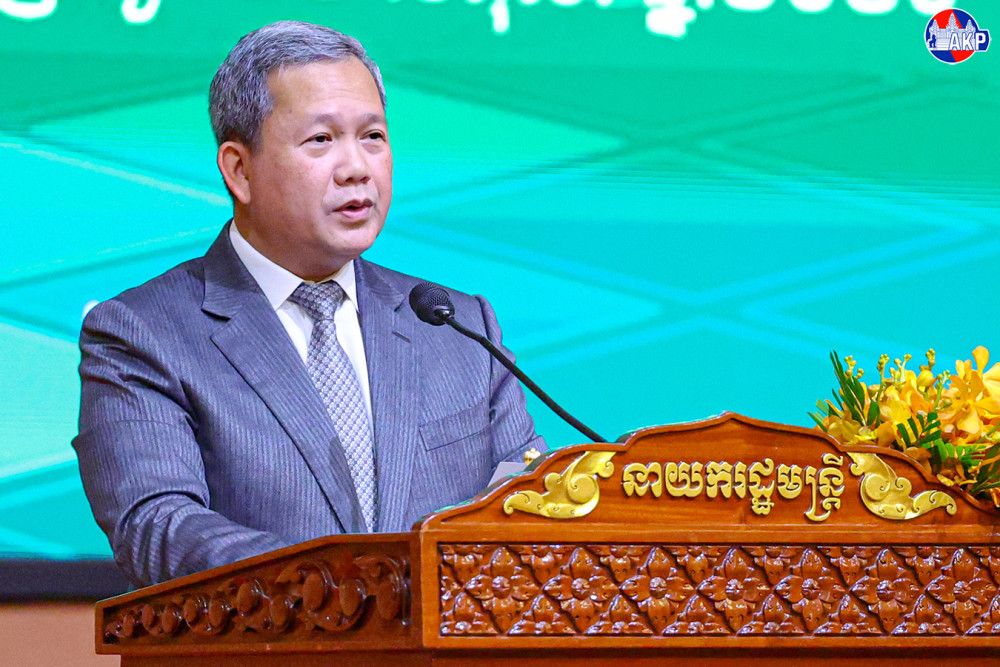
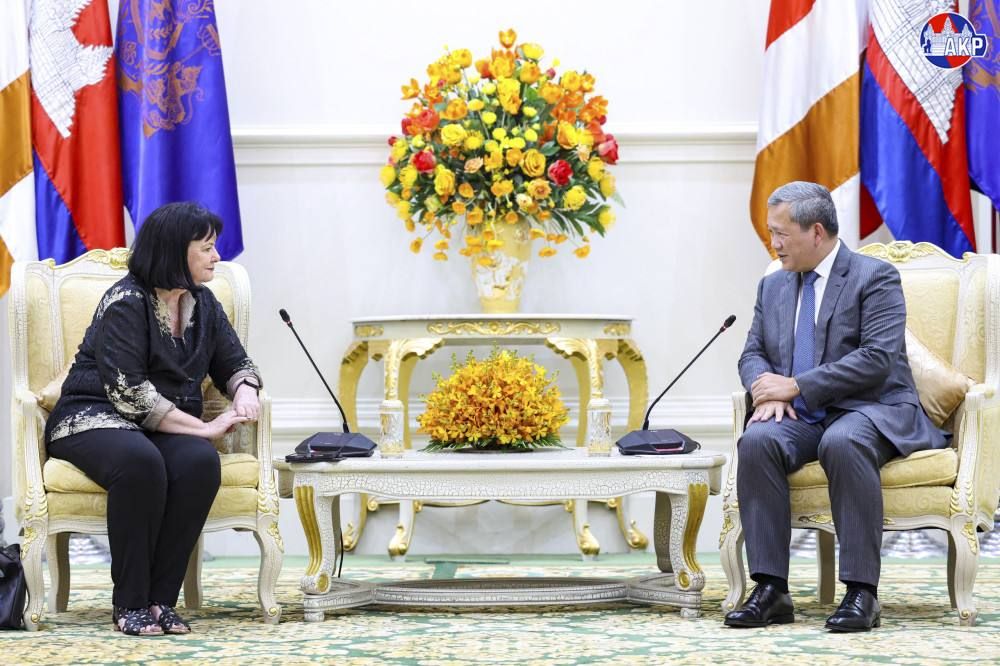
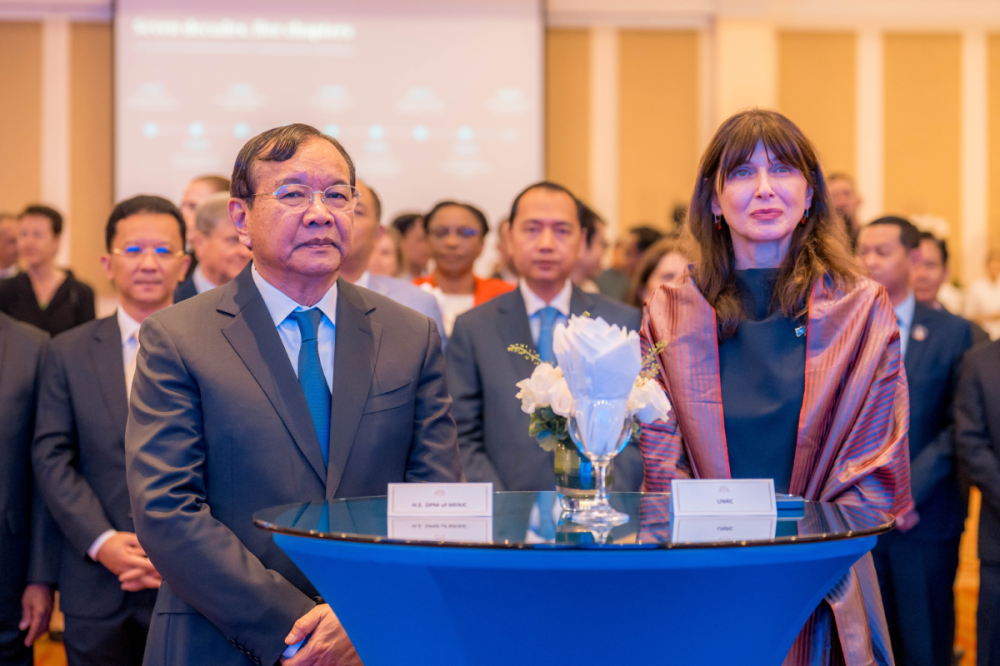
The strategic direction was discussed during a high-level consultative meeting between H.E. Sun Chanthol, Deputy Prime Minister and First Vice-Chairman of the Council for the Development of Cambodia (CDC), and senior leadership from Toyota Tsusho Manufacturing (Cambodia), alongside officials from the Automotive Industry Association and key industrial stakeholders.
Aligning With Cambodia’s Clean Mobility Roadmap
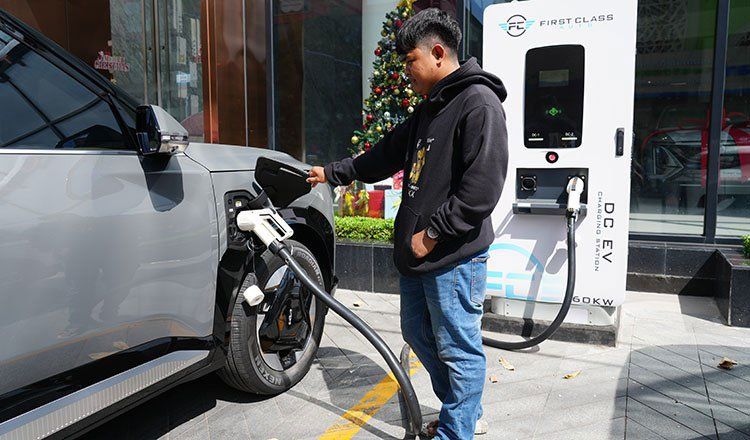
The potential expansion directly supports the Royal Government of Cambodia’s National Policy on Electric Vehicle Development 2024–2030, which aims to accelerate EV adoption, establish nationwide charging infrastructure, and transform the country into a regional assembly hub for next-generation vehicles.
- Transition to Electrification: Toyota is actively assessing local market demand, technical workforce readiness, and cost structures to introduce assembly lines for battery electric vehicles (BEVs) and hybrid vehicles.
- Building on Existing Operations: The initiative builds upon Toyota’s operational assembly facility located in the Royal Group Phnom Penh Special Economic Zone (SEZ), which was officially inaugurated in May 2024 with an investment of approximately $36.7 million.
- Current Lineup: The existing plant currently handles semi-knocked-down (SKD) assembly of internal combustion engine models, specifically the Toyota Fortuner SUV and the Toyota Hilux pickup truck.
Government Policy Incentives and Charging Infrastructure
During the discussions, Deputy Prime Minister Sun Chanthol reaffirmed the Royal Government’s commitment to facilitating foreign direct investment (FDI) in sustainable transportation through targeted regulatory and fiscal incentives:


- Tariff and Tax Relief: Preferential customs duty structures and tax incentives under Cambodia’s Law on Investment for manufacturers establishing EV assembly lines and domestic supply-chain components.
- Infrastructure Deployment: Collaborative efforts with the private sector and state energy providers to expand fast-charging networks across major national highways, urban centers, and provincial junctions.
- Industrial Diversification: Shifting Cambodia’s industrial manufacturing profile from labor-intensive light assembly toward advanced automotive, precision engineering, and electronics clusters.
Company representatives commended the CDC’s ongoing support and one-stop regulatory facilitation, noting that advancing into hybrid and EV assembly would bolster Cambodia’s industrial integration across ASEAN supply networks.
Also Read, Cambodia Adds 7,458 Enterprises in Three Years as Industrial Workforce Reaches 2.31 Million