Cambodia and India Join Hands to Promote Buddhist Tourism
Cambodia and India have stepped up cooperation to promote Buddhist tourism, exploring initiatives to connect major pilgrimage sites, expand travel facilitation, and joint-brand Buddhist heritage routes aimed at enhancing cultural tourism and visitor experiences between the two nations.
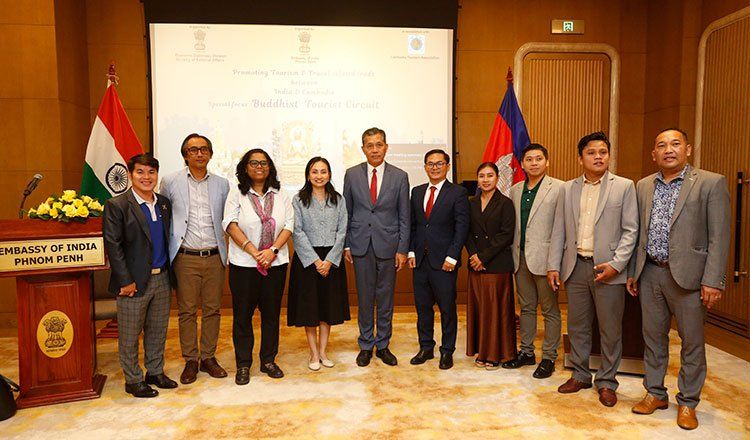
Cambodia and India have intensified efforts to expand cooperation in Buddhist tourism, reflecting a shared commitment to deepen cultural and travel ties rooted in their historic Buddhist heritage. Officials from both countries discussed initiatives to enhance two-way spiritual tourism flows and promote key pilgrimage destinations, particularly those connected to the Buddhist faith.
Representatives from the Indian Embassy in Phnom Penh, Cambodia’s Ministry of Tourism, and tourism industry stakeholders explored ways to encourage travel between Cambodia and India, especially among Buddhist pilgrims and cultural tourists. The discussions highlighted opportunities tied to the renowned Buddhist circuit, which links historic sites in India — notably Bodhgaya, the site of Buddha’s enlightenment — with Cambodia’s ancient temples including Angkor Wat and other significant cultural landmarks.
Efforts to strengthen Buddhist tourism cooperation form part of a broader agenda to enhance bilateral and people-to-people links through shared religious and cultural heritage. With Cambodia’s population predominantly following Theravada Buddhism and India recognised as the birthplace of the faith, tourism officials see potential for deeper engagement that benefits both countries’ tourism sectors.
Key topics in the dialogue included expanding travel facilitation, joint marketing of Buddhist heritage circuits, and collaborative participation in travel and trade fairs designed to introduce new offerings to international visitors. Cambodia’s tourism sector aims to showcase its rich spiritual and historical attractions to Indian visitors, while Indian partners emphasised the value of promoting pilgrimage itineraries that extend beyond national borders.
Industry leaders also discussed cooperation on familiarisation trips for travel agents and media, targeted branding that links major Buddhist destinations in both countries, and initiatives to improve travel experiences for visitors interested in heritage-focused tourism. These steps are expected to strengthen tourism flows, support local enterprises, and foster closer cultural understanding.
The renewed emphasis on bilateral Buddhist tourism cooperation aligns with ongoing efforts by both governments to leverage shared cultural assets and develop sustainable, heritage-based travel routes that appeal to a global audience.
Also Read: Battambang Water Facility to Serve 7,000 More Households With Clean Tap Supply