• My Saves
  • My Feed
  • My Interests
  • Governing Body
  • From The Founder's Desk
  • Contact Us
The Better Cambodia
  • News
    NewsShow More
    Cambodia: Costa Serena Cruise Boosts Sihanoukville Tourism in 2026
    Costa Serena Cruise Boosts Sihanoukville Tourism in 2026

    SIHANOUKVILLE, Cambodia – February 4, 2026 – Cambodia's vibrant tourism sector is…

    By
    Sasha Jones
    Indonesia Pledges to Boost Cambodia Trade and Investment
    Indonesia Pledges to Boost Cambodia Trade and Investment

    PHNOM PENH, Cambodia – February 4, 2026 – Outgoing Indonesian Ambassador Santo…

    By
    Sasha Jones
    Lao President to Visit Cambodia Feb. 6-7 for Stronger Ties
    Lao President to Visit Cambodia Feb. 6-7 for Stronger Ties

    Phnom Penh is preparing to host a significant diplomatic event as Thongloun…

    By
    Sasha Jones
    Air Cambodia Announces Largest Order for Up to 20 Boeing 737 MAX Jets
    Air Cambodia Secures Landmark Order for Up to 20 Boeing 737 MAX Jets

    Phnom Penh, Cambodia – February 3, 2026 – Air Cambodia, the national…

    By
    Sasha Jones
    India, Cambodia Ink Pact to Boost Weather Monitoring in Tourism Hub Siem Reap
    India, Cambodia Ink Pact to Boost Weather Monitoring in Tourism Hub Siem Reap

    PHNOM PENH, Cambodia — In a strategic move to enhance climate resilience…

    By
    TBC
  • Editors Pick
    Editors PickShow More
    Lessons from Golda Meir And How Cambodia Can Turn Challenges Into Strength

    Golda Meir’s life was shaped long before she ever held political office.…

    By
    Surya Narayan
    Border War’s Hidden Bill: Thai Families Drown in Debt as Cambodia’s Displacement Swells

    The loudest sound of the Thailand–Cambodia conflict is still the shellfire along…

    By
    Surya Narayan
    Mixed Signals From Thailand Deepen Uncertainty Over Cambodia–Thailand Ceasefire

    Over the past several days, one thing has become clear along the…

    By
    Surya Narayan
    Cambodia Stands Firm: Defending the Motherland Amid Thai Aggression

    An Editorial as of 9 December 2025 When violence erupts along the…

    By
    Surya Narayan
    Why Policies Shape a Nation’s Future in a Service-Led Economy

    Every country reaches a moment when it must decide what kind of…

    By
    Surya Narayan
  • Stories
    StoriesShow More
    A tailor's hands using large scissors to cut white fabric for a traditional wedding dress.
    Around Orussey Market, Tailors Bloom on Every Street Corner

    Phnom Penh - Around Orussey Market, tailors bloom on every street corner. Walking through…

    By
    Pauline REINA
    Lea Sannier
    Every Corner Tells a Story: Life on the Streets of Phnom Penh

    Every corner of Phnom Penh is steeped in stories. They hide in…

    By
    Pauline REINA
    Lea Sannier
    Fisherman Life Along the Mekong

    If you wake up before dawn breaks in Phnom Penh, you will…

    By
    Pauline REINA
    The Timeless Tale of Vorvong and Sorvong: A Glimpse into Khmer Folklore

    The epic Khmer folklore of Vorvong and Sorvong stands out, weaving a…

    By
    Surya Narayan
    Empowering Cambodian Youth: Anjali House’s Mission to Shape Futures

    In the heart of Siem Reap, Anjali House, a community learning center…

    By
    Nadalena DeJulio
  • Business
    BusinessShow More
    India economic outlook 2026
    India’s Economic Outlook in 2026 and What It Signals for South Asian Integration

    India’s resilient economic outlook in 2026 sends important signals for South Asian…

    By
    Sasha Jones
    Cambodia clean real economy
    Building a Clean and Real Economy: What Cambodia’s Call for Sustainable Growth Means for the Future

    Cambodia is emphasising the need for a clean, real economy focused on…

    By
    Sasha Jones
    Elon Musk Davos tech leadership
    Davos Buzz: What Elon Musk’s Participation Signals About Tech & Global Leadership

    Elon Musk’s presence at Davos signals the rising role of technology in…

    By
    Sasha Jones
    Cambodia economic development programme
    Cambodia Launches New Economic Development Programme to Boost Growth

    The Royal Government of Cambodia has launched a comprehensive economic development programme…

    By
    Yash Paul
    Cambodia informal economy
    World Bank Briefs MISTI on Cambodia’s Informal Economy & Competitiveness Reforms

    The World Bank recently briefed the Ministry of Industry, Science, Technology &…

    By
    Yash Paul
  • Opinion Piece
    Opinion PieceShow More
    Cambodia’s banking sector shows resilience in 2025 as deposits surge and lending supports growth

    PHNOM PENH – If 2025 was a year of global hesitation, Cambodia’s…

    By
    Jas Sohl
    A horizontal image showing two contrasting scenes at a historic Cambodian temple gate, with one side dark and restrained and the other side bright and active with visitors, symbolising Cambodia’s tourism sector at a critical crossroads.
    Reframing Cambodia’s Tourism Strategy in an Era of Geopolitical Tension and Institutional Drift

    Cambodia today stands at a quiet but consequential crossroads. The country finds…

    By
    David Van
    The Elephant in the Room – The Cost of Avoiding What Everyone Knows
    The Elephant in the Room – The Cost of Avoiding What Everyone Knows

    There is a truth many people in Cambodia recognize, yet few are…

    By
    David Van
    A Province Finding Its Rhythm, And A Country Growing With Quiet Determination

    Progress does not always arrive through dramatic announcements or sudden change. Sometimes…

    By
    Samheng Boros
    Wastewater Treatment – The Lifeline of Sustainable Development

    In the 21st century, the world faces a paradox. While more than…

    By
    Jas Sohl
  • Press Release
    Press ReleaseShow More
    Over 100 ASEAN Women Entrepreneurs to Be Honoured at Prestigious Gala in Phnom Penh

    Phnom Penh, Cambodia will take centre stage on 21st November as over…

    By
    TBC
    TEDxPhnom Penh 2025 Inspires Over 530 Attendees with Powerful Stories of Resilience and Reinvention
    TEDxPhnom Penh 2025 Inspires Over 530 Attendees with Powerful Stories of Resilience and Reinvention

    Phnom Penh, Cambodia — The spirit of ideas worth spreading came alive…

    By
    TBC
    Green Miracle: Cambodian Youth Unite to Combat Single-Use Plastic
    Green Miracle: Cambodian Youth Unite to Combat Single-Use Plastic

    A youth-led initiative of UNICEF’s Generation Futures Program vows to raise awareness…

    By
    TBC
    Francophonie Village 2025
    Francophonie Village 2025: Siem Reap Comes Alive with Culture, Creativity, and Community

    This November, Siem Reap transforms into a vibrant cultural playground as the…

    By
    TBC
    TEDxPhnom Penh 2025
    TEDxPhnom Penh 2025: A Celebration of Ideas, Resilience, and Reinvention

    Phnom Penh, Cambodia — The world-renowned TEDx experience returns to the capital this…

    By
    TBC
  • Visit Cambodia
    Visit CambodiaShow More
    Chi Phat ecotourism Cambodia
    Chi Phat: The Pioneer of Purpose in Cambodia’s Ecotourism Story

    Chi Phat has become Cambodia’s benchmark for community-based ecotourism, transforming from a…

    By
    Sasha Jones
    Cambodia visa exemption for Chinese travellers
    Cambodia Announces Pilot Visa Exemption for Chinese Travellers in 2026

    Cambodia has announced a pilot visa exemption programme for Chinese travellers to…

    By
    Yash Paul
    Fisherman Life Along the Mekong

    If you wake up before dawn breaks in Phnom Penh, you will…

    By
    Pauline REINA
    Cambodia Stays Open and Peaceful as Border Conflict Undermines Thailand’s Tourism Image

    Diplomatic pressure is building to halt the fighting along the Cambodia–Thailand border,…

    By
    TBC
    Cambodia to Trial Visa-Free Entry for Chinese Travelers from June to October 2026
    Cambodia to Trial Visa-Free Entry for Chinese Travelers from June to October 2026

    PHNOM PENH — Cambodia will implement a four-month trial policy granting visa-free…

    By
    TBC
  • History
    HistoryShow More
    Cambodia cave preservation guidelines
    New Guidelines Aim to Preserve Cambodia’s Natural Cave Heritage

    Cambodia has introduced new national guidelines to protect and sustainably manage its…

    By
    Yash Paul
    Cambodia sustainable cave management
    Preserving Cambodia’s Natural Heritage: New Guidelines for Sustainable Cave Management and Eco-Conservation

    Across Cambodia’s countryside, limestone caves rise quietly from the earth, holding stories…

    By
    Sasha Jones
    Victory over genocide day Cambodia
    Victory over Genocide Day in Cambodia: A Day of Memory, Survival, and Renewal

    Every year on January 7, Cambodia pauses—not in celebration, but in remembrance.…

    By
    Sasha Jones
    Sambor Prei Kuk: A Sacred City That Still Breathes Through Cambodia’s Forests

    There are places where history whispers gently, and Sambor Prei Kuk is…

    By
    Surya Narayan
    Srutavarman: The Legendary First King of Chenla

    Srutavarman (Old Khmer: ឝ្រុតវម៌្ម; Khmer: ស្រុតវរ្ម័ន, Shrutavarman) is remembered in Cambodian tradition…

    By
    Surya Narayan
  • 🔥
  • Invest In Cambodia
  • Unsung Heroes/ Impact
  • The Better Asia
  • Agriculture
  • Technology
  • Places to Visit
  • Sustainability
Font ResizerAa
The Better CambodiaThe Better Cambodia
Search
  • Home
  • Stories
  • News
  • Visit Cambodia
  • Startups
  • Cambodian Brands
  • Unsung Heroes/ Impact
  • Sustainability
  • Artisans of Cambodia
  • Invest In Cambodia
  • Guests Posts
  • The Better Asia
  • Governing Body
  • From The Founder’s Desk
  • Contact us
Have an existing account? Sign In
Follow US
  • My Saves
  • My Interests
  • My Feed
© 2026 TBC Media. All Rights Reserved.
The Better Cambodia > Blog > Editorial > Editors Pick > Building Cambodia’s Cooperative Farming Future with Inspiration from India
EditorialEditors Pick

Building Cambodia’s Cooperative Farming Future with Inspiration from India

Surya Narayan
Last updated: October 4, 2025 3:03 pm
By
Surya Narayan
4.2k Views
Published: September 21, 2025
Share
9 Min Read
SHARE

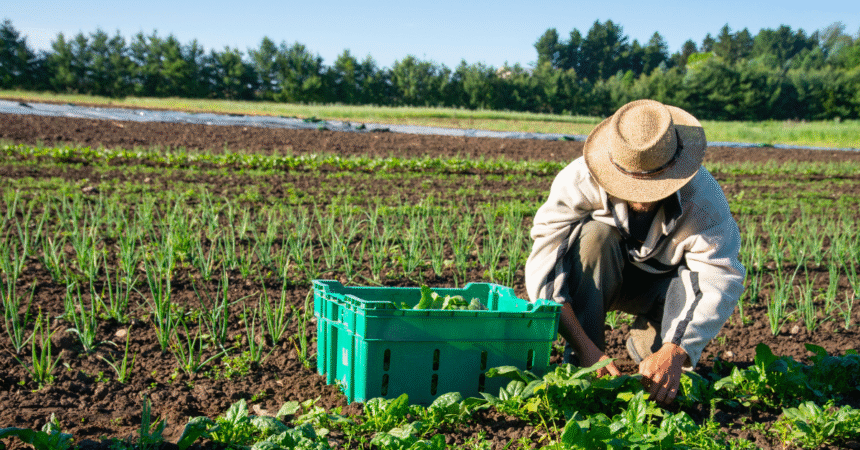
Farming in Cambodia is not just about economics; it’s how people live day to day. For most families in the countryside, the farm is everything. It feeds them, pays for school, and keeps villages alive. Every morning, before the sun rises, you’ll see farmers walking into their rice fields, or tending mango and cashew trees, or growing small patches of vegetables. Their work supports the community, and it brings money into the country too.

Contents
  • Learning from India’s Experience
  • Smarter Land Use and Diversification
  • Why Finance Matters
  • The Role of Technology
  • Government as a Partner
  • A Cooperative Revolution for Cambodia
  • Looking Ahead

But the truth is, many of them are still earning too little. They sell raw crops at prices set by others. The same cashews or mangoes often travel to another country, get processed there, and then are sold for many times more than what the Cambodian farmer received. This is where the problem lies—most of the value is leaving Cambodia.

This is recognised by the government. The Law on Agricultural Cooperatives, new policies for mango and cashew, and a focus on agro-processing are all signals that change is coming. These steps could be the start of something bigger: a proper cooperative farming system that allows farmers to work together, add value to their crops, and compete strongly in export markets.

Learning from India’s Experience

Cambodia doesn’t have to start from the beginning. Other Asian countries have already tried and succeeded, and India offers powerful lessons. Two examples stand out: Amul, a dairy cooperative that became a global brand, and Sahyadri Farms, a horticulture group that shows how technology and sustainability can transform small farms into large, competitive businesses.

- Advertisement -

Amul: Farmers Owning Their Future

Dairy farmers in Gujarat, India, faced exploitation in the 1940s. Middlemen paid them almost nothing for their milk. Instead of accepting it, they organised. The process began at the village level, progressed to district unions, and ultimately culminated in a state federation. Farmers owned the cooperative, professionals ran the business, and profits went back to the members.

It worked. Currently, Amul handles around 35 million litres of milk per day. It has over 3.6 million farmers involved, across nearly 18,600 villages. The federation’s annual turnover is close to ₹66,000 crore (about US$8 billion), and the larger Amul brand earns even more—over ₹90,000 crore (US$11 billion).

Amul exports to more than 50 countries, from the Gulf to the U.S. and Europe. And this happened not because of foreign investors, but because farmers built a system that worked for them.

For Cambodia, the message is simple: when farmers unite, they don’t just gain bargaining power—they also gain dignity and the ability to stand on equal ground in the global market. Imagine a similar federation here, but for cashews, mangoes, vegetables, and rice by-products. Local cooperatives could manage production, provincial unions could handle processing, and a national body could market Cambodian produce abroad under a farmer-owned brand.

Sahyadri Farms: A Modern, Zero-Waste Approach

Sahyadri’s story began much later, in 2010, in Maharashtra. Grape farmers were struggling with price crashes. Instead of giving up, they formed a Farmer Producer Company (FPC) under the leadership of Dr. Vilas Shinde. They invested in packhouses, cold storage, and processing units and soon expanded into other fruits and vegetables.

Today, Sahyadri has more than 29,000 farmers covering 40,000 acres. It exports grapes, mangoes, pomegranates, and tomatoes to both Indian supermarkets and international buyers. The facilities are advanced, with grading machines, cold chains, and processing plants that keep produce fresh and market-ready.

What makes Sahyadri different is its zero-waste philosophy. Nothing is wasted. Seeds, pulp, and peels are all reused and turned into oils, animal feed, or even renewable energy.

This idea could easily be applied in Cambodia. Cashew shells could become biomass fuel or activated carbon. Mango seeds could be processed into oils for cosmetics. Rice husks could become organic fertilisers. Cambodian farmers can earn more and show their commitment to sustainable farming by using every part of the crop.

Smarter Land Use and Diversification

Rice will always remain Cambodia’s main crop, but not all land is perfect for it. In some regions, it would be smarter to grow high-value crops like tomatoes, pomegranates, or citrus fruits. These crops could give farmers higher income with less risk.

Another big opportunity is dairy. Even small-scale milk cooperatives could raise incomes, improve nutrition in villages, and reduce dependence on imports. Cambodia doesn’t yet have a strong dairy industry, but the potential is there.

Right now, about 95% of Cambodia’s raw cashews are exported for processing abroad. That means jobs and profits are going overseas. With cooperatives and processing units inside Cambodia, this could change. Farmers would finally keep more of the value they create.

Why Finance Matters

None of this can happen without money. Farmers need loans for seeds and inputs, investment for cold chains and plants, and working capital to survive between harvests. India made this possible through systems like credit guarantees and farmer equity funds, which reduced the risk for banks and encouraged lending.

Cambodia could do the same. A government-backed guarantee fund, supported by development banks, would make it easier for local banks to lend to cooperatives. This could attract investors as well, especially those interested in climate-smart and inclusive agriculture.

The Role of Technology

Technology will determine the success or failure of Cambodian cooperatives. Farmers need access to mobile apps for weather forecasts, market prices, and advice on crops. Digital payments and transparent systems will reduce corruption and build trust. Cold chain logistics and proper storage will cut post-harvest losses.

Traceability is also crucial. Buyers in Europe, China, and other markets want to know where their food comes from and whether it meets safety standards. If Cambodian cooperatives can guarantee traceability and earn certifications like GlobalG.A.P. or HACCP, they will be able to compete for premium markets.

Government as a Partner

The government already supports cashew and mango strategies, which is a positive start. It can go further by offering tax incentives to cooperative processing units, giving priority to cooperatives in government procurement, and fast-tracking export certifications.

Just as India created the National Dairy Development Board to guide Amul, Cambodia could build a national body to mentor, train, and monitor cooperatives. Such an institution would reassure both farmers and investors that the system is transparent and professional.

A Cooperative Revolution for Cambodia

If Cambodia follows this path, the results would be wide-reaching. Farmers would have better incomes and more stability. Women—already important in farming communities—would gain new leadership opportunities. Rural areas would become more resilient to climate change and global price swings.

And Cambodia itself would move closer to food self-sufficiency while also building a respected global brand: farmer-owned, sustainable, and proudly Cambodian.

Looking Ahead

In the next decade, Cambodia could change its role in global agriculture. By mainly exporting raw produce, it could become known for branded, high-quality, and sustainable products. India’s Amul and Sahyadri show what’s possible, but Cambodia’s version will be unique, built on its culture and community spirit.

The question is no longer whether Cambodia can do it, but whether it chooses to. Farmers, the government, and investors are working together to make the cooperative leap not just possible, but achievable.


Share This Article
Facebook Whatsapp Whatsapp LinkedIn Telegram Email Copy Link Print
BySurya Narayan
Follow:
Founder at The Better Cambodia | Communication Advisor to the Minister attached to the Prime Minister of Cambodia | Marketing Director at True North Lean
Previous Article Wing Bank Hands Over Loan Write-Off Certificates to Injured Soldiers Wing Bank Hands Over Loan Write-Off Certificates to Injured Soldiers
Next Article Brunei and Cambodia Reaffirm Military Cooperation During Commander’s Visit Brunei and Cambodia Reaffirm Military Cooperation During Commander’s Visit
Leave a Comment

Leave a Reply Cancel reply

Your email address will not be published. Required fields are marked *

- Advertisement -

You Might Also Like

EditorialEditors PickInvest In Cambodia

Siem Reap, Where Heritage Meets Opportunity

By
Surya Narayan
EditorialEditors Pick

Cambodia Stands Firm: Defending the Motherland Amid Thai Aggression

By
Surya Narayan
Editors Pick

The Thomith Show is back!

By
Surya Narayan
AgricultureEditorialEditors PickInvest In Cambodia

How Artificial Intelligence Can Revolutionize Agriculture and Food Security in Cambodia

By
Surya Narayan
© 2026 TBC Media. All Rights Reserved.
  • Home
  • News
  • About Cambodia
    • Provinces of Cambodia
  • Tours
  • Things to Do
    • Adventure
    • Events
    • Festivals
    • Fun & Games
    • Landmarks
    • Markets
    • Museums
    • Parks
    • Shopping
    • Shows
    • Temples
    • Villages
    • Water Fun
    • Wildlife
    • Workshops
    • Zoos & Aquariums
  • Eat & Drink
    • Khmer Cuisine
    • Bars & Pubs
    • Cafés & Bakeries
    • Fine Dining
    • Street Food
  • Natural Attractions
    • Beaches
    • Botanical Sites
    • Caves
    • Cliffs & Rock Formations
    • Coral Reefs
    • Forests
    • Hot Springs
    • Islands
    • Lakes
    • Mountains
    • Parks
    • Rivers
    • Scenic Spots
    • Waterfalls
    • Wetlands
    • Wildlife Areas
  • Services
  • Travel Guide
  • Stays
    • Boutique Stays
    • Eco Lodges
    • Guesthouses
    • Homestays
    • Hotels
    • Resorts
No thanks.
Welcome Back!

Sign in to your account

Username or Email Address
Password

Lost your password?