Guest Editorial by Samheng Boros, Minister attached to the Prime Minister of Cambodia
- A Dispute With Long Roots
- The 2025 Breakdown and President Donald Trump’s Lost Peace Effort
- ASEAN’s Role and Malaysia’s Steady Hand
- Why Stability Shapes the Region’s Future
- A Responsible and Measured Cambodian Response
- Cambodia Remains Safe and Open to the World
- A Call for Global Attention and Responsibility
- What Comes Next
For families living along Cambodia’s northern border, the past days have unfolded with a heaviness that is difficult to describe. The mornings that used to begin quietly, with the sound of cattle moving across fields and neighbours calling out to each other, now start with the echo of artillery. Dust rises from village paths not from daily chores, but from people running for shelter. Children who once played freely now cling to their parents, unsure of why their world feels suddenly unsafe. Elderly residents, who have lived through earlier conflicts, watch the sky with a familiar dread they hoped never to feel again.
None of this began because Cambodia sought confrontation. It began because Thai military forces crossed into Cambodian soil and attacked civilian areas. Seven Cambodian civilians have been killed. One was tending to daily work when the blast struck. Two others died inside a bus that was hit by a drone. Twenty more have been injured. These figures alone cannot capture the disruption, but behind each number is a home now struggling to make sense of what happened.
In Chaom Khsant district, more than seven hundred families fled in a rush. They moved toward Bak Kam pagoda, carrying what little they could. Some villagers are still moving, unsure of where the next safe point might be. Schools have emptied. Local markets remain half-opened, the conversations once filled with everyday matters now replaced by urgent questions about safety and missing relatives. This is the reality facing a region that did not choose to be thrust into turmoil.
Cambodia has not widened the conflict. Cambodia is protecting its people.
A Dispute With Long Roots
This latest violence sits on top of a border story that goes far back. In the early twentieth century, when French and Siamese officials attempted to draw boundaries along the Dângrêk mountains, the maps they produced failed to match one another. Those inconsistencies were left unresolved, and over decades they hardened into disagreements that resurfaced again and again.
One of the most well-known symbols of this disagreement is the Temple of Preah Vihear. In 1962, the International Court of Justice ruled that the temple belongs to Cambodia. More than fifty years later, the Court reaffirmed that Cambodia also holds sovereignty over the surrounding promontory. Those rulings should have closed the debate. Yet political changes within Thailand repeatedly pulled the issue back into public view.
Border clashes erupted in 2008, then again in 2011. Each episode forced families on both sides to flee for safety. What was decided in international law continued to return as a point of friction.
The 2025 Breakdown and President Donald Trump’s Lost Peace Effort
Only a few months ago, the world watched another serious episode of fighting along this same frontier. In July, Cambodia and Thailand exchanged fire for five days. More than three hundred thousand people fled from their homes. The scale of movement was shocking, and many feared a prolonged conflict.
During that period, several regional partners stepped in to calm tensions. One of the unexpected contributors was United States President Donald Trump, who publicly welcomed the ceasefire and urged both sides to honour it. Whatever opinions people hold about him, his remarks helped push the ceasefire forward. It gave families some comfort that the fighting might finally quiet down.
But the quiet did not last. The recent strikes originating from the Thai side, air attacks, drone hits and deep artillery movements into Cambodian territory broke the ceasefire in a way that could not be ignored. A Cambodian city came under threat from F16 aircraft. Homes were damaged. Farmers returned to fields only to flee again.
Cambodia held to its commitments. Thailand did not. Without acknowledging this reality, it becomes impossible to rebuild trust or pave any path toward stability.
ASEAN’s Role and Malaysia’s Steady Hand
Moments like these test a region’s maturity. As ASEAN Chair, Malaysia has handled the situation with patience and seriousness. Malaysian officials have facilitated communication, engaged both countries and reminded the region that peace is a collective responsibility. Stability is not a luxury for Southeast Asia; it is the basis on which the region has built its economic rise.
A conflict between two ASEAN members raises deeper questions. It signals to the world whether the region can manage disputes peacefully. It affects investor confidence and regional cooperation. Malaysia understands this clearly, and its consistent involvement is helping keep dialogue alive at a time when frustration and pain could easily take over.
Cambodia appreciates this engagement. True regional partners step forward during uncertainty, not after the situation has already settled.
Why Stability Shapes the Region’s Future
In Southeast Asia, peace is not an abstract promise. It affects every part of daily life. It allows boats to move along rivers, factories to operate without interruption and investors to commit to long-term projects. Tourists choose destinations based on how safe they feel. Governments push reforms, knowing that stability gives them the space to think beyond crisis.
Cambodia carries vivid memories of what instability can do to a society. After surviving the Khmer Rouge and years of conflict, the country rebuilt gradually but steadily under the leadership of Samdech Akka Moha Sena Padei Techo Hun Sen. His win-win policy helped unify armed groups and restore national calm. That stability allowed Cambodia to grow. Roads expanded. Schools improved. Tourism flourished. The world discovered a nation determined to rise again despite its painful history.
Today, under Prime Minister Samdech Moha Borvor Thipadei Hun Manet, Cambodia is entering a phase focused on reform. Digital governance, agricultural upgrading, public service improvements and economic diversification are reshaping how the country works. But all these efforts depend on stability. No reform can reach its potential if the country is forced to cope with sudden violence at its borders.
An unstable frontier weakens not only Cambodia’s progress but the economic ecosystem that binds Southeast Asia together.
A Responsible and Measured Cambodian Response
Throughout this difficult period, Cambodia has chosen responsibility over emotion. The Ministry of National Defence has issued detailed updates. Cambodian authorities have documented the damage, the casualties and the timeline of each attack. International diplomats have been welcomed to observe the situation directly. Communication with global partners has remained open and transparent.
Cambodia’s armed forces have acted with discipline. They have responded only to shield civilians. They have not crossed into Thai territory. They have not escalated the situation. Their actions reflect a commitment to preventing wider conflict while protecting Cambodian lives.
At the same time, Cambodia recognises that the Thai population is not the enemy. Many families across the border are also frightened. Some have relocated. Some have lost livelihoods. Cambodia’s disagreement is with the actions that initiated violence, not with the individuals who now suffer in parallel.
Cambodia Remains Safe and Open to the World
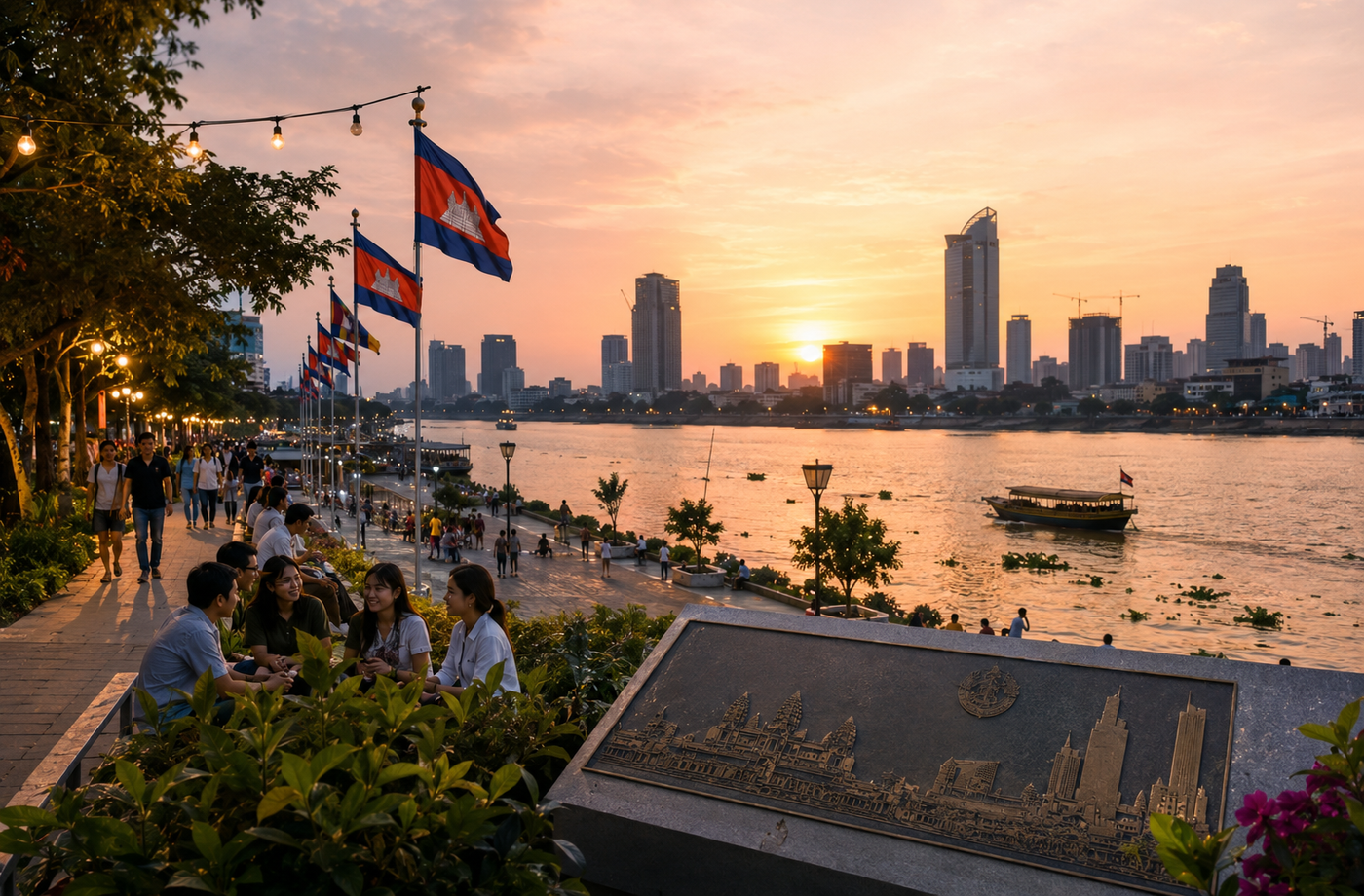
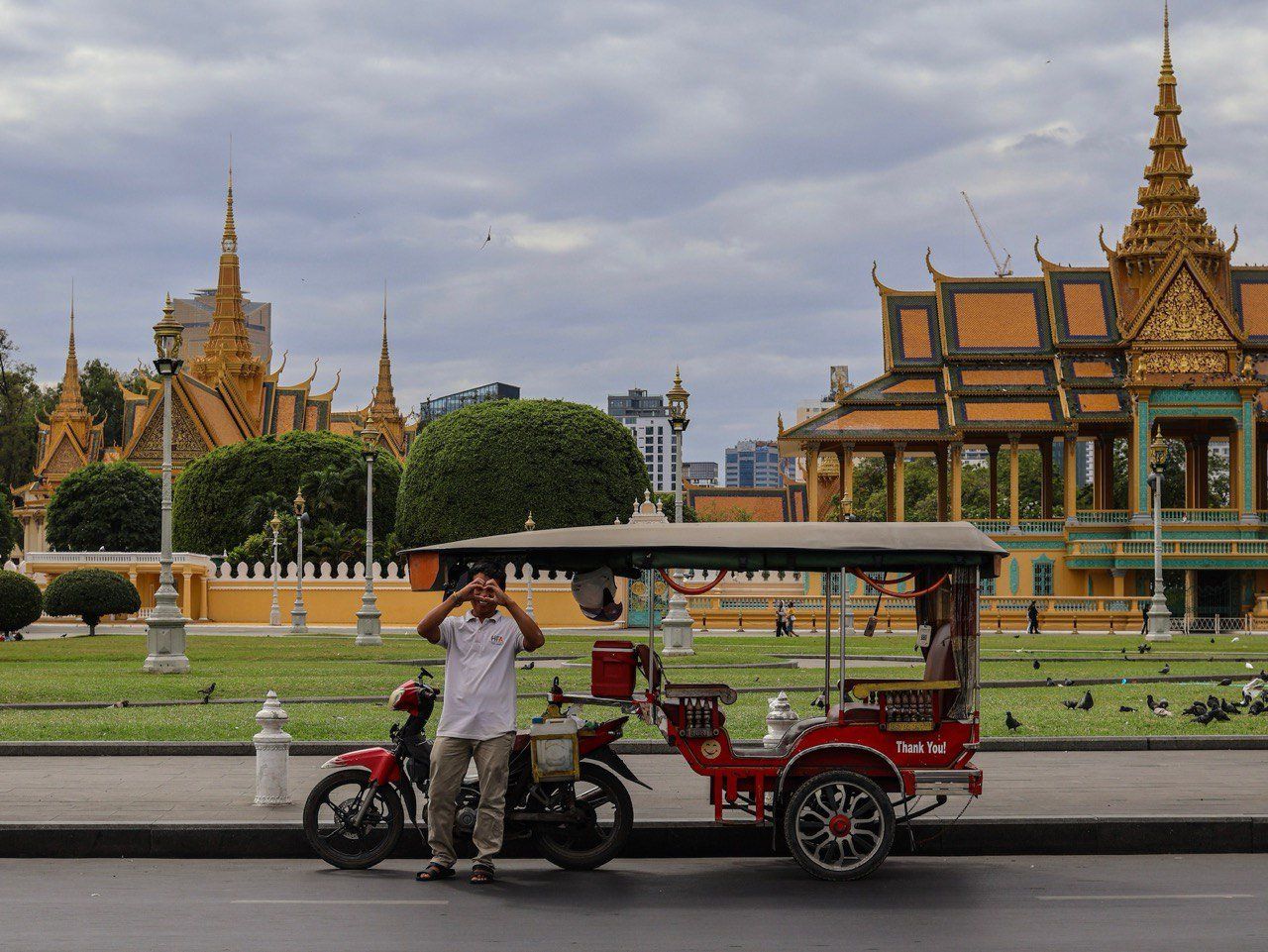
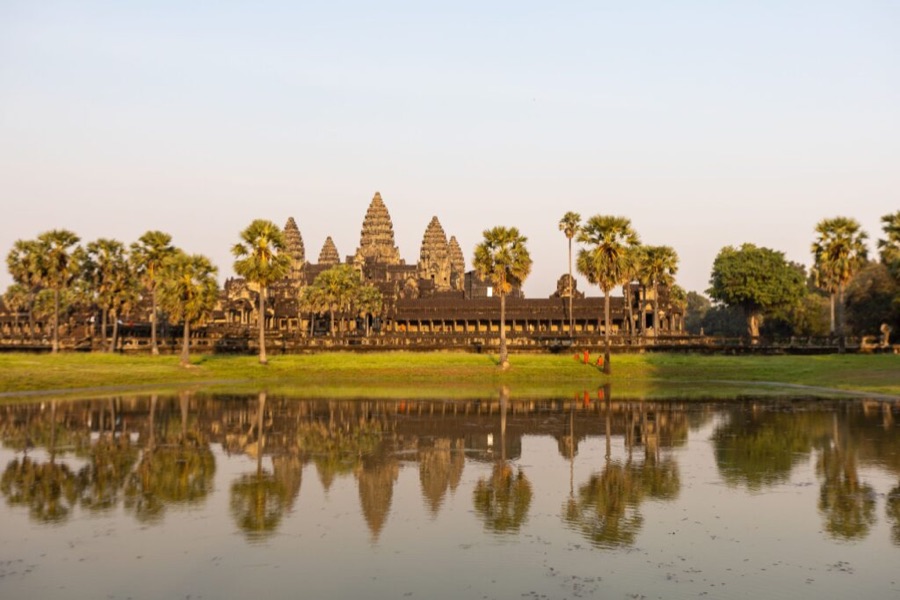
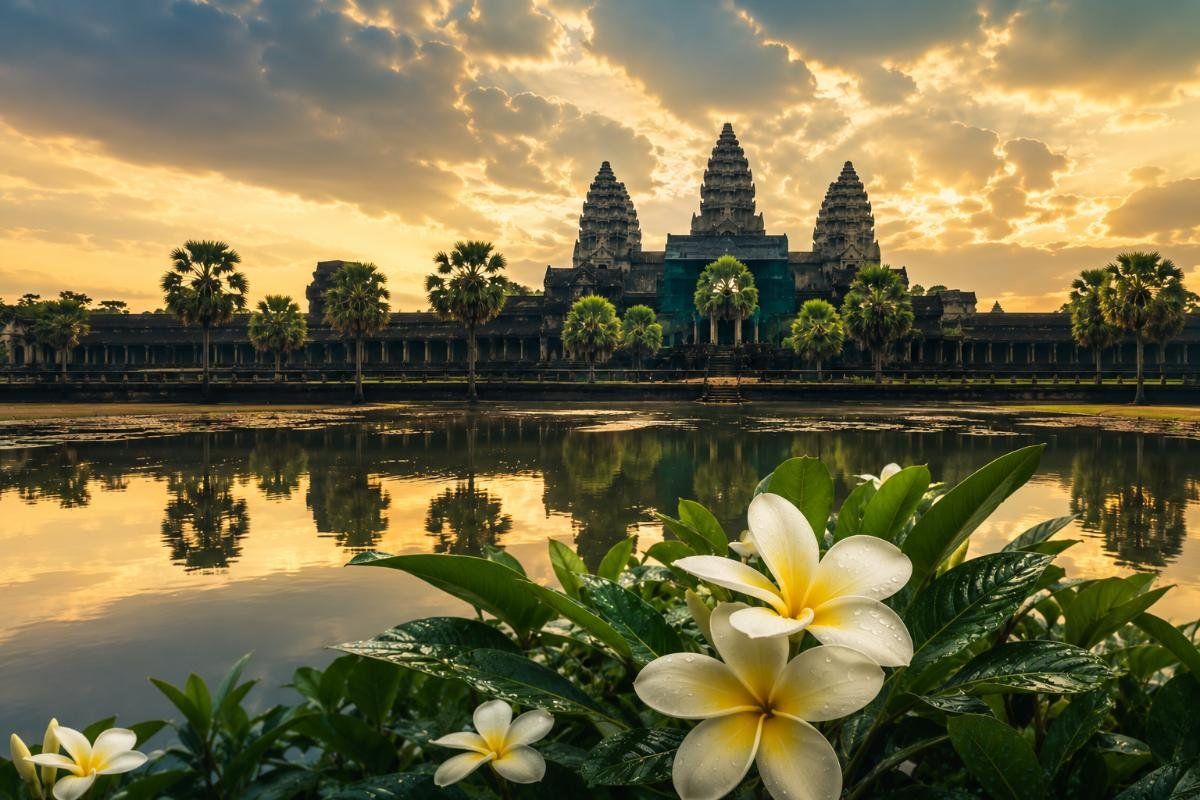
It is important to state clearly that despite the border tensions, Cambodia as a whole remains calm. Phnom Penh continues its rhythm of business, traffic and everyday life. Siem Reap welcomes travellers exploring its temples. Hotels and restaurants operate normally. Flights are on schedule. Investors and visitors can continue their activities with confidence.
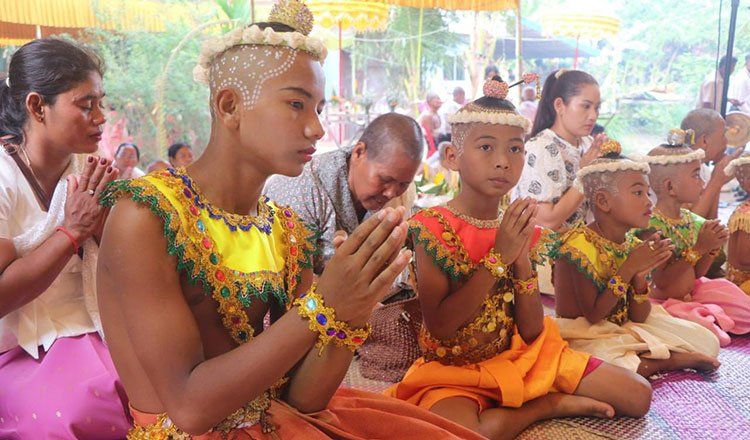
The conflict has not changed the spirit of Cambodia. The warmth of its people, the hospitality of its culture and the resilience of its communities remain firmly intact.
A Call for Global Attention and Responsibility
Cambodia is not asking the world to take sides. Cambodia is asking the world to look closely and respond truthfully. Civilians have been harmed. A ceasefire that carried international backing has been broken. These are facts that deserve recognition, not silence.
The international community has tools to help: encouraging dialogue, supporting humanitarian needs and reinforcing respect for international law. Cambodia is ready to negotiate. Cambodia is ready to restore calm. But Cambodia cannot accept a peace that ignores the realities on the ground.
What Comes Next
The coming days will shape not just the border, but the future of relations between two neighbours and the tone of stability across Southeast Asia. The choices made now will determine whether families continue to live in fear or can begin rebuilding their lives again.
Cambodia will continue to call for peace. Cambodia will continue to defend its people. And Cambodia will uphold stability as both a national duty and a responsibility to the region.
The world should not turn away from what is unfolding. The cost of inattention is too high, and the families caught in this conflict deserve more than quiet acknowledgement. They deserve a future where they can live without fear, where the sound of the morning is once again familiar and gentle, and where peace is not a fragile pause but a lasting foundation.