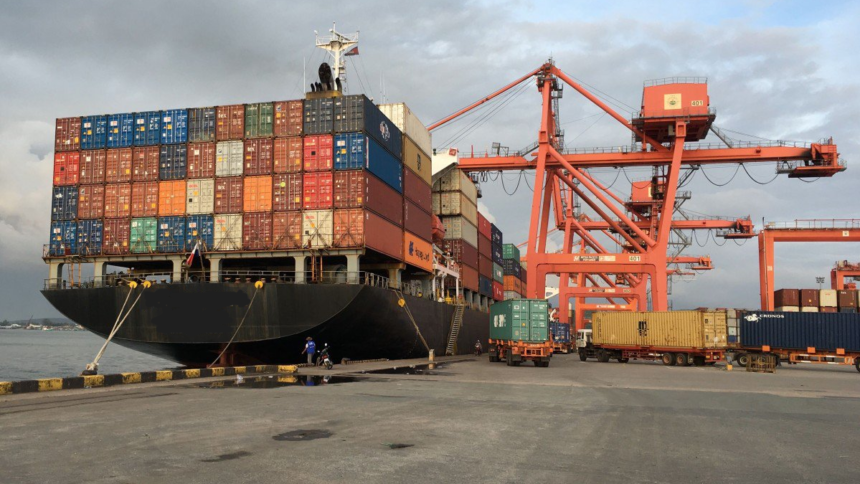
Cambodia’s General Department of Customs and Excise has introduced a new digital facility that allows importers to submit customs declarations online before goods physically arrive in the country. The move is aimed at improving efficiency, reducing clearance delays, and supporting smoother import operations across key entry points.
Under the updated process, importers and freight forwarders can upload required documents such as invoices, cargo details, and shipment information in advance. This enables customs officials to begin verification and processing ahead of arrival, helping reduce congestion at customs offices once goods reach Cambodia. The initiative is part of ongoing reforms aligned with existing regulations issued by the Ministry of Economy and Finance to modernise customs procedures.
The online pre-arrival declaration system is being implemented initially at the Customs Inspection Office of Techo International Airport. From February 1, eligible freight forwarders operating through the airport can complete declarations digitally before cargo lands. Once shipments arrive, those that have already completed online formalities are expected to move more quickly to storage facilities or final delivery points.
Logistics and supply chain representatives have noted that the new system is expected to ease operational pressure, especially for time-sensitive and perishable imports. Goods such as fresh food items, agricultural produce, live animals, meat, fruits, and vegetables often face challenges due to clearance delays. Advance declarations can help reduce waiting times and limit potential losses caused by prolonged storage or congestion.
The digital process is also expected to improve transparency and consistency in customs handling, while lowering administrative burdens for businesses engaged in international trade. By reducing manual paperwork and allowing earlier processing, authorities aim to shorten overall import clearance timelines and enhance predictability for importers.
The initiative reflects Cambodia’s broader efforts to strengthen trade facilitation, improve logistics efficiency, and align customs operations with international best practices. Authorities are expected to expand the system to additional customs locations after evaluating its performance during the initial phase. The move is seen as a step toward a more streamlined, technology-driven customs environment that supports economic activity and cross-border trade.
Also Read: Cambodians and Foreigners Join Peace March as Border Tensions Continue