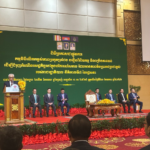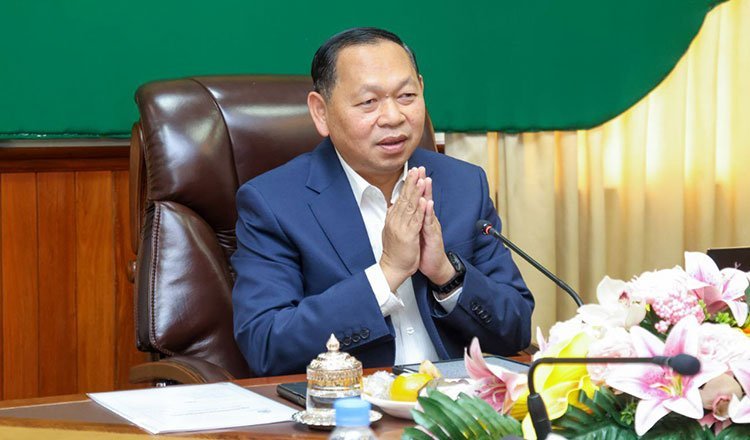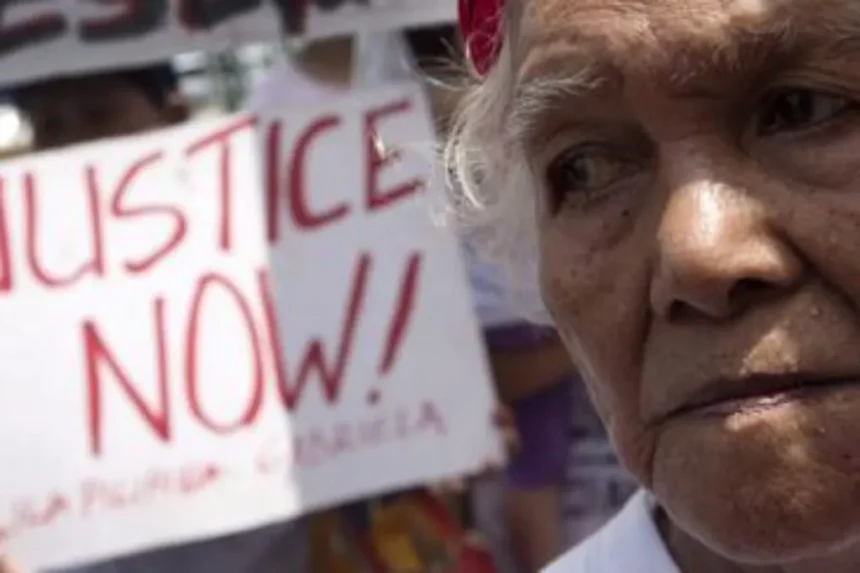
Phnom Penh, Cambodia — A new regional initiative seeking justice and recognition for survivors of the Japanese military “comfort women” system has been proposed, aiming to strengthen cooperation among advocacy groups and civil society across Asia. The proposal was outlined on January 8, 2026, by the Khmer Empire Peace Organisation (KEPO) and partner NGOs in a bid to broaden efforts for historical justice and public awareness.
The initiative intends to build regional solidarity, linking comfort women advocacy groups — including the Korean Council for Justice and Remembrance, Lila Pilipina in the Philippines, and the Taipei Women’s Rescue Foundation — with peace, human rights, and religious organizations. Organizers say the coalition will collaborate with interfaith councils and international allies focused on women’s rights and wartime justice.
Comfort women refers to women and girls forced into sexual servitude under the Imperial Japanese Armed Forces before and during World War II, a historical issue that continues to draw international attention and calls for accountability. Survivors and supporters have consistently urged official recognition, reparations, and historical education to ensure the experiences are neither forgotten nor denied.
Key Components of the Initiative
The proposed regional coalition plans to undertake several activities designed to enhance cross-border engagement:
- Regional Forum: Annual gatherings rotating among Asian countries, with the first forum expected to take place in Southeast Asia.
- Joint Campaigns: Coordinated commemorations on August 14, observed internationally as Comfort Women Memorial Day.
- Educational Outreach: Shared curricular materials, exhibitions, and survivor testimony events aimed at schools and communities.
- Interfaith Vigils: Collaborative remembrance services led by churches, temples, and mosques.
- Digital Platform: A shared online hub for news, updates, and archived testimony.
Goals and Advocacy
Proponents say strengthened regional coordination could amplify survivor voices and help maintain intergenerational commitment to historical truth and justice. The initiative also emphasizes engaging young people to ensure long-term continuity of the movement.
The steering committee is expected to be established as a next step, with drafting of a charter of principles and a launch event in Taiwan. Organizers have encouraged interested groups and individuals to join or partner with the coalition as it develops.
Also Read: Cambodia Launches New Economic Development Programme to Boost Growth