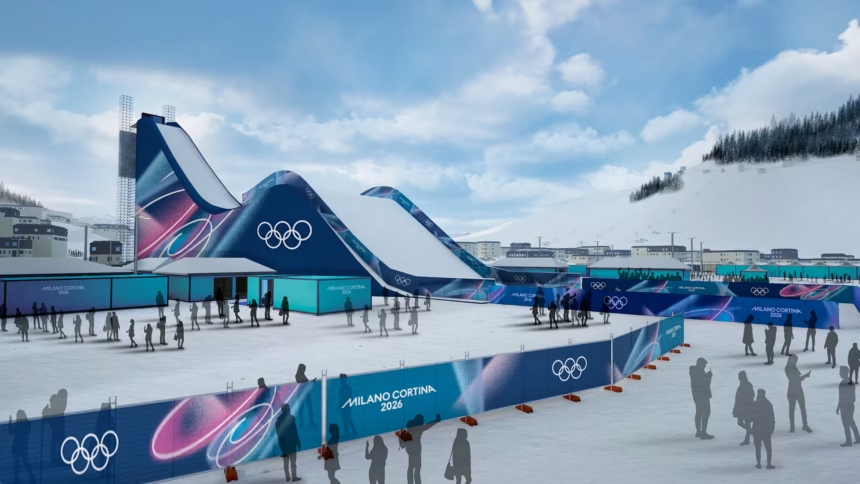
Every four years, the Winter Olympics offer a window into a different side of the sporting world—one shaped by snow, ice, mountains, and disciplines that demand both precision and endurance. In 2026, that window opens in northern Italy, as Milano and Cortina d’Ampezzo share hosting duties for the Winter Games.
- A Two-City Olympic Stage
- What Sports Will Be Featured?
- Why Milano Cortina Matters for Global Fans
- How to Follow the Games from Cambodia
- For Travellers: What the Games Mean
- A Look at the Olympic Experience Beyond Medals
- Winter Sports and a Tropical Audience
- The Broader Impact of the Games
- A Global Moment, Shared Locally
- Looking Ahead
For many fans in Cambodia and across Southeast Asia, winter sports may feel distant from daily life. Yet global events like the Olympics have a way of bringing unfamiliar places and sports closer, turning them into shared moments followed from living rooms, cafés, and mobile screens. The Milano Cortina Games are expected to do just that—connecting audiences to alpine landscapes, historic cities, and a wide range of winter disciplines through broadcast, digital platforms, and international coverage.
This guide explains what makes the 2026 Winter Olympics unique, how the Games are structured, and what fans can expect—whether they are following the action from Cambodia or planning to experience it in person.
A Two-City Olympic Stage
Unlike some previous Winter Games hosted in a single compact region, the 2026 Olympics are designed around two main centres: Milan (Milano), one of Europe’s major cultural and economic hubs, and Cortina d’Ampezzo, a well-known alpine resort town in the Dolomite Mountains.
This dual-host model reflects a broader trend in modern Olympic planning—using existing venues and regional clusters rather than building everything in one place. Events will be spread across northern Italy, linking urban arenas with mountain settings and long-established winter sports locations.
For fans, this means the Games will offer two contrasting backdrops: the energy and infrastructure of a major city, and the dramatic scenery of high-altitude competition venues.
What Sports Will Be Featured?
The Winter Olympics bring together a wide range of disciplines, many of which are less familiar in tropical countries but widely followed elsewhere. These typically include:
- Alpine skiing and cross-country skiing
- Snowboard and freestyle skiing events
- Ice hockey and figure skating
- Speed skating and short track
- Bobsleigh, luge, and skeleton
- Biathlon, ski jumping, and Nordic combined
Each sport follows its own competition format, with qualification rounds leading to finals where medals are decided. For viewers in Cambodia, the variety is part of the appeal: the Games offer a chance to discover new sports, understand different styles of athletic performance, and follow athletes whose training environments are very different from those in Southeast Asia.
Why Milano Cortina Matters for Global Fans
The Olympics are not only about competition. They are also about place. Milan brings global recognition as a centre of design, fashion, and business, while Cortina represents a long tradition of alpine tourism and winter sports culture.
Together, they highlight how the Winter Games can connect urban life with mountain regions, showing how sport, tourism, and infrastructure development often intersect. For international audiences, this creates a broader picture of the host country—one that goes beyond stadiums and medal tables.
From Cambodia’s perspective, such events also demonstrate how large-scale sports competitions influence travel trends, media coverage, and cultural exchange. Even for those who do not travel to Italy, the Games will shape conversations across social media, news platforms, and sports channels.
How to Follow the Games from Cambodia
For most fans in Cambodia, the primary experience of the Milano Cortina Olympics will be through broadcast and digital platforms. International sports networks, streaming services, and official Olympic channels typically provide:
- Live event coverage
- Highlights and daily recaps
- Athlete profiles and interviews
- Medal tables and schedules
Time zone differences mean some events may air late at night or early in the morning, but digital platforms make it easier to watch replays and follow key moments at any time.
Social media and news websites also play a growing role, offering quick updates, short clips, and behind-the-scenes content that helps make the Games feel closer and more immediate.
For Travellers: What the Games Mean
Although most Cambodian fans will watch from home, major sporting events often influence global travel patterns. Host regions typically see increased interest not only during the Games, but also in the years before and after.
Northern Italy already attracts visitors for its cities, lakes, and mountain resorts. The Olympics add another layer of visibility, introducing new audiences to places they might not have considered before.
For travellers from Southeast Asia, including Cambodia, the Games highlight how sports tourism works at a global scale—combining competition schedules with cultural experiences, local cuisine, and regional travel routes.
A Look at the Olympic Experience Beyond Medals
The Winter Olympics are built around more than podium finishes. Each edition also focuses on:
- Opening and closing ceremonies that present the host country’s culture
- Volunteer programmes and community participation
- Sustainability and the reuse of existing venues
- Legacy planning for local regions after the Games
These aspects matter because they shape how the event is remembered long after the final medal is awarded. For countries like Cambodia, which continue to develop their own sports infrastructure and host regional events, observing how large-scale competitions are organised can offer useful reference points.
Winter Sports and a Tropical Audience
In Cambodia, where temperatures rarely drop and snow is something seen only on screens, winter sports naturally feel distant. Yet the Olympics often succeed in making these disciplines accessible by focusing on stories: athletes’ journeys, rivalries, and the effort behind each performance.
This storytelling is what turns unfamiliar sports into shared experiences. It also explains why global events like the Winter Games continue to draw attention even in regions far from the competition venues.
For younger audiences, the Games can also spark interest in new sports, media careers, or international travel—reminding viewers that sport operates within a much larger global network.
The Broader Impact of the Games
Large sporting events influence more than just sports fans. They affect broadcasting, tourism marketing, infrastructure planning, and international cooperation. The Milano Cortina Olympics are expected to follow this pattern, with attention focused not only on results, but also on how the event is delivered and what remains afterward.
For Cambodia, which is increasingly engaged in regional and international events across culture, sport, and tourism, watching how the Winter Olympics are organised offers insight into how global events are planned, communicated, and remembered.
A Global Moment, Shared Locally
When the opening ceremony begins in Italy, the audience will not be limited to those inside the stadiums. Viewers in Phnom Penh, Siem Reap, and other cities will be part of the same moment—watching, discussing, and sharing reactions in real time.
That is the lasting power of the Olympics: they turn distant places into familiar names and bring together people who may never see snow, but can still appreciate the skill, discipline, and stories behind winter sport.
Looking Ahead
The 2026 Milano Cortina Winter Olympics promise to combine alpine tradition with modern, multi-city hosting, offering fans a wide range of sports and settings to follow. For audiences in Cambodia, the Games represent both entertainment and a window into another sporting world—one shaped by ice, mountains, and international competition.
Whether followed through live broadcasts, highlights, or daily updates, the Milano Cortina Olympics will once again show how global events connect people across climates, cultures, and continents.
Also Read: International Collaboration in AI: What It Means for Cambodia