In Cambodia, conversations about the economy are rarely abstract. They are grounded in daily realities—jobs that support families, businesses that grow step by step, and a shared desire for stability after decades of transformation. Recent remarks by national leadership, as reported in local media, have once again brought attention to a central idea: Cambodia must build a clean, real economy rooted in genuine productivity rather than speculation or short-term gains.
- What Is Meant by a “Clean, Real Economy”?
- Why This Message Matters Now
- Productivity, Youth, and Long-Term Stability
- Transparency and Trust as Economic Foundations
- Linking the Real Economy to the Digital Future
- How Cambodia Can Be Part of the Future AI Revolution
- Education and Skills at the Centre
- Cambodia’s Development Path in a Global Context
- A Vision Rooted in Experience
Seen from within the country, this message resonates deeply. It speaks not only to policy direction, but to a broader vision of how Cambodia wants to grow—carefully, transparently, and in a way that benefits future generations.
What Is Meant by a “Clean, Real Economy”?
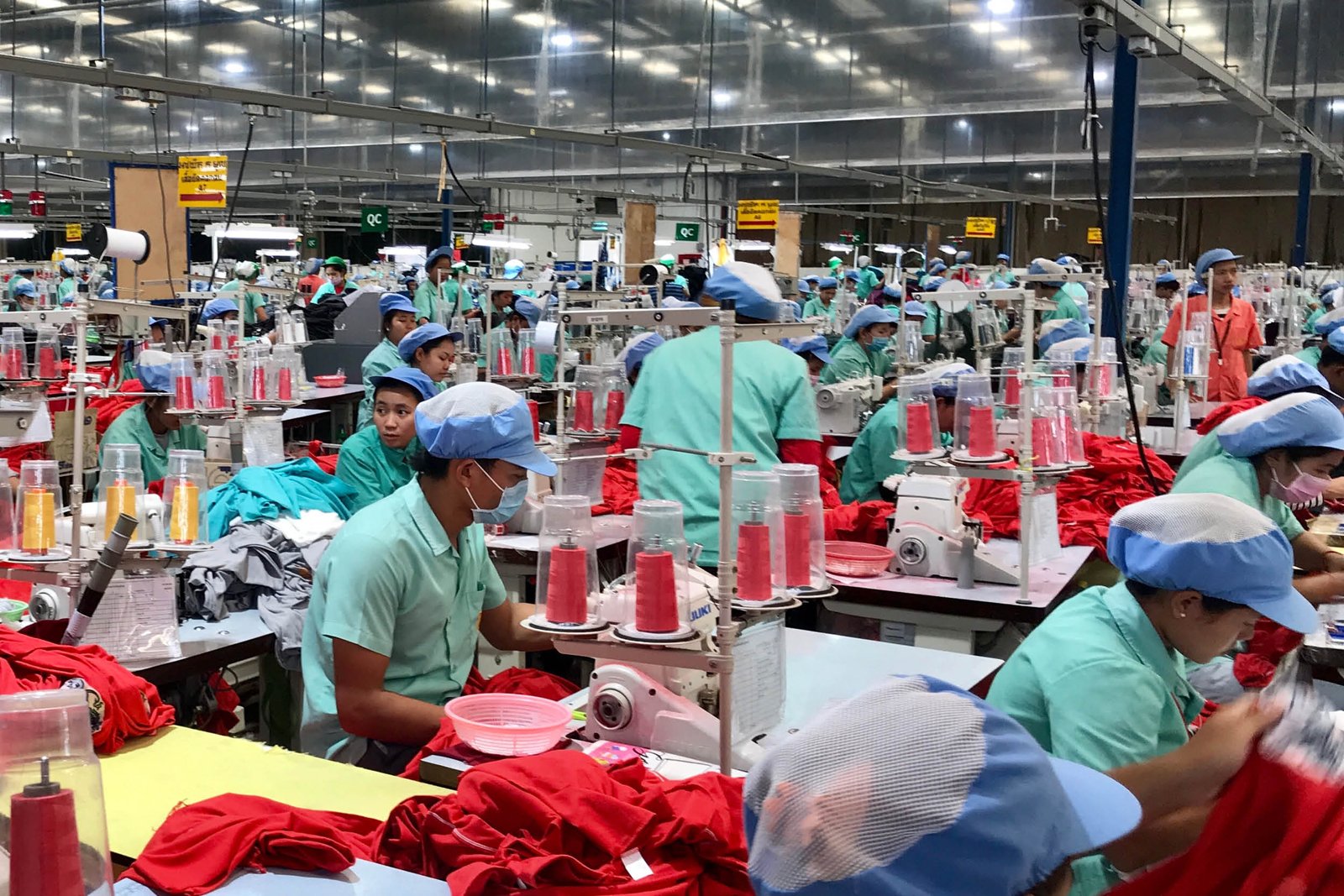
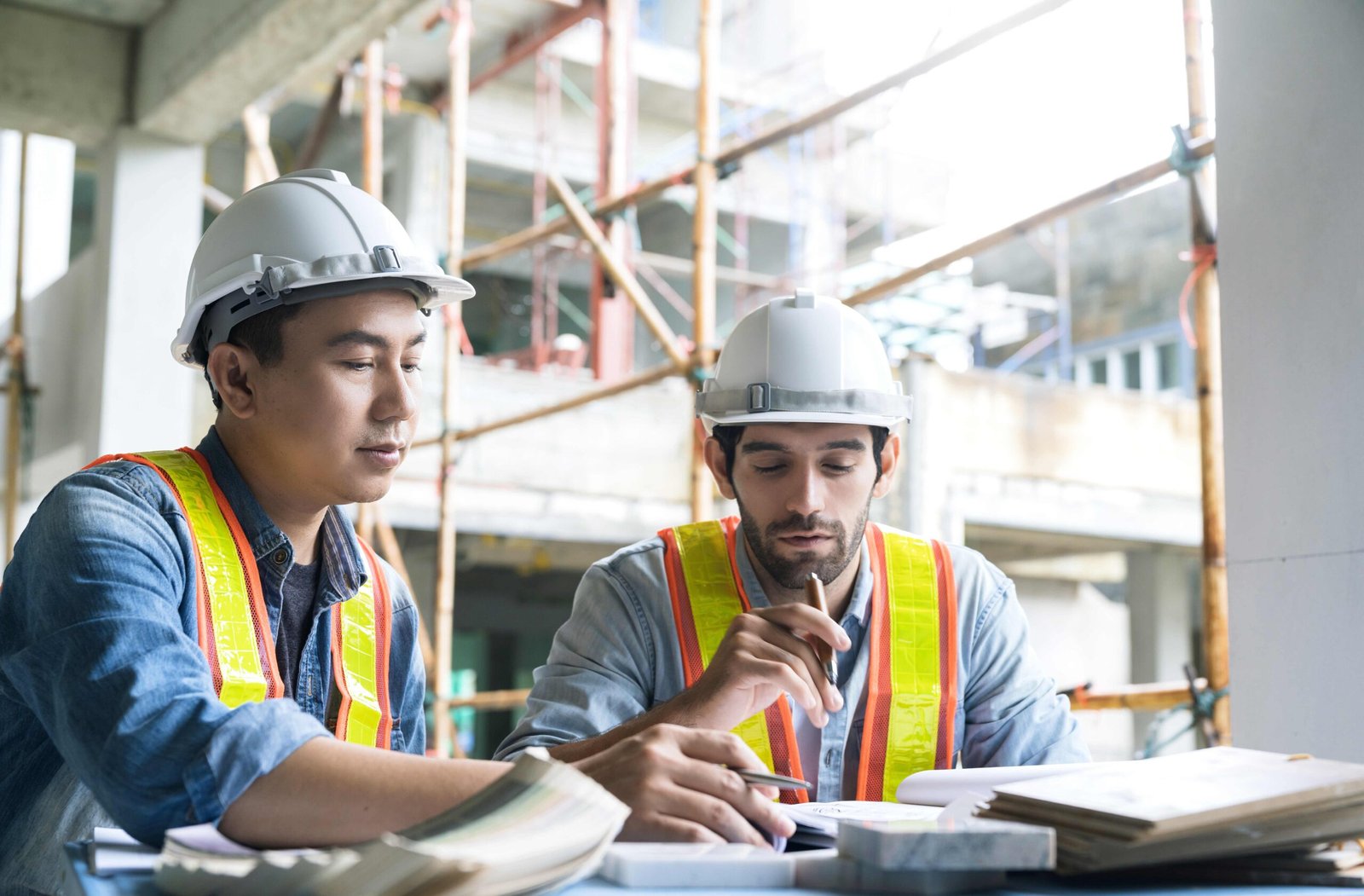
The call for a clean, real economy emphasises economic activity that is transparent, productive, and grounded in tangible value creation. This includes sectors such as manufacturing, agriculture, services, logistics, and technology—areas that generate employment, skills, and long-term growth.
It also reflects concern about economic practices that may inflate figures without strengthening the underlying foundation. From a Cambodian perspective, the focus is on building an economy that people can trust—one where growth is visible in livelihoods, infrastructure, and opportunity.
This approach aligns with Cambodia’s broader development journey, which has prioritised stability, gradual reform, and integration into regional and global markets.
Why This Message Matters Now
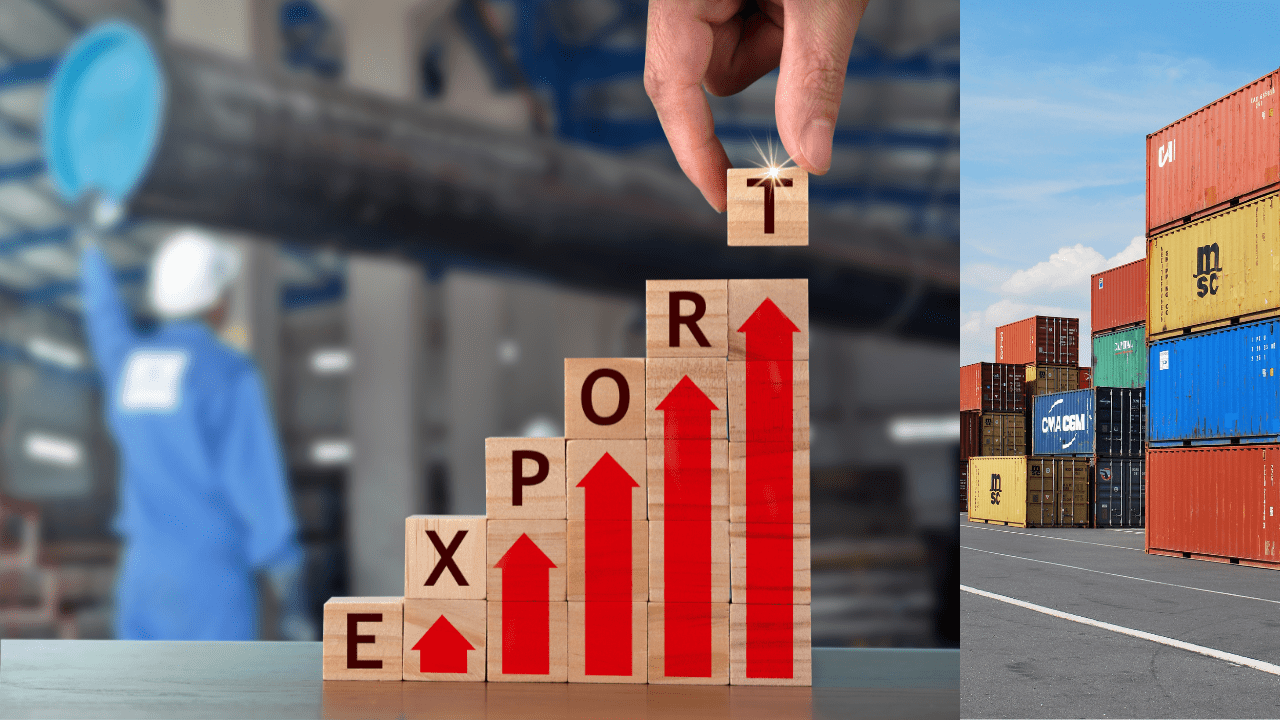
Cambodia is at an important stage of development. The economy has expanded steadily, supported by exports, construction, tourism, and a growing services sector. At the same time, global uncertainty, technological disruption, and demographic change are reshaping how economies function.
The emphasis on a clean and real economy comes at a moment when countries worldwide are reassessing growth models. For Cambodia, the message underscores the need to strengthen fundamentals—skills, productivity, governance, and innovation—rather than relying on short-term drivers.
In Phnom Penh, policymakers, businesses, and educators are increasingly aligned around the idea that sustainable growth must be inclusive and resilient.
Productivity, Youth, and Long-Term Stability
Cambodia has a young population, and this demographic reality shapes economic priorities. A clean, real economy is one that can absorb young workers into productive roles, offering not just employment, but pathways for skill development and advancement.
Manufacturing, agri-processing, logistics, digital services, and technology-enabled enterprises all play a role in this transition. When growth is anchored in such sectors, it creates a stronger link between education, work, and long-term stability.
For Cambodian families, this connection matters. Economic growth is most meaningful when it translates into predictable incomes and upward mobility.
Transparency and Trust as Economic Foundations
A clean economy also depends on trust—between citizens, businesses, and institutions. Transparency in regulation, taxation, and investment helps ensure that growth benefits the wider population.
Clear rules and accountable systems make it easier for local entrepreneurs and foreign investors alike to operate with confidence. For Cambodia, strengthening these foundations supports its reputation as a reliable partner in regional and global trade.
From a Cambodian lens, trust is not just a policy goal—it is a social value shaped by history and experience.
Linking the Real Economy to the Digital Future
While the call focuses on the “real” economy, it does not exclude technology. In fact, digital tools increasingly support real economic activity—from smart agriculture and logistics to e-commerce and financial services.
Cambodia’s expanding digital infrastructure provides an opportunity to modernise traditional sectors while maintaining their core value. Digital payments, online business registration, and data-driven planning are already reshaping how the economy functions.
These changes help bridge the gap between physical production and digital efficiency.
How Cambodia Can Be Part of the Future AI Revolution
The global shift toward artificial intelligence raises important questions for developing economies. For Cambodia, participation in the AI revolution does not mean competing with advanced research hubs. It means applying AI where it strengthens the real economy.
Potential areas include:
- Agriculture: AI-driven forecasting, crop management, and supply-chain efficiency
- Manufacturing: quality control, predictive maintenance, and productivity optimisation
- Public services: data-informed planning and service delivery
- Small businesses: AI tools for accounting, marketing, and logistics
By focusing on practical applications, Cambodia can ensure that AI supports real value creation rather than speculative growth.
Education and Skills at the Centre
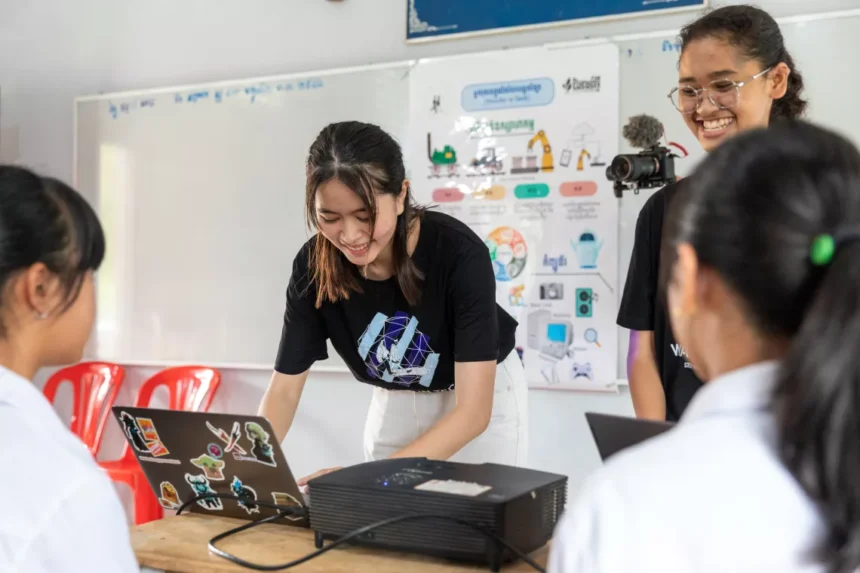
A clean, real economy—especially one supported by digital tools—requires investment in people. Education and skills training are central to this vision.
Preparing young Cambodians for digital and AI-enabled roles strengthens both the economy and social cohesion. It ensures that technology enhances opportunity rather than widening gaps.
This focus reflects a long-term approach: building human capital alongside infrastructure and investment.
Cambodia’s Development Path in a Global Context
Cambodia’s emphasis on clean, real economic growth mirrors global conversations about sustainability, resilience, and inclusion. Many countries are rethinking how growth is measured and what it should deliver.
For Cambodia, the path forward builds on its strengths—openness, adaptability, and a young workforce—while remaining cautious about excess and imbalance.
Seen regionally, this approach strengthens Cambodia’s position within ASEAN and reinforces its role in a more interconnected global economy.
A Vision Rooted in Experience
From a Cambodian perspective, the call to build a clean, real economy carries emotional weight. It reflects lessons learned over time: that stability matters, that growth must be shared, and that progress is strongest when it is grounded in reality.
It is a vision that looks forward without forgetting the importance of careful, steady development.
The emphasis on building a clean, real economy highlights Cambodia’s commitment to sustainable, transparent, and productive growth. It underscores the importance of trust, youth opportunity, and innovation grounded in real value.
As Cambodia navigates digital transformation and prepares for an AI-enabled future, the challenge—and opportunity—lies in ensuring that technology strengthens the real economy rather than replacing it. Seen through Cambodian eyes, this balance is not only economic policy, but a promise to future generations.
Also Read: Lessons from Golda Meir And How Cambodia Can Turn Challenges Into Strength