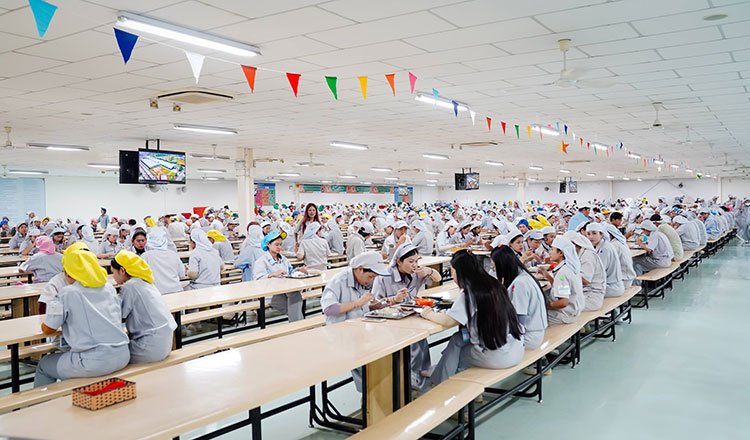
The Cambodian government, in partnership with the United Nations World Food Programme (WFP), has launched a fortified rice nutrition scheme aimed at improving the health of garment factory workers. The initiative is supported by funding from Japan and focuses on addressing micronutrient deficiencies among workers.
The programme will introduce fortified rice into daily meal plans across factories, ensuring workers receive essential vitamins and minerals through a staple food.
Key Highlights
- Targets over 50,000 factory workers
- Covers 118 factories in Phnom Penh and Kandal
- Backed by $1.5 million funding from Japan
- Implementation period of five years
Scheme Details
| Aspect | Details |
|---|---|
| Initiative | Fortified Rice Nutrition Scheme |
| Partners | Cambodian Government, WFP, Japan |
| Target Group | Garment factory workers |
| Coverage Area | Phnom Penh & Kandal SEZs |
| Duration | 5 years |
| Key Objective | Reduce micronutrient deficiencies |
- Rice will be fortified with essential vitamins and minerals
- Integrated into factory meal programmes
- Designed to improve health, productivity, and wellbeing
Why Fortified Rice?
Rice is Cambodia’s primary staple, making it an effective vehicle for nutritional improvement. Fortification enhances the micronutrient content without requiring changes in dietary habits.
- Helps combat anaemia and nutrient deficiencies
- Provides a cost-effective nutrition solution
- Supports long-term public health outcomes
Implementation Strategy
The initiative will focus on:
- Integrating fortified rice into existing meal systems
- Strengthening supply chains and quality control
- Building capacity among local rice millers and producers
- Raising awareness among workers about nutrition benefits
Multiple stakeholders, including international organizations such as FAO, WHO, and UNICEF, are expected to support implementation.
Business and Industry Relevance
For Manufacturing Sector
- Improved worker health may lead to higher productivity levels
- Enhanced workforce wellbeing supports industrial efficiency
For Food Supply Chain
- Demand for fortified rice production and distribution
- Opportunities for food processing and quality assurance sectors
Broader Impact
The programme is expected to serve as a model for expanding food fortification initiatives across Cambodia. By addressing hidden hunger among workers, it contributes to:
- Strengthening the labour force
- Supporting sustainable economic development
- Advancing national nutrition goals
Also Read: Cambodia Minister Pushes for Kuk Yeay Ham Restoration