Phnom Penh, Cambodia — Cambodia and Germany have agreed to strengthen bilateral cooperation in the areas of labor, social protection, and vocational training, according to an official statement released on 13 February 2026. The agreement reflects ongoing efforts by both countries to expand technical collaboration and support workforce development aligned with economic and social priorities.
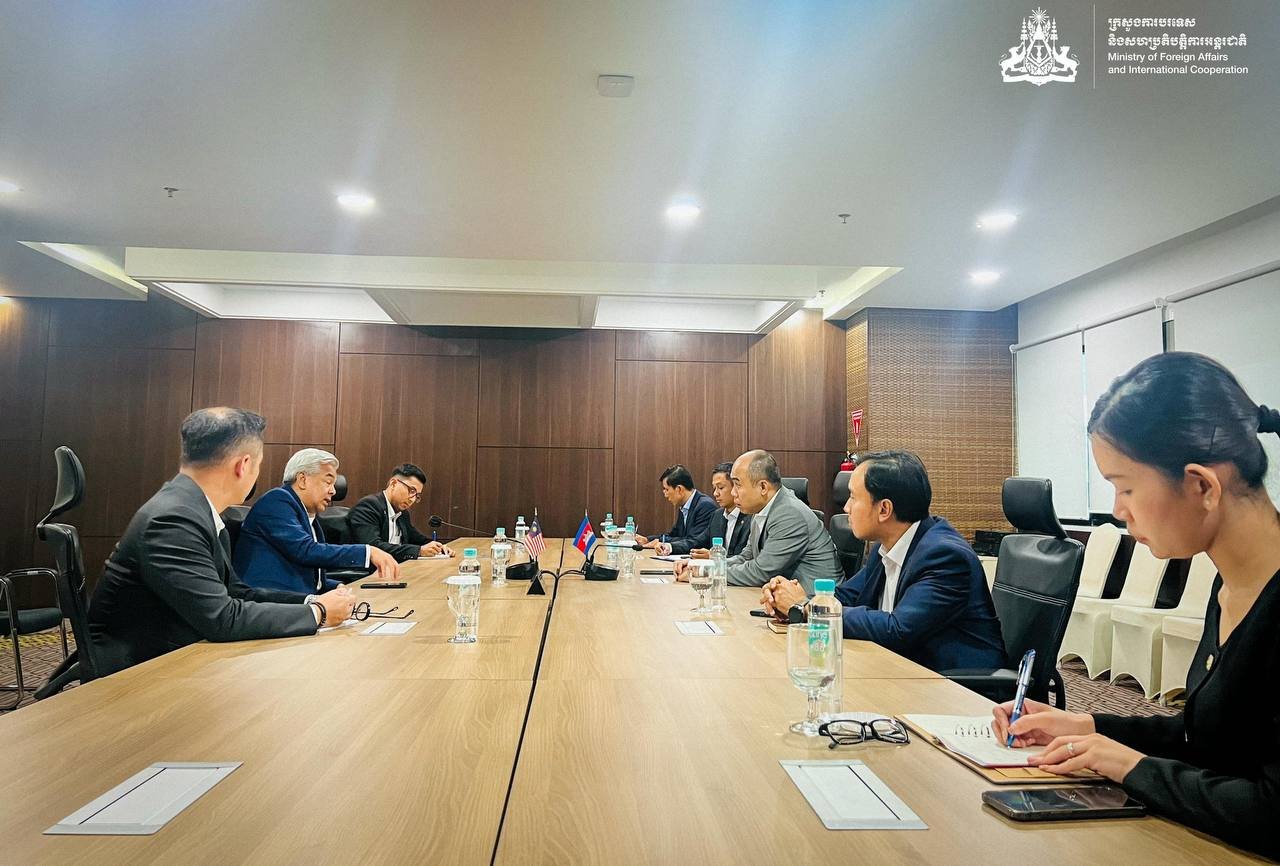
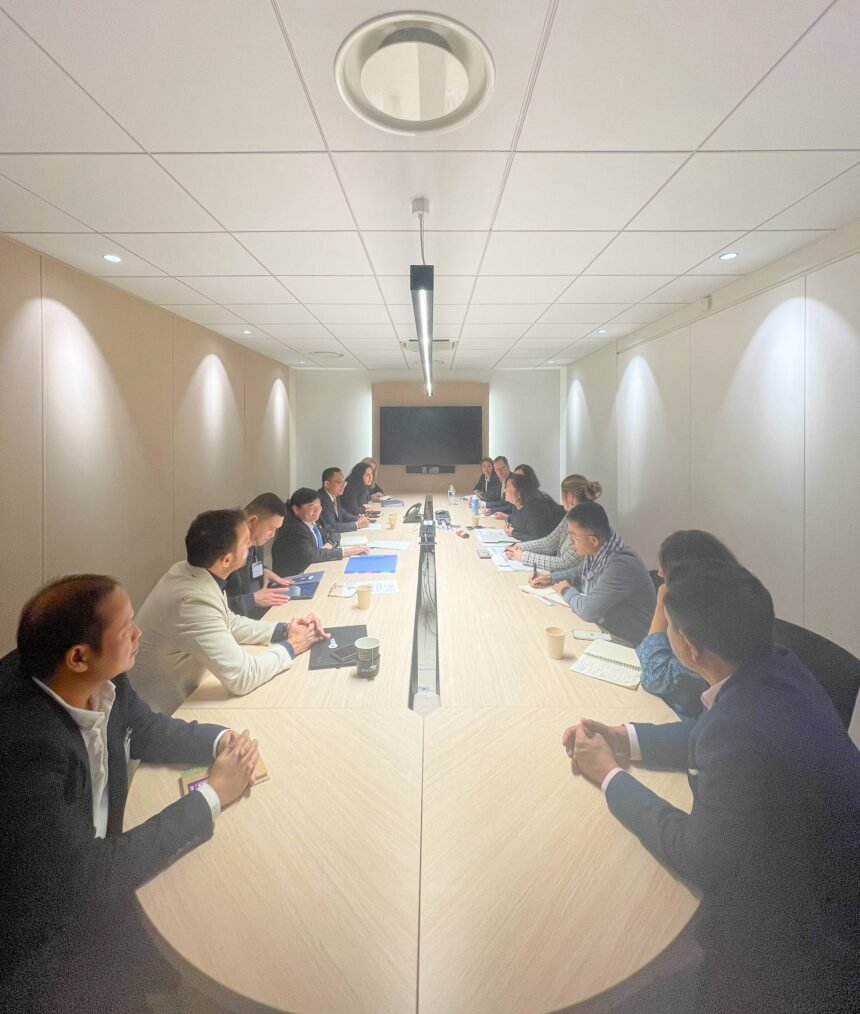
The understanding was reached during a working meeting between senior officials from Cambodia’s Ministry of Labour and Vocational Training and representatives of the German government and development partners. Discussions focused on enhancing policy coordination, improving skills development systems, and strengthening social protection mechanisms to support workers and vulnerable groups.
Officials said cooperation in vocational education and training (VET) will remain a central pillar of the partnership. Germany has long been a development partner in Cambodia’s skills sector, supporting initiatives aimed at aligning training programs with labor market needs. The renewed cooperation is expected to emphasize curriculum development, instructor training, and closer engagement with the private sector to improve job readiness for graduates.
In the area of labor, both sides highlighted the importance of improving labor standards, occupational safety, and institutional capacity. Strengthening labor administration and inspection systems was discussed as part of broader efforts to promote decent work and ensure compliance with national regulations and international commitments.
The meeting also addressed social protection, including systems designed to support workers, low-income households, and vulnerable populations. Cooperation is expected to focus on technical assistance, policy development, and capacity building to enhance the effectiveness and coverage of social protection schemes.
Cambodian officials noted that the partnership with Germany aligns with the government’s broader human capital development strategy, which seeks to improve productivity, expand employment opportunities, and support inclusive growth. German representatives reaffirmed their commitment to continued collaboration, highlighting the role of skills development and social protection in supporting sustainable economic development.
Both sides agreed to continue coordination through relevant technical working groups and to identify priority projects for implementation in the coming period. The discussions underscored a shared interest in practical, results-oriented cooperation that links education and training systems with labor market demand while strengthening social safeguards.
The agreement marks another step in Cambodia–Germany relations, with cooperation in labor and vocational training seen as a key component of broader development engagement between the two countries.
Also Read: $200M Wind Power Plant Approved in Mondulkiri to Boost Cambodia’s Renewable Energy Sector