Cambodia’s rubber sector has recorded strong export growth, with shipments of rubber and related products rising by around 36% in the early months of 2026, supported by stable global demand and improving commodity prices. The increase highlights the continued importance of rubber as one of Cambodia’s key agricultural export commodities.
Government data indicates that international demand for natural rubber remained stable across major markets, contributing to higher export revenues for Cambodian producers and exporters. The sector has also benefited from expanded rubber plantations and improved agricultural production across several provinces.
Export Performance and Market Trends
Rubber exports are considered a vital component of Cambodia’s agricultural trade portfolio. The increase in export performance reflects both global demand and consistent production levels.
Key export indicators
- Rubber and rubber-related exports increased by about 36% year-on-year
- Global demand remained stable across major importing countries
- Export revenues improved due to strong international rubber prices
- The rubber sector continues to support thousands of farming households
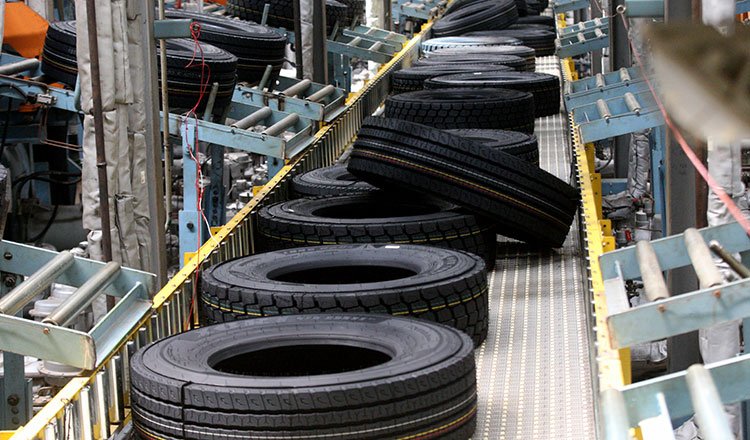
Cambodia exports rubber mainly to manufacturing markets where it is used for tyres, industrial materials, and rubber-based products.
Rubber Industry Snapshot
| Category | Details |
|---|---|
| Sector | Agricultural exports |
| Main Product | Natural rubber and rubber products |
| Export Growth | ~36% increase |
| Key Markets | International manufacturing sectors |
| Economic Role | Major agricultural export commodity |
The rubber industry remains a significant contributor to Cambodia’s rural economy and export earnings.
Agricultural Production and Plantation Expansion
Cambodia has steadily expanded rubber cultivation over the past decade. Large plantation areas and family-owned farms contribute to national production.
Production ecosystem includes
- Industrial rubber plantations
- Smallholder rubber farmers
- Export processing companies
- Logistics and commodity trading networks
Rubber cultivation is concentrated in provinces such as Tbong Khmum, Kratie, Ratanakiri, and Mondulkiri, where climate conditions support plantation growth.
Economic and Industrial Development Implications
Growth in rubber exports may influence broader economic and infrastructure activity in Cambodia.
Potential impacts include
- Expansion of agricultural processing facilities
- Increased demand for logistics and warehousing infrastructure
- Growth in industrial rubber product manufacturing
- Investment opportunities in agro-industrial zones
The sector’s export performance also highlights Cambodia’s role as an emerging supplier of natural rubber to global manufacturing industries.
Possible Real Estate and Infrastructure Effects
Although primarily an agricultural commodity, growth in rubber exports may support development in related sectors.
Possible real estate implications
- Expansion of industrial zones linked to tyre and rubber processing factories
- Increased demand for logistics hubs and export warehouses
- Development of agricultural storage and processing facilities
- Growth in transport infrastructure near plantation regions
These developments may support regional economic activity, particularly in Cambodia’s rubber-producing provinces.
Also Read: Historic 100-Pillar House in Kratie Set for Improvements to Boost Tourism