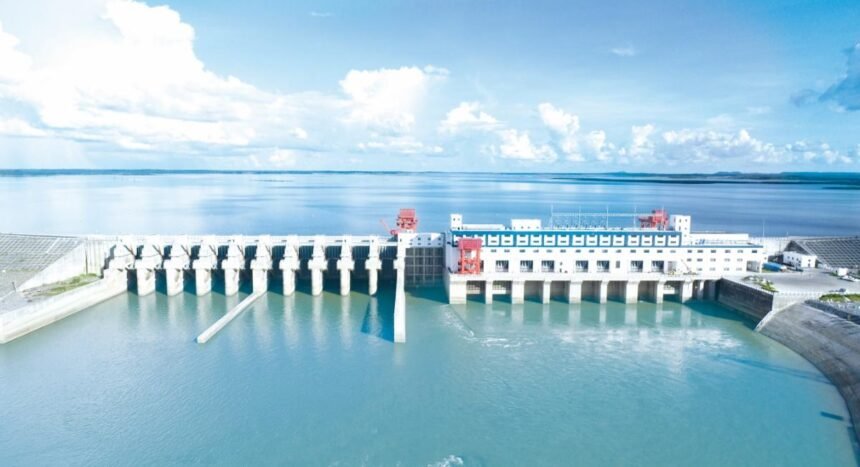
A China-invested hydropower project has been launched in Cambodia, marking a key step in the country’s transition toward renewable energy. The project, located in the Tatay River basin, is designed as a pumped-storage hydropower facility with a capacity of approximately 1,000 megawatts.
The development highlights ongoing cooperation between Cambodia and China in expanding energy infrastructure and reducing reliance on fossil fuels.
Key Features of the Project
The hydropower station is expected to play a central role in Cambodia’s energy system by supporting renewable integration and improving electricity reliability.
Highlights:
- Installed capacity of around 1,000 MW
- Pumped-storage technology for energy balancing
- Functions as a “green power bank” for the grid
- Supports wind and solar energy integration
Supporting Cambodia’s Renewable Energy Targets
Officials indicate that the project will help increase Cambodia’s clean energy share from over 63% in 2025 to more than 70% by 2030.
Expected Benefits:
- Increased renewable energy adoption
- Reduced dependence on fossil fuels
- Enhanced grid stability and peak-load management
- Long-term energy security
Role of China-Cambodia Cooperation
The project is part of broader bilateral cooperation under infrastructure and energy initiatives. Chinese investments have played a significant role in Cambodia’s power sector, contributing to improved electricity access and energy diversification.
The hydropower facility is also expected to complement existing energy projects, forming an integrated system combining hydro, solar, and wind resources.
Also Read: Cambodia, GE Vernova Strengthen Cooperation on Renewable Energy and Grid Modernisation
Project Overview Table
| Aspect | Details |
|---|---|
| Location | Tatay River Basin, Cambodia |
| Capacity | ~1,000 MW |
| Type | Pumped-storage hydropower |
| Key Function | Energy storage & grid balancing |
| Target Impact | Boost clean energy to 70% by 2030 |
Also Read: Cambodia Marks Industrial Milestone with Mega Factory Launch