Factories Increase Environmental Responsibility as Cambodia Pushes for Cleaner Water
Factories in Cambodia are strengthening environmental responsibility as authorities push for cleaner water through improved wastewater treatment, stricter environmental regulations, and sustainable industrial practices.
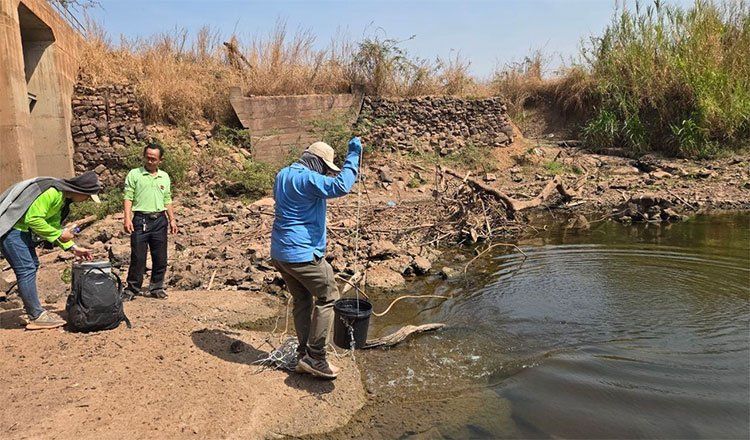
Factories across Cambodia are increasing efforts to improve environmental responsibility as the country intensifies measures to ensure cleaner water and better wastewater management. Authorities and industry representatives are encouraging businesses to adopt improved waste treatment systems and environmentally responsible production practices.
Industrial wastewater has long been a concern in many developing economies, including Cambodia, where manufacturing sectors such as garments and textiles contribute significantly to economic growth. However, government policies and environmental regulations are increasingly requiring factories to treat wastewater before releasing it into rivers and public water sources.
Officials say that stronger environmental compliance among factories is part of Cambodia’s broader strategy to improve water quality and protect natural resources.
Government Measures to Improve Water Quality
Cambodia has introduced environmental regulations aimed at reducing water pollution and ensuring responsible industrial practices.
Key regulatory measures include:
- Requiring factories to filter wastewater before discharge
- Strengthening inspections of industrial facilities
- Encouraging adoption of clean production technologies
- Improving monitoring of water pollution levels
Environmental policies such as the Sub-Decree on Water Pollution Control require businesses to manage wastewater responsibly to protect public water resources.
Role of Industry in Environmental Protection
Factories and manufacturing companies are increasingly adopting sustainability practices as part of environmental compliance and corporate responsibility.
Examples of industry initiatives include:
- Installing wastewater treatment systems
- Reducing chemical discharge into rivers
- Improving waste recycling and disposal practices
- Implementing environmental management programmes
Such measures aim to reduce industrial pollution while supporting sustainable economic growth.
Economic and Real Estate Implications
Environmental improvements in the industrial sector may also influence infrastructure development and investment trends.
Potential impacts include:
- Development of eco-friendly industrial zones
- Growth in green manufacturing facilities
- Expansion of water treatment and environmental infrastructure
- Increased demand for industrial parks with sustainability standards
Industrial zones with stronger environmental management are increasingly viewed as attractive locations for international investors.
Industrial Sustainability Snapshot
| Aspect | Details |
|---|---|
| Sector | Manufacturing and industrial factories |
| Key Issue | Industrial wastewater and pollution |
| Government Focus | Cleaner water and environmental compliance |
| Industry Response | Wastewater treatment and sustainable practices |
| Expected Outcome | Improved water quality and environmental protection |
Outlook
Cambodia continues to promote environmental responsibility across industries as part of its broader sustainability and development agenda. Strengthening wastewater treatment and pollution control measures is expected to help protect water resources while supporting long-term industrial growth.
Also Read: A New Space for Clay: Khmer Ceramics Centre Launches Cambodia’s First Open-Access Pottery Studio