Cambodia has introduced a series of food policy reforms aimed at ensuring safe, nutritious and affordable food is accessible to all citizens as part of broader national nutrition goals. The initiative seeks to strengthen food systems in ways that support public health, enhance dietary quality and reduce the risk of nutrition-related diseases across the population.
Officials from the Ministry of Health and related agencies outlined a multi-faceted approach that includes improved regulation of food safety, increased promotion of healthy dietary practices and support for local food production initiatives. The reforms also emphasise consumer education and awareness, enabling individuals to make informed choices about nutritional content and food quality.
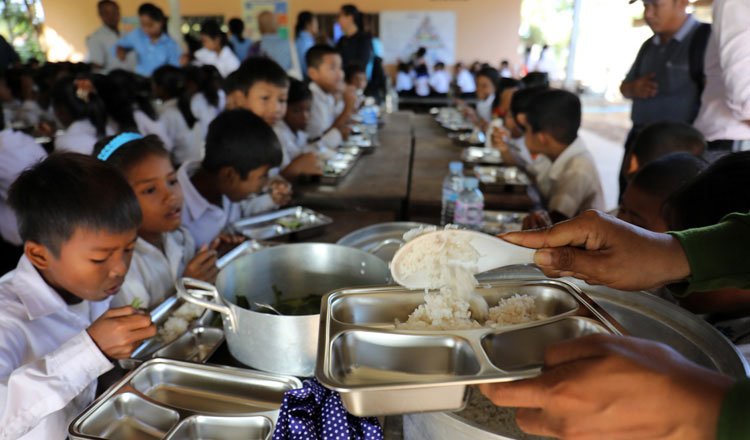
To support these efforts, government bodies are coordinating with community stakeholders and private sector partners to expand programmes that provide nutritious meals in schools and other public settings. These efforts align with the National Policy on School Feeding and broader national nutrition plans designed to reduce undernutrition and contribute to healthier diets across age groups.
Part of the strategy focuses on strengthening food safety standards and labelling requirements to ensure transparency around ingredients and nutritional information. Officials say this could help elevate public trust in food products and encourage healthier choices among consumers in urban and rural areas alike.
Another key element of the reforms is the support for small-scale producers and community agriculture, which can increase the availability of fresh fruits, vegetables and other nutritious foods at reasonable prices. This is seen as particularly important for lower-income households who may otherwise be limited to highly processed foods with lower nutritional value.
Experts note that expanding access to healthy foods, combined with education and regulatory measures, can play an important role in improving population-level nutritional outcomes. As Cambodia continues to implement reform measures, monitoring the impact on food affordability, dietary habits and public health indicators will be essential to assessing the effectiveness of these policies.
The food reforms underscore Cambodia’s efforts to balance economic growth with public health objectives, striving to create food systems that are both sustainable and equitable for all segments of society.
Also Read: Cambodia Aims to Boost Women’s Political Participation by 2028