For Cambodia, investment has never been only about numbers. It is closely tied to national memory, recovery, and a steady belief in progress shaped by decades of rebuilding. As the country moves toward 2026, investment expectations are framed not by sudden optimism, but by continuity—grounded in infrastructure growth, regional integration, and the quiet confidence of a nation that has learned to move forward carefully and collectively.
- Cambodia’s Investment Context Heading into 2026
- Manufacturing and Industrial Investment: Steady Momentum
- Infrastructure and Logistics: Foundations for Long-Term Growth
- Real Estate and Urban Development Outlook
- Tourism and Hospitality: Gradual Rebuilding
- Energy and Sustainability-Focused Investment
- Policy Environment and Investor Confidence
- Looking Ahead: A Cambodian Perspective on 2026
From urban centres to provincial growth corridors, Cambodia’s investment outlook reflects both economic planning and lived experience. The projections for 2026 suggest consolidation rather than speculation, with emphasis on sectors that support long-term stability.
Cambodia’s Investment Context Heading into 2026
Over the past decade, Cambodia has focused on strengthening economic fundamentals while navigating global uncertainty. Despite disruptions caused by the pandemic years and shifting global supply chains, the country has continued to attract interest across manufacturing, construction, logistics, and services.
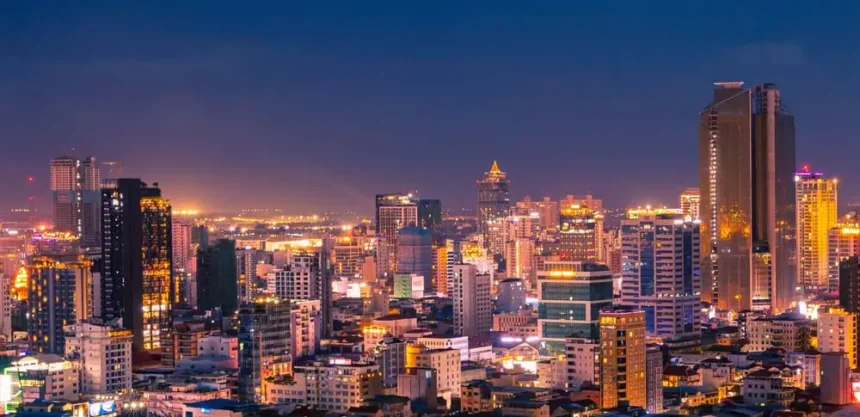
In Phnom Penh, the skyline itself tells a story of gradual transformation—commercial towers, residential developments, and transport upgrades reflecting investor confidence rooted in domestic demand and regional connectivity. This steady evolution forms the backdrop for investment expectations in 2026.
Manufacturing and Industrial Investment: Steady Momentum
Manufacturing is expected to remain a key investment driver in Cambodia through 2026. Garments, footwear, travel goods, and light manufacturing continue to anchor employment and exports, while diversification into electronics assembly and automotive components is slowly advancing.
Special Economic Zones (SEZs) across the country are likely to see sustained interest due to Cambodia’s competitive labour costs and improving logistics infrastructure. For Cambodian communities, factory investment is not only an economic indicator—it represents livelihoods, stability, and opportunities for younger generations entering the workforce.
Infrastructure and Logistics: Foundations for Long-Term Growth
Infrastructure development remains central to Cambodia’s investment narrative. Roads, ports, and power projects are expected to shape capital flows in 2026, supporting both domestic movement and cross-border trade.
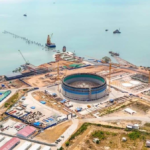
The expansion of logistics capacity around Sihanoukville, including port upgrades and industrial linkages, is likely to strengthen Cambodia’s position in regional supply chains. Inland transport corridors connecting provinces to economic hubs are also expected to draw investment tied to construction, materials, and services.
For Cambodians, infrastructure projects are often felt directly—through improved access, reduced travel times, and increased economic activity in once-remote areas.
Real Estate and Urban Development Outlook
Real estate investment in Cambodia has shifted toward more measured growth. By 2026, market expectations point to selective development rather than broad-based expansion.
Residential demand in urban centres is projected to remain steady, driven by population growth, household formation, and urban migration. Commercial real estate is expected to focus on functional spaces—offices, logistics hubs, and mixed-use developments aligned with actual demand rather than speculative construction.
This recalibration reflects a maturing market shaped by experience and regulatory oversight, offering a more stable environment for long-term investors.
Tourism and Hospitality: Gradual Rebuilding
Tourism investment is expected to continue its recovery path through 2026, supported by regional travel and infrastructure improvements. Rather than rapid expansion, the focus is increasingly on quality, sustainability, and diversification beyond traditional destinations.
Coastal areas, cultural tourism, and eco-tourism projects are projected to attract measured investment aligned with conservation and community involvement. For many Cambodians, tourism investment carries emotional weight—it supports local businesses, preserves heritage, and connects livelihoods to the country’s cultural identity.
Energy and Sustainability-Focused Investment
Energy security and sustainability are emerging as increasingly important investment themes. Renewable energy projects, grid upgrades, and energy efficiency initiatives are expected to gain attention as Cambodia balances growth with environmental responsibility.
These investments are closely linked to national development goals and long-term resilience. For local communities, access to reliable energy remains a key enabler of education, healthcare, and enterprise.
Policy Environment and Investor Confidence
Cambodia’s investment outlook for 2026 is shaped by policy continuity and regulatory clarity. Institutions such as the Council for the Development of Cambodia continue to play a central role in facilitating investment approvals and promoting priority sectors.
Ongoing efforts to streamline procedures, enhance transparency, and align with regional trade frameworks are expected to support investor confidence. From a Cambodian perspective, this consistency reinforces trust—not only among investors, but among citizens who depend on sustainable economic growth.
Looking Ahead: A Cambodian Perspective on 2026
Investment predictions for Cambodia in 2026 are defined less by dramatic shifts and more by endurance. The country’s economic path reflects lessons learned from history: growth must be stable, inclusive, and aligned with national priorities.
For Cambodians, investment is meaningful when it translates into jobs, infrastructure, education, and opportunity. The outlook for 2026 suggests continued progress built on these values—quietly confident, cautiously optimistic, and deeply rooted in the collective experience of a nation that understands the cost of instability and the value of steady development.
As Cambodia approaches 2026, investment expectations point toward sustained momentum across manufacturing, infrastructure, real estate, tourism, and energy. Shaped by resilience and continuity, the country’s investment landscape reflects a balance between economic ambition and lived realities.
Seen through a Cambodian lens, these projections are not just forecasts—they are part of an ongoing journey toward stability, opportunity, and shared prosperity.
Also Read: Best Beaches in Cambodia: A Complete Coastal Guide