Siem Reap Ranked Among the World’s Safest Cities for Solo Travellers — and What It Signals for Regional Tourism in 2026
Siem Reap’s ranking as one of the world’s safest cities for solo travellers boosts confidence in Cambodia’s tourism sector. Coupled with India’s economic resilience, this trend may support stronger regional travel flows in Southeast Asia in 2026.
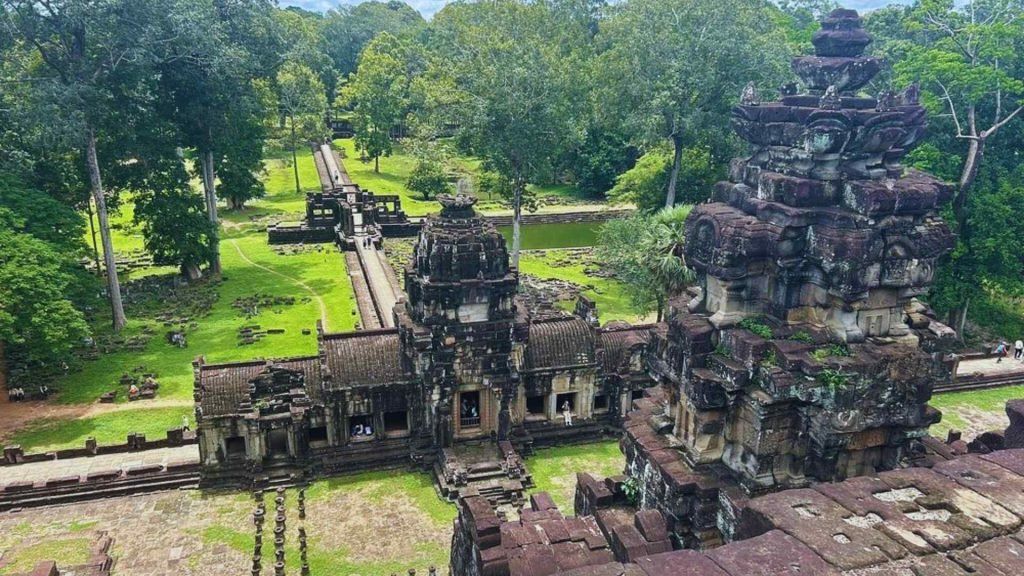
Across sandy temples, sacred canals, and busy town markets, Siem Reap has long enchanted travellers with its blend of history and hospitality. Recently, the city gained added recognition on the global stage — being ranked among the safest cities in the world for solo travellers — a distinction that carries meaning well beyond travel guides and review scores.
In 2026, as the world continues to navigate economic uncertainty, shifting tourism patterns, and the enduring effects of climate change, such recognition offers more than reassurance for visitors. It reflects broader regional resilience — shaped by stable community values, coordinated tourism development, and expanding connectivity across Asia.
Seen from a Cambodian perspective, Siem Reap’s rise as a safe, welcoming hub is both a success of local stewardship and a signpost pointing toward regional cooperation in tourism, trade, and technology.
Safety and Tourism: A Foundation for Sustainable Growth
Siem Reap’s recent ranking among the world’s safest cities for solo travellers comes from global travel and security indices that assess factors like personal safety, healthcare accessibility, infrastructure, and public order. For a destination anchored in cultural heritage, such validation carries emotional resonance for local communities — especially those whose livelihoods depend on personal interaction, service, and hospitality.
Cambodian tourism stakeholders have long emphasised responsible tourism, community engagement, and respectful visitor experiences. These practices, rooted in a culture of courtesy and resilience, have helped Siem Reap maintain a reputation for safety even as international visitor numbers return to pre-pandemic levels.
For many visitors, this safety ranking provides not just confidence but permission — to explore, to engage, and to connect with Cambodia’s rich cultural landscape.
India’s Resilience: Influence on Regional Travel Patterns
While local efforts in Siem Reap build confidence on the ground, broader global signals also shape travel flows across Asia. One of the most significant of these signals in 2026 is India’s economic resilience amid global uncertainty.
Despite worldwide economic pressures, India’s scale, diversified economy, and strong domestic demand have contributed to a stabilised growth outlook. This matters for tourism in Southeast Asia in several ways:
- Outbound travel demand: As Indian household incomes and travel budgets grow, more travellers are venturing abroad. Southeast Asian destinations are increasingly on their itinerary.
- Investment confidence: India’s economic stability supports confidence in regional travel infrastructure and aviation links.
- Cultural bridges: Stronger people-to-people connections through shared festivals, language familiarity, and diaspora networks support deeper integration with ASEAN travel markets.
For Cambodia — and Siem Reap in particular — this means growing interest from Indian travellers, among others, who combine cultural exploration with comfort and safety.
What Safety Rankings Mean for Regional Tourism
A city’s security reputation ripples further than hotel bookings. When a destination is recognised as safe, it influences air routes, digital travel planning, tourism investment, and international partnerships.
For Southeast Asia as a region:
- Airlines may increase connectivity between stable hubs.
- Travel planners prioritise destinations with high safety ratings in promotional campaigns.
- Investors view travel stability as a marker of long-term viability.
- Tourists are more likely to choose destinations that suit solo travel, family travel, and extended stays.
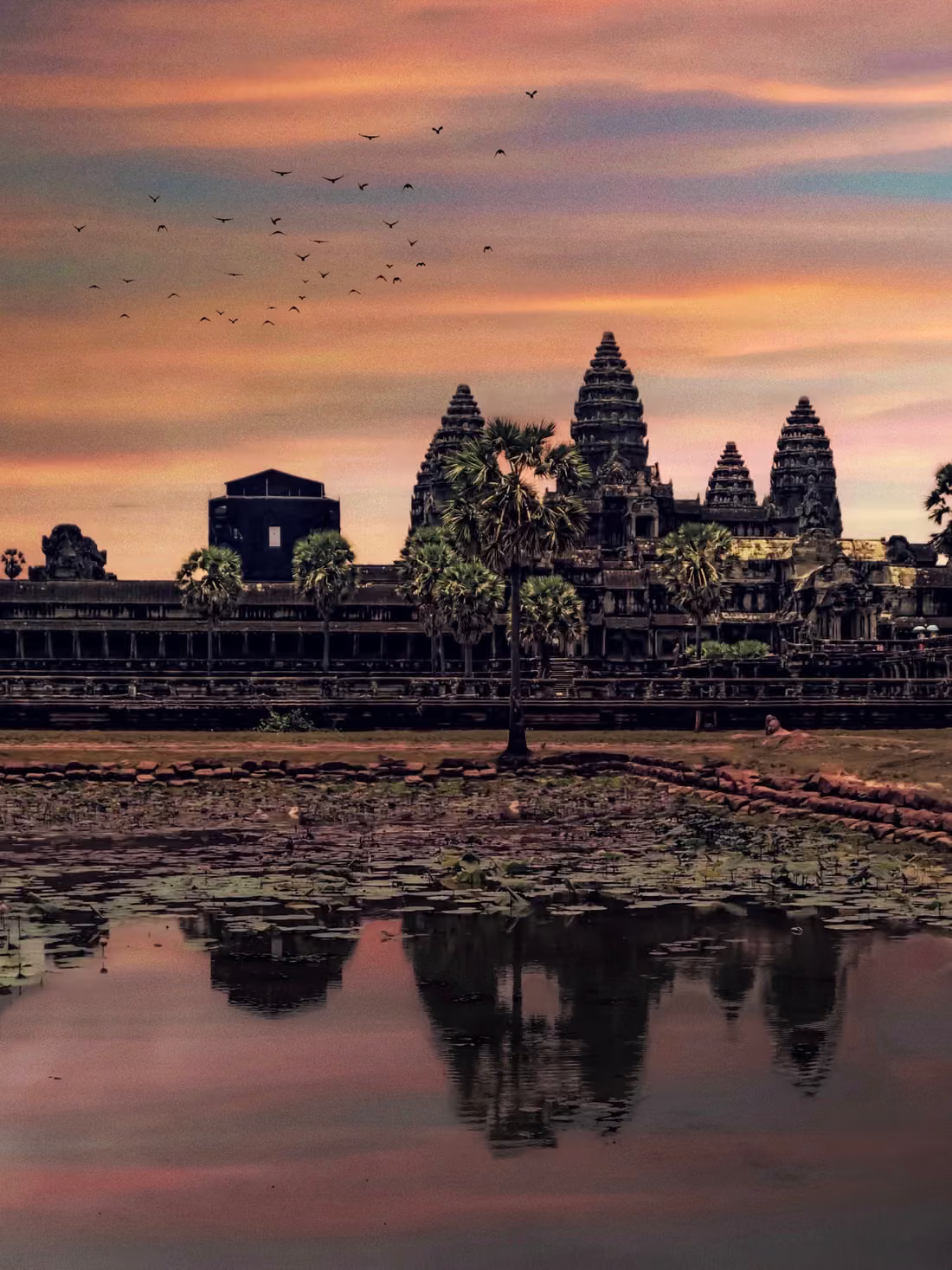
Siem Reap’s safety reputation adds to Cambodia’s overall tourism ecosystem, strengthening its role as a gateway to Angkor Wat, Tonlé Sap, and other natural and cultural attractions.
Cambodia Amid Shifting Regional Markets
The Asia-Pacific region is dynamic and interconnected. Trade, travel, and investment do not move in isolation. What happens in one economy often affects neighbouring ones. India’s resilience feeds into this larger picture in ways that matter for Cambodia:
- Trade continuity supports economic stability, which in turn supports travel budgets.
- Regional tourism demand becomes more diversified, reducing dependence on singular markets.
- Cultural exchange fosters deeper diplomatic and educational engagement.
For Cambodia, this interconnectedness is not abstract. It is felt in Phnom Penh’s urban rhythm, in Siem Reap’s vibrant streetscapes, and in the arrival halls of airports serving travellers from multiple regions.
Balancing Growth with Cultural Integrity
While travel increases, maintaining safety and cultural respect remains central. Cambodia’s approach to tourism emphasises:
- Respect for heritage sites
- Support for local businesses
- Community-led tourism initiatives
- Environmentally conscious tourism planning
These values align with global expectations and foster richer, more meaningful experiences for travellers — including solo visitors, families, and cultural tourists.
Siem Reap’s Role in Cambodia’s Tourism Future
Siem Reap’s recognition as among the world’s safest cities for solo travellers highlights strengths that matter to both local communities and international audiences:
- A welcoming environment supported by strong community values
- Tourism infrastructure that balances accessibility and authenticity
- Cultural heritage that resonates with global curiosity
- A safety framework that reflects national stability
This recognition sets a precedent not just for Siem Reap, but for Cambodian destinations that are positioning themselves within a broader Southeast Asian travel network.
The early months of 2026 have emphasised resilience — in economies, in communities, and in the choices travellers make. India’s economic stability, even amid global uncertainty, plays a part in sustaining regional travel flows and confidence. Cambodia’s own achievements, including Siem Reap’s safety ranking, reflect resilience of another kind — one shaped by culture, courtesy, and continuity.
Seen through a Cambodian lens, travel is not only about destinations. It is about trust, shared experience, and the belief that the world remains open to connection, exploration, and mutual respect.
Also Read: Yeak Laom Lake & Surroundings, Ratanakiri: Cambodia’s Volcanic Wonder