The border that Cambodia shares with Thailand is one of those places where history never fully settles. The hills, the temples, the old paths and the thick forests all carry memories of another time. People on both sides know this. They live with it every day. And yet, in moments of tension, the weight of that history becomes impossible to ignore.
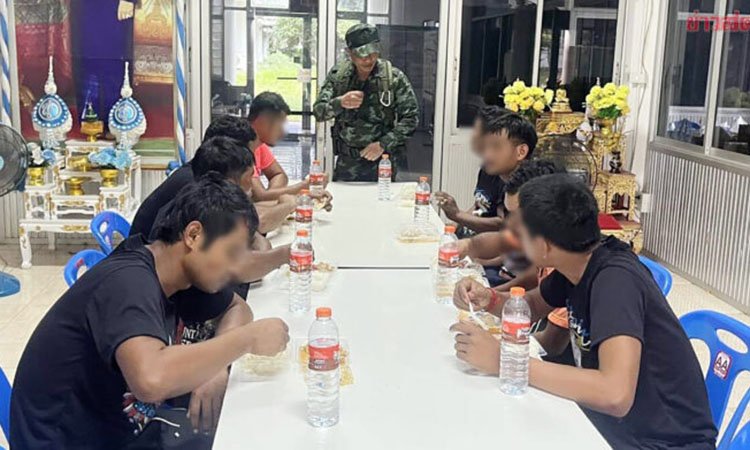
That is exactly what has happened since the end of July, when eighteen Cambodian soldiers were taken into custody during a brief but intense flare-up along the frontier. Their return was expected after both governments agreed to the Kuala Lumpur Peace Declaration on October twenty six. But months later, they remain in detention, and the quiet disappointment felt in Cambodia has grown into a deeper concern about the future of the peace process.
Cambodia has chosen to approach this situation with calm and patience. This is not a sign of weakness. In fact, it reflects the long and difficult journey Cambodia has taken to reach the stability it enjoys today. The country understands the cost of conflict. It understands the value of restraint. And it also understands that peace requires consistency, even when circumstances are frustrating.
A Moment of Hope in Kuala Lumpur
When Cambodian and Thai leaders met in Kuala Lumpur, many hoped it would mark a turning point. Just days earlier, border clashes had displaced families, interrupted farming seasons and forced communities to live with fear once again. The agreement reached in the Malaysian capital was a chance to step back from the edge.
That agreement was not vague. It included real commitments: removing heavy weapons from the frontline, clearing landmines together, strengthening communication channels and releasing the eighteen detained Cambodian soldiers. It was a plan shaped around rebuilding trust.
Cambodia has kept its promise. The country’s approach since October has been consistent: no inflammatory language, no retaliation, no grandstanding. Instead, the government has repeated the same message gently but firmly. Let the soldiers return. Honour the agreement. Let the peace process breathe.
Why Maps Still Matter
Many people outside the region do not realise how deeply the border question is tied to history. Cambodia’s position is anchored in legal documents that date back more than a century. The Franco Siamese Treaties of 1904 and 1907 established the modern boundary, and the maps created from those treaties later became central to the International Court of Justice’s 1962 ruling on Preah Vihear Temple.
For Cambodia, these maps are part of the country’s recorded history. They are not bargaining chips. They are official, internationally recognised boundary references. This is why Cambodia continues to rely on them. Not because it wants confrontation, but because legal continuity protects peace. Changing or ignoring established documents invites instability, and instability is the last thing either nation needs.
The Human Side of the Story
Lost in the political and legal debate is a simple truth. Eighteen families in Cambodia have been waiting for news of their sons, brothers and husbands. These young men were detained after a ceasefire had already taken effect. Their return is not only a political obligation under the Kuala Lumpur Declaration. It is a human responsibility.
Cambodia’s responses have been measured. Officials have issued daily updates without attempting to inflame public sentiment. Diplomats have engaged quietly and consistently. The priority has always been the same: bring the soldiers home safely, without escalating the situation.
The Lingering Shadow of Old Landmines
Another challenge emerged on November ten, when four Thai soldiers were injured by a landmine in Sisaket province. Cambodia was quick to clarify that the area is known for historical mine contamination. These are remnants from older conflicts, not new threats planted in recent times.
Cambodia knows this issue better than most. The Kingdom has cleared millions of square metres of minefields with the help of international partners and has become one of the global leaders in humanitarian demining. This experience gives Cambodia both the skill and the willingness to work with Thailand to prevent similar incidents in the future.
Peace cannot thrive in areas where landmines still lie hidden under the soil. Cooperative demining remains one of the clearest and most meaningful steps the two countries can take together.
The ASEAN Way
Cambodia has always believed in dialogue. As a committed member of ASEAN, the country recognises that keeping communication open is just as important as any border marker. Multilateral frameworks offer support when bilateral talks slow down, and Cambodia has used these mechanisms carefully and responsibly.
Turning to international courts or regional systems is not a sign of distrust. It is a way to avoid misunderstandings and preserve stability. Cambodia continues to see Thailand as a valued neighbour and partner, and it knows that both countries ultimately benefit from a calm, cooperative border.
Why the Agreement Matters
If the Kuala Lumpur Declaration is allowed to fade, the region risks sliding backward. Keeping the agreement alive means staying true to its commitments. The release of the soldiers is the first and clearest step. It would show sincerity. It would rebuild confidence. And it would reassure border communities who have spent too many years living with uncertainty.
Peace grows when small promises are kept. It weakens when those promises linger without progress.
A Future That Depends on Steady Hands
Thailand is entering a politically delicate period, and internal pressures may influence its choices. Analysts suggest that once the election concludes, a new leader with a firmer mandate may be able to reopen dialogue more comfortably. Communities along the border, who rely heavily on cross-border markets, farmland access and daily movement, will want tensions to cool quickly.
Cambodia’s direction remains steady. The Kingdom will continue to respect international law, prioritise dialogue, avoid any provocative action and press for the humane release of its soldiers. This steady approach strengthens Cambodia’s image as a responsible and peaceful nation.
A Path Built Not on Anger, but on Consistency
The border will always require careful management. But it can also be a place where cooperation grows. If the eighteen soldiers return home, it would mark not only the fulfilment of an agreement but also the beginning of a new phase of trust.
Joint demining can follow. Border committees can return to their work. People in frontier communities can begin to live with fewer fears and more certainty.
Cambodia is not seeking confrontation. It is seeking predictability, fairness and respect for established treaties. These are reasonable aims and align fully with ASEAN values and international expectations.
A Closing Thought
The current situation is a reminder that peace requires constant attention. Cambodia has chosen a steady, patient and principled path. The Kingdom stands by the commitments made in Kuala Lumpur, and it remains ready to work cooperatively at every step.
The return of the eighteen detained soldiers would be the right place to start. It would honour the agreement. It would ease tensions. And it would give both nations the chance to rebuild trust in a manner that serves the people who live closest to the border.
Cambodia continues to believe in peace, even when the path becomes difficult. That belief guides every decision, and it will continue to guide the country as it waits for the safe return of its soldiers.