Guest Editorial by H.E. Samheng Boros, Minister Attached to the Prime Minister of the Kingdom of Cambodia
- Introduction: A Region at a Crossroads
- A Ceasefire Announced, Yet the Violence Went On
- Strikes Reaching Deeper Into Cambodia
- The Human Toll: Numbers Cannot Capture the Pain
- Damage Near Preah Vihear: A Loss for Everyone
- Cambodia’s Position: Let Evidence Speak, Let Dialogue Lead
- The Role of ASEAN and International Partners
- Responsibility Cannot Be Paused
- The Broader Impact on Our Region
- Steps Cambodia Urges for Immediate Stability
- A Message From Cambodia to the Region and the World
- Looking Ahead
Introduction: A Region at a Crossroads
Anyone who has spent time in Southeast Asia knows how much ordinary people value calm, predictability, and good relations with neighbours. It is something we often take for granted because for many years our region has managed disagreements quietly, through talks and patient diplomacy. But the events along the Cambodia–Thailand border in recent days have reminded us how fragile that stability can be when misunderstandings grow too quickly and when military action continues even after leaders publicly agree to stop.
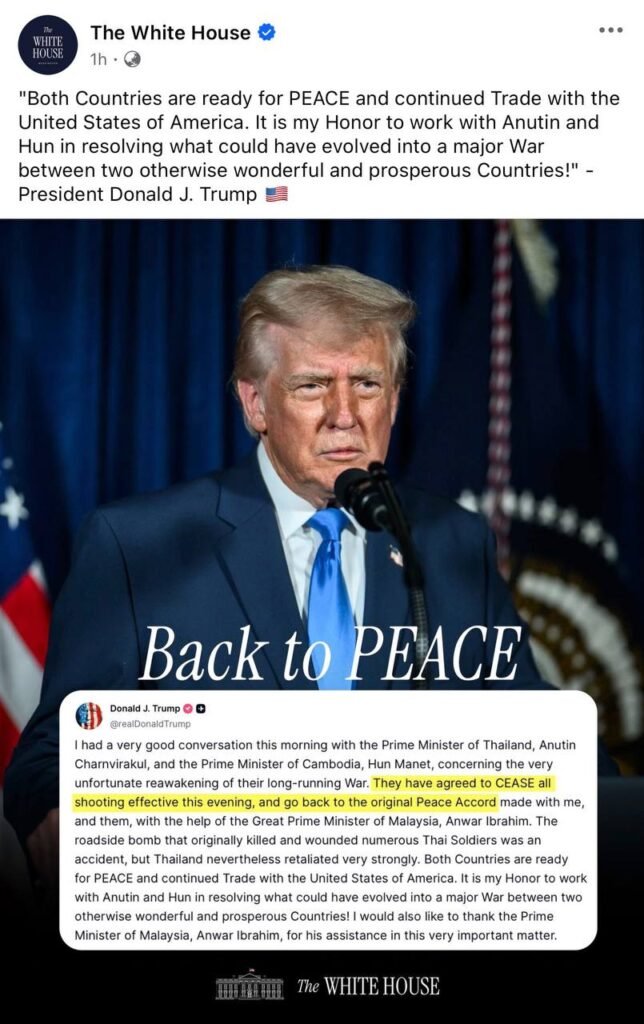
Families in Cambodia’s border provinces were hoping to rest when they heard that the fighting would end. President Donald J. Trump said he had spoken with both prime ministers, including Samdech Moha Borvor Thipadei Hun Manet, and that both sides had agreed to halt shooting and return to the Kuala Lumpur Peace Accord. Many people believed the danger had passed. Unfortunately, what followed did not match those expectations.
A Ceasefire Announced, Yet the Violence Went On
The ceasefire announced on 13th December at 1AM should have created space for breathing, reflection, and dialogue. But just within an hour, new explosions were felt. What people experienced on the ground did not match what had been promised at the diplomatic level.
Shelling in Koh Kong Before Sunrise
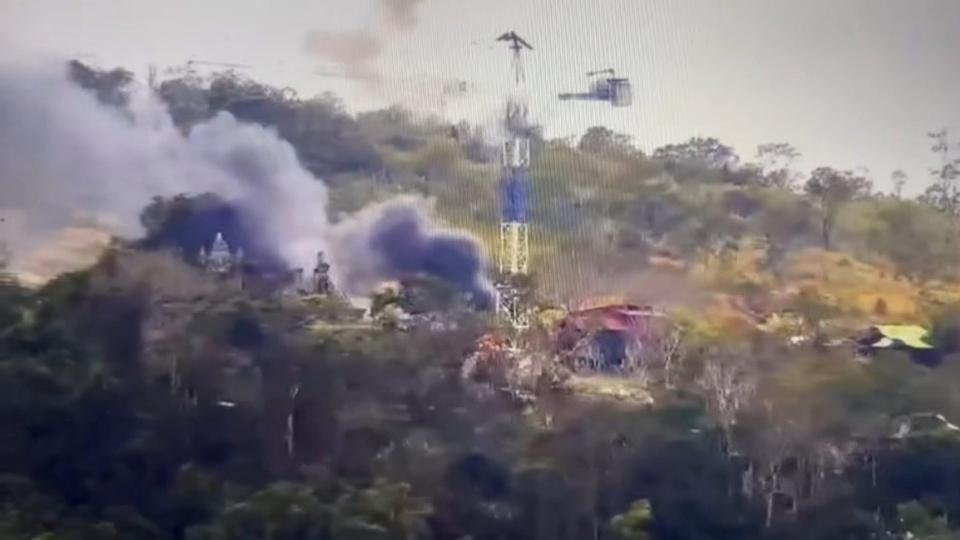
At around two in the morning, artillery shells fell in parts of Koh Kong province. Some landed close to homes, near the beach, and near a pagoda. Local authorities told families to leave immediately. Many left with only the clothes they were wearing. It is a frightening thing to gather your children in the dark and run without knowing where to go next.
Bombings in Pursat as Day Broke
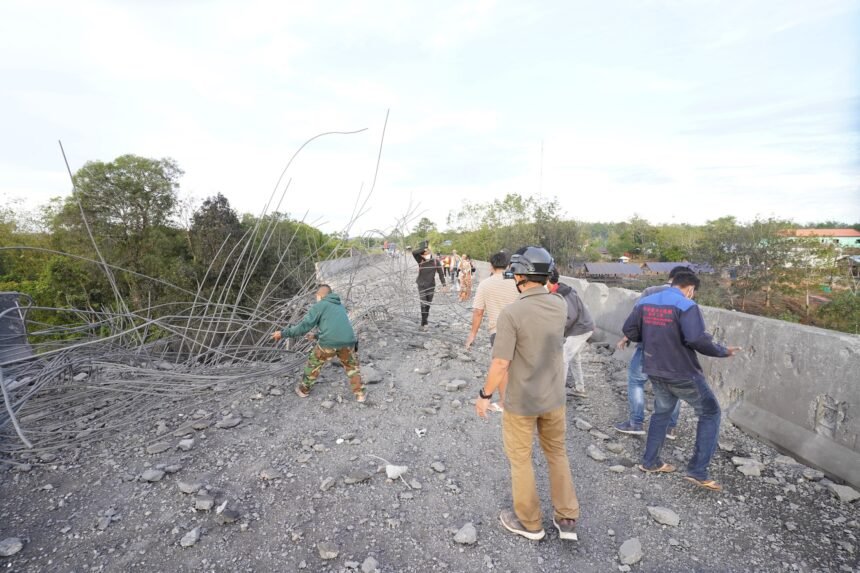
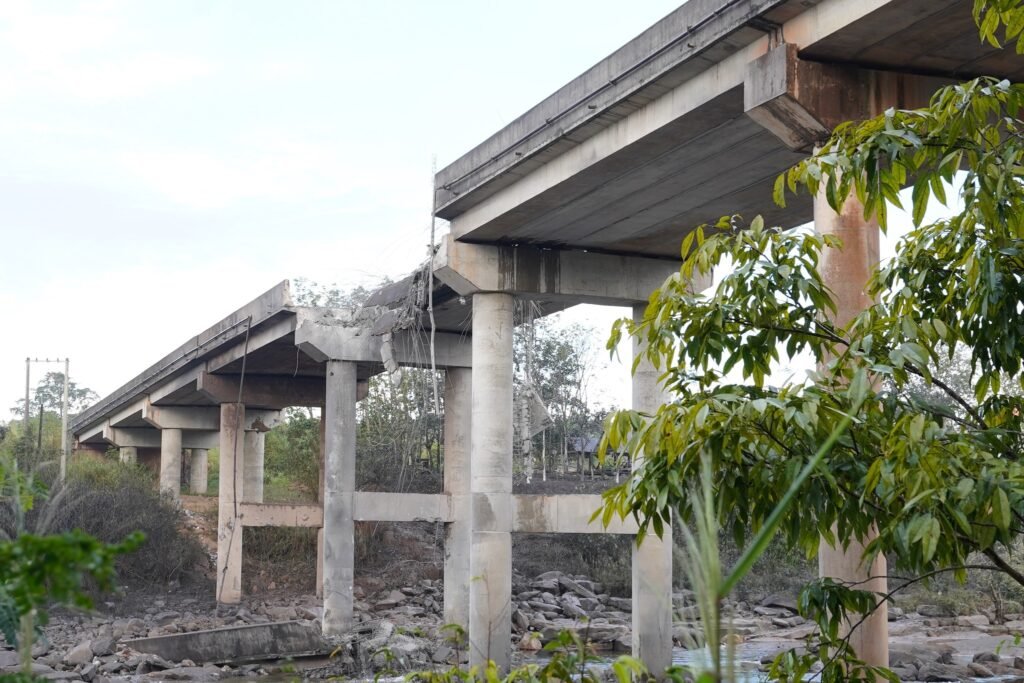
As dawn approached, fighter jets released bombs on several locations in Pursat province, including a bridge that local people depend on. This happened when the ceasefire was supposed to be fully in effect. It created real confusion, not only for civilians, but also for those trying to coordinate relief and safety on the ground.
These are not details spoken from anger. They are simply the facts as people lived them.
Strikes Reaching Deeper Into Cambodia
What has worried many of us is how far these incidents have stretched from the border. In just a few days, the range of airstrikes expanded from roughly thirty kilometres deep to almost ninety kilometres. That is not a small shift. It pushed fear into places that have rarely seen conflict in recent decades.
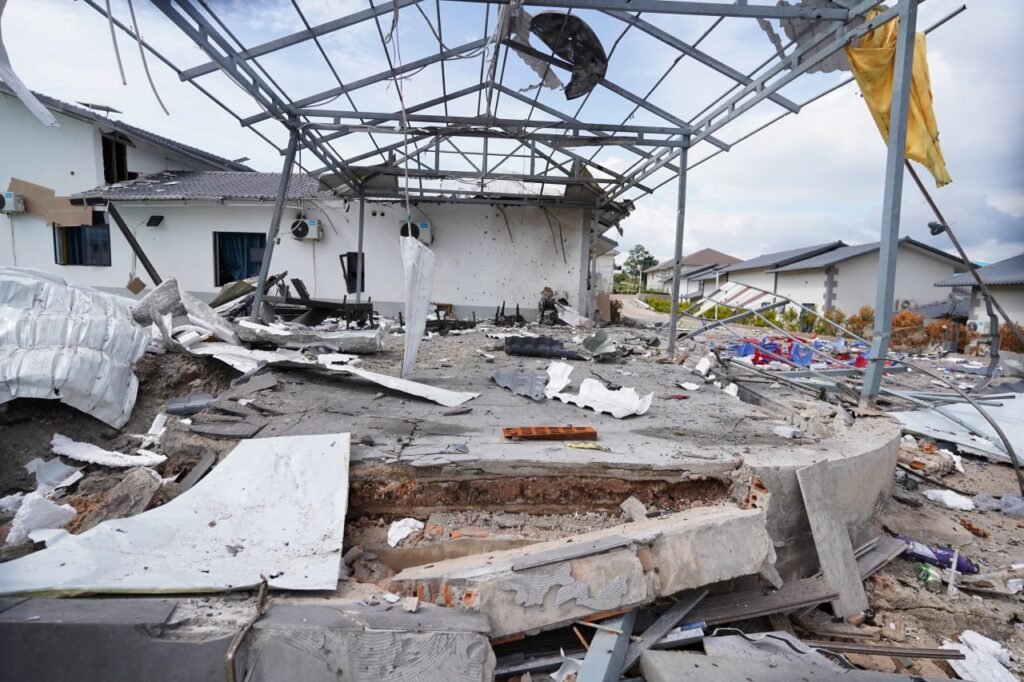
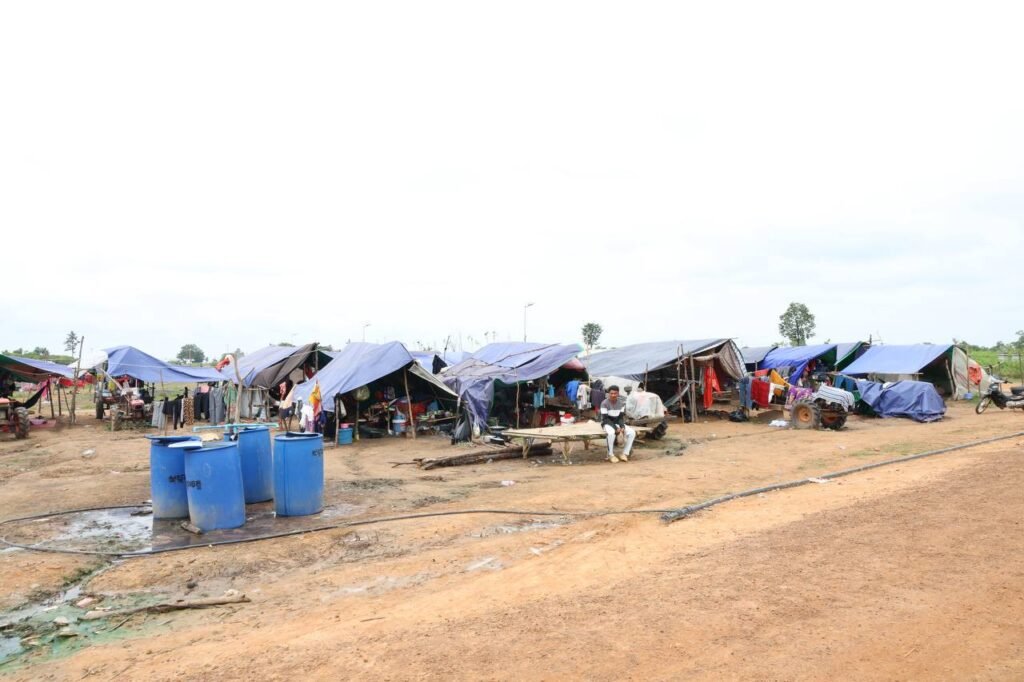
In Thmor Da Commune, for example, more than nine hundred families evacuated. Homes belonging to locals and foreign investors were damaged. A once-busy area became almost silent overnight. When an entire community moves at once, it leaves a mark that is not easily forgotten.
The Human Toll: Numbers Cannot Capture the Pain
Statistics help us understand scale, but they do not tell the whole story. Eleven Cambodian civilians have been confirmed dead, including a baby. Dozens more have been injured. More than 98,000 families, over 331,000 people have been displaced across several provinces. There are mothers carrying infants, farmers who abandoned their livestock, and elderly residents who were helped onto trucks because they could not walk far on their own.
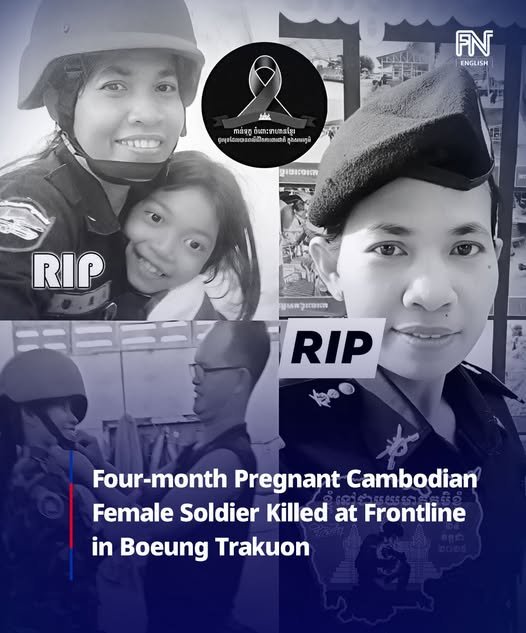
In times like this, the emotional weight sits heavily on local officials, volunteers, and neighbours who try to help one another while dealing with their own fears.
Damage Near Preah Vihear: A Loss for Everyone
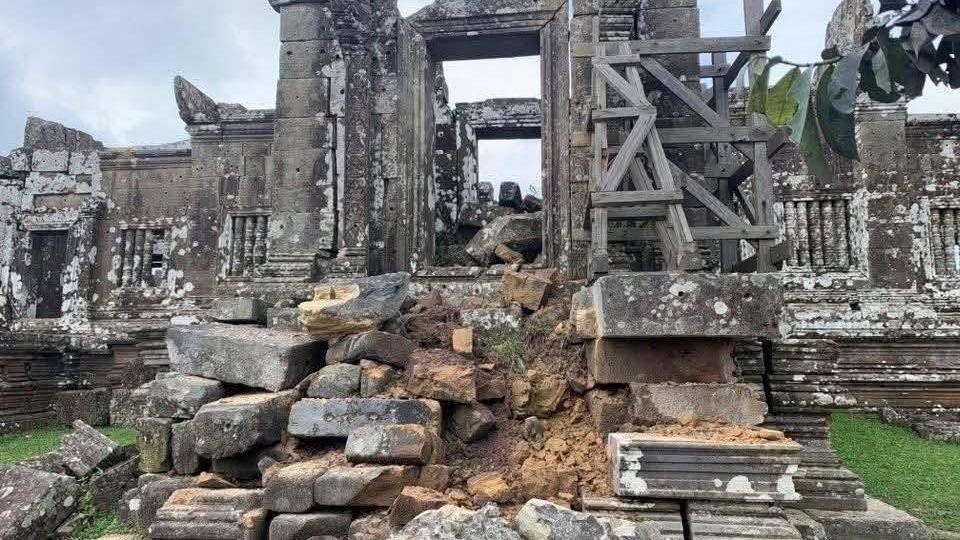
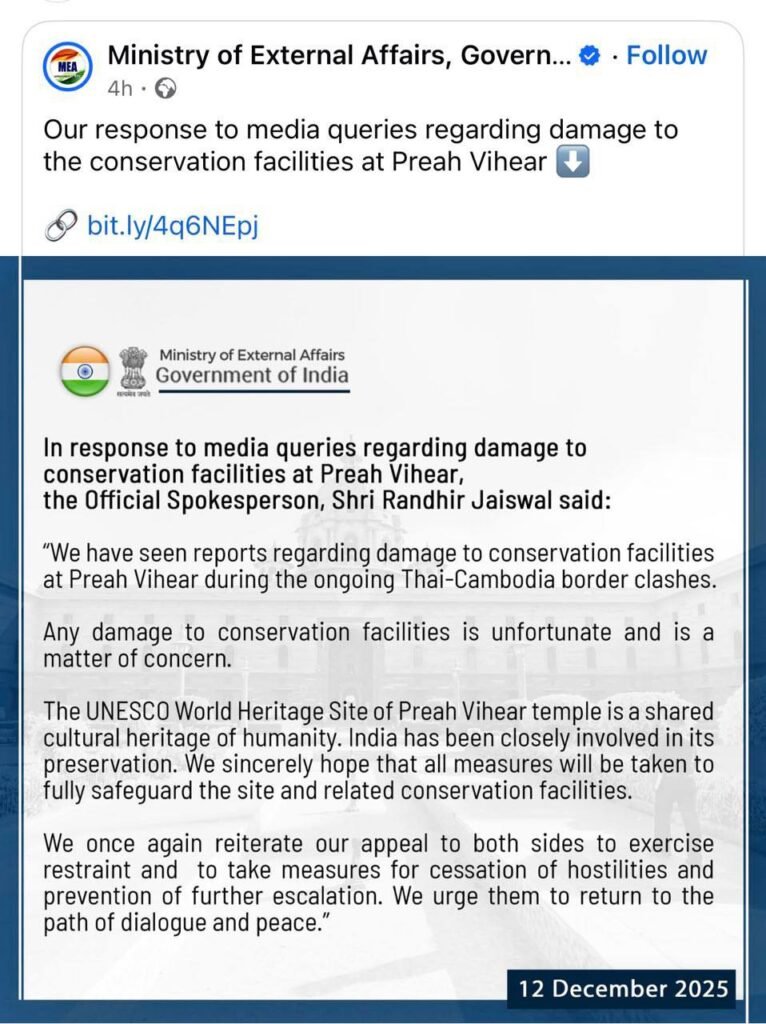
The clash has not only affected people. It has also harmed places that carry historical and cultural value. Reports of damage near the Preah Vihear Temple conservation area were particularly painful to hear. This site represents centuries of heritage work and international cooperation. When such a place is touched by conflict, the loss is felt far beyond Cambodia’s borders.
Cambodia’s Position: Let Evidence Speak, Let Dialogue Lead
Throughout this period, Cambodia has not responded with anger. Instead, the government took a position rooted in calm and clarity. To avoid unnecessary accusations, Prime Minister Hun Manet suggested using satellite imagery to verify which side initiated the December 7 incident. It is a straightforward proposal: rely on the truth that technology can show us, and let that guide the next steps.
This offer reflects confidence. It also shows Cambodia’s willingness to resolve matters through evidence, not emotion. Peace cannot grow if facts are unclear.
The Role of ASEAN and International Partners
President Trump’s involvement demonstrated how seriously the situation is viewed by global partners. Malaysia, as ASEAN Chair, also expressed strong readiness to help bring both sides back into stable dialogue. In moments of tension, these gestures matter. They show that the region is not alone and that the international community still believes in the value of diplomacy in Southeast Asia.
Responsibility Cannot Be Paused
Internal political changes in any country do not remove its responsibilities toward civilians or neighbours. International obligations do not pause because a parliament dissolves or officials shift roles. A ceasefire must be upheld regardless of domestic political timing. This is not about assigning blame; it is about ensuring that commitments made at the highest level are honoured on the ground.
The Broader Impact on Our Region
This is not just a border issue. It touches trade routes, border markets, tourism, investment, and even cultural conservation projects. When fighting reaches deeper areas, the shockwaves spread across many sectors. ASEAN has built its reputation on predictability. If that foundation weakens, the consequences extend far beyond the immediate conflict.
Cambodia believes that peace serves everyone—neighbours, businesses, workers, and families. Conflict serves no one.
Steps Cambodia Urges for Immediate Stability
To return to peace, Cambodia calls for clear and simple steps:
End all military activity immediately.
Ensure direct communication between authorities on both sides.
Use independent verification tools to establish what triggered the escalation.
Protect civilians and provide for displaced families.
Avoid military actions anywhere near populated or culturally sensitive areas.
Rely on ASEAN mechanisms to guide the resolution process.
Cambodia is ready to work alongside partners and neighbours to put these steps into practice.
A Message From Cambodia to the Region and the World
The people living along the Cambodia–Thailand border have a long history of sharing culture, trade, and relationships. Many have relatives across the boundary. They deserve a life without sudden evacuations or fear. Whatever differences exist between governments, the safety of civilians must remain the first priority.
Cambodia’s appeal is simple: let us put people first, let us protect lives, and let us return to dialogue.
Looking Ahead
This moment is difficult, but not hopeless. The ceasefire agreement, the willingness to verify evidence, and ASEAN’s active involvement give us a roadmap. What we need now is commitment—steady, responsible, and sincere.
Peace is not something announced once. It is something we must keep choosing, again and again, especially when it is hardest to do so.
Cambodia stands ready to choose it.